Pile foundations are designed to transfer structural loads safely into deeper, more stable soil layers. However, when design, installation, or site conditions are not properly evaluated, pile foundation failure can occur, leading to costly repairs, project delays, and safety concerns.
One of the most common root causes of pile foundation failure is inadequate or inaccurate geotechnical investigation. Without a thorough understanding of subsurface conditions, engineers may overestimate soil variability, groundwater conditions, or load-bearing capacity. As a result, even though piles are installed or made with good workmanship and quality, they may not perform as intended under structural loads and pose potential risks.
On the other hand, when engineers underestimate soil conditions, it can result in over-designing of foundations, which can be very costly and time-consuming.
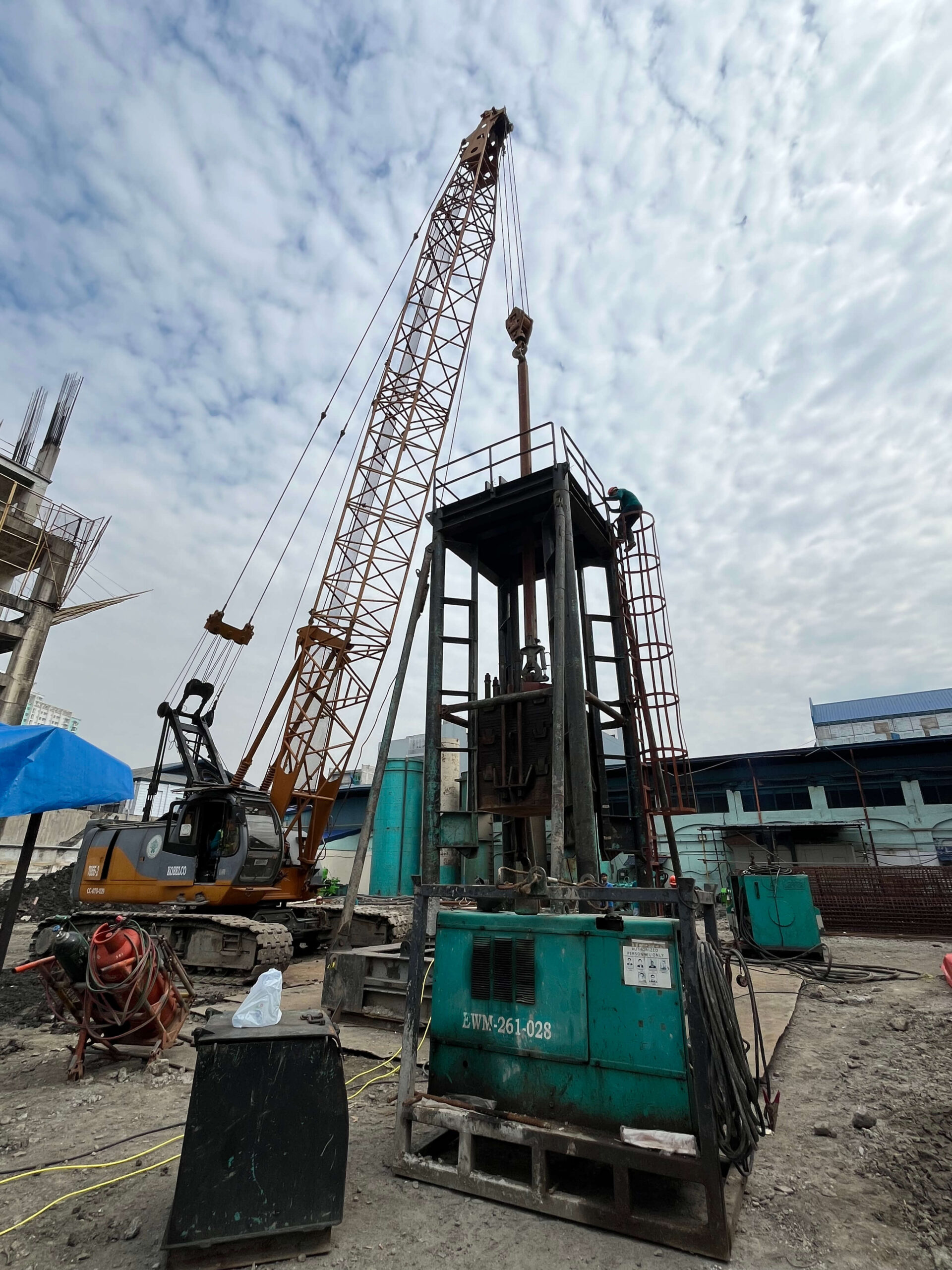
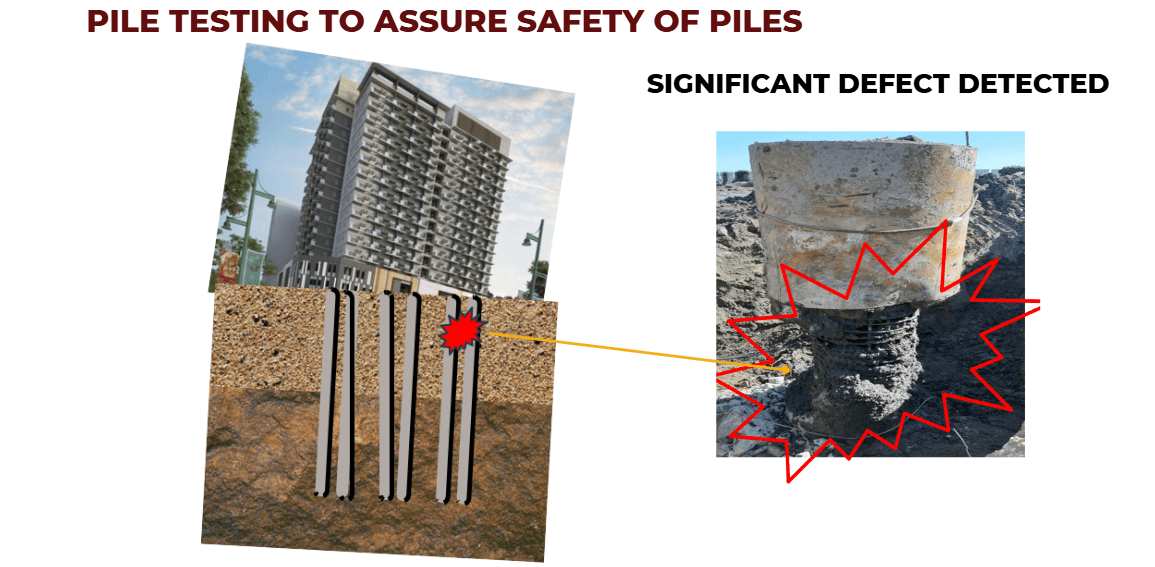
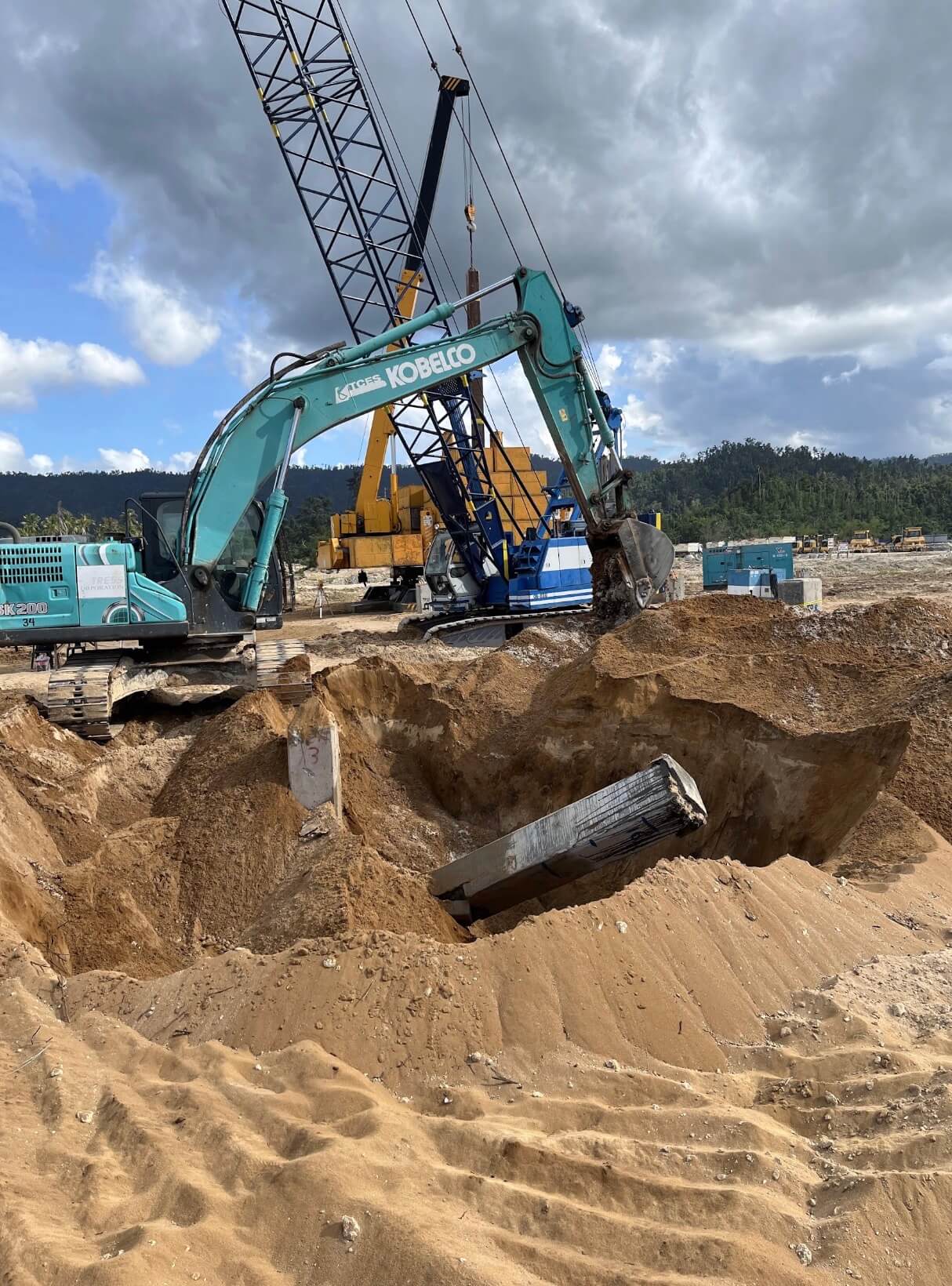
Poor installation practices can also contribute to foundation issues. Misalignment, insufficient embedment depth, damage during pile driving (for driven piles), or poor construction methodology (for bored piles) may reduce the pile’s ability to support the structure. In some cases, construction defects remain hidden until significant settlement or structural distress becomes apparent.
Another factor, although uncommon, is overloading. When actual loads exceed the design assumptions, excessive settlement or pile failure may occur. Changes in building use, additional structural loads, or inaccurate load calculations can increase this risk.
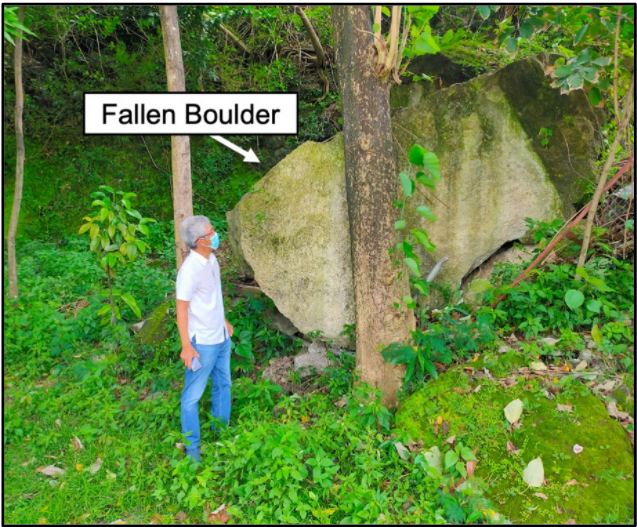
Environmental factors such as soil erosion, scour, and especially seismic activity may also affect long-term pile performance. These conditions can weaken soil support and compromise foundation stability over time.
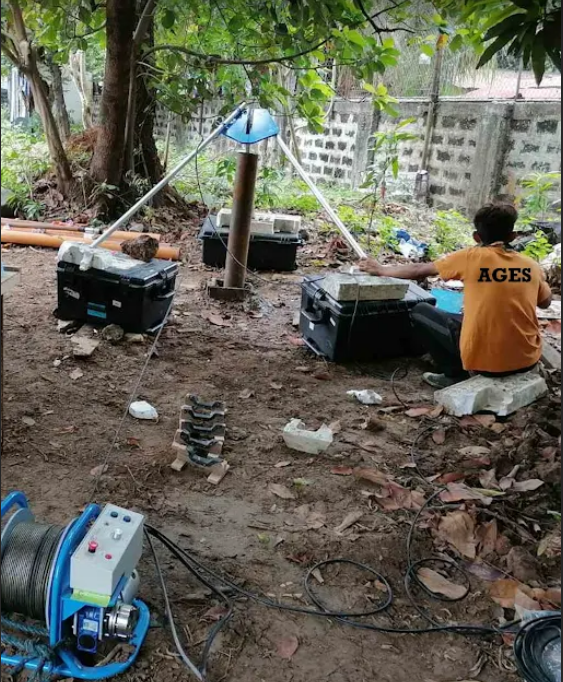
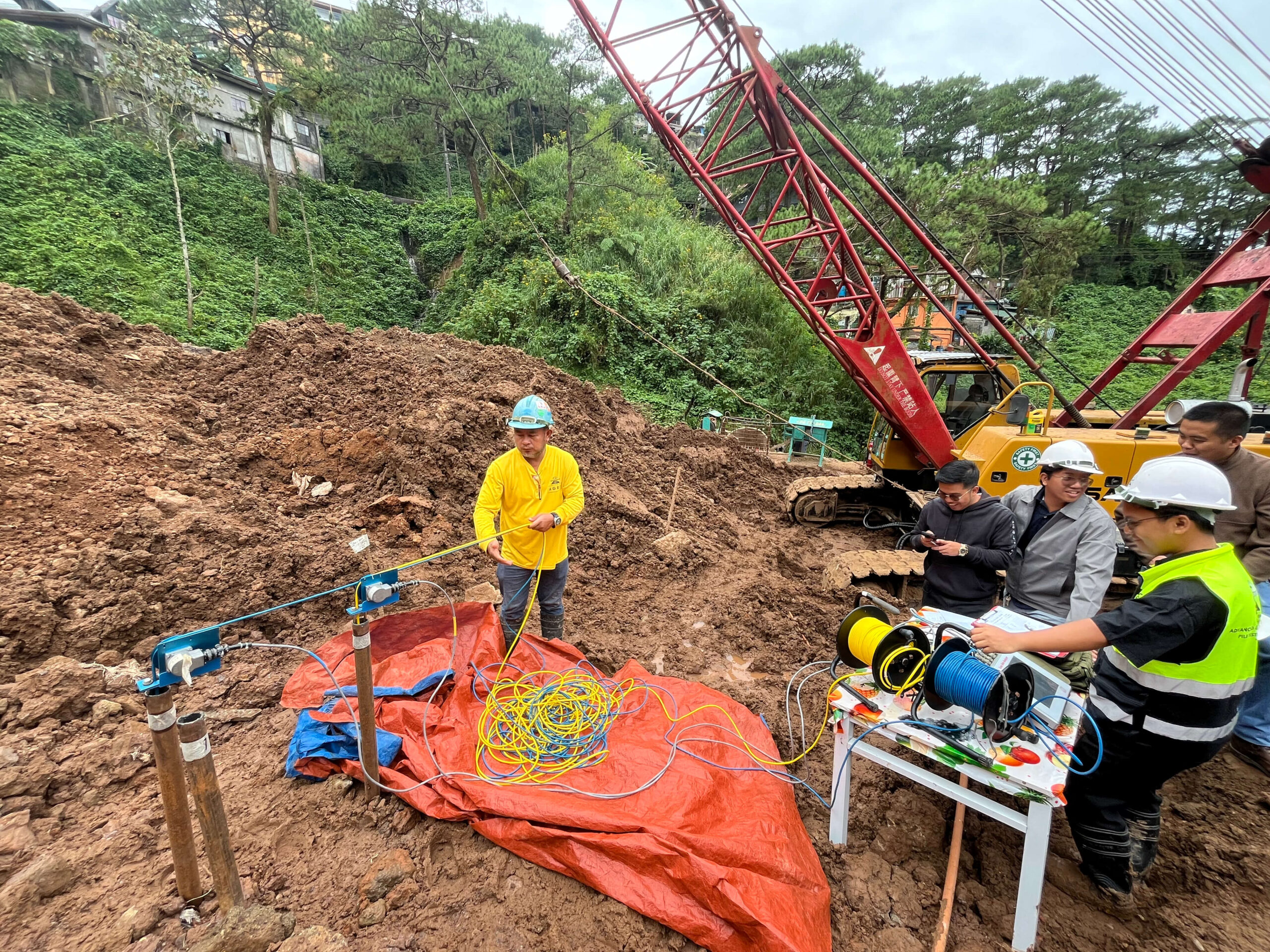
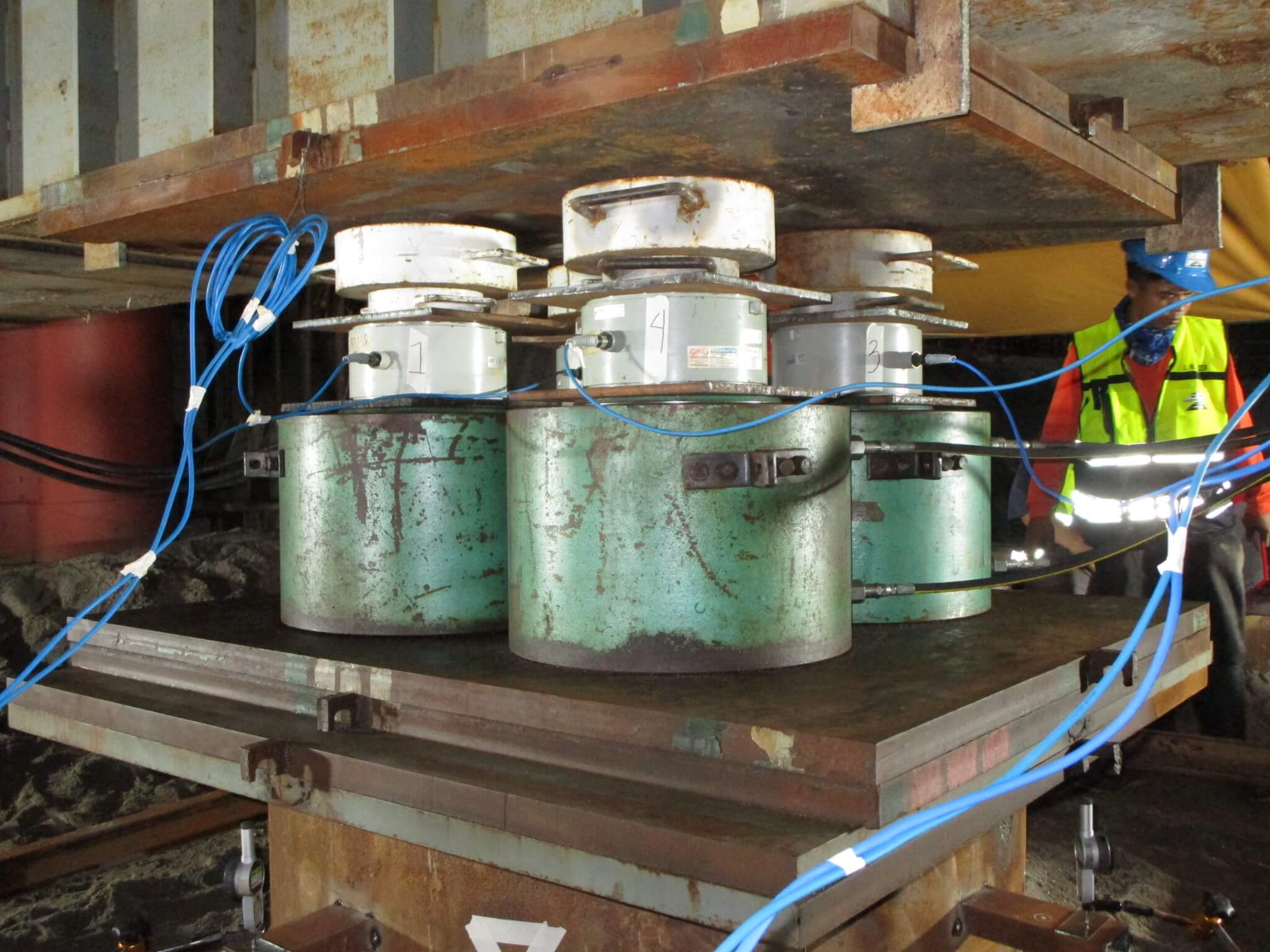
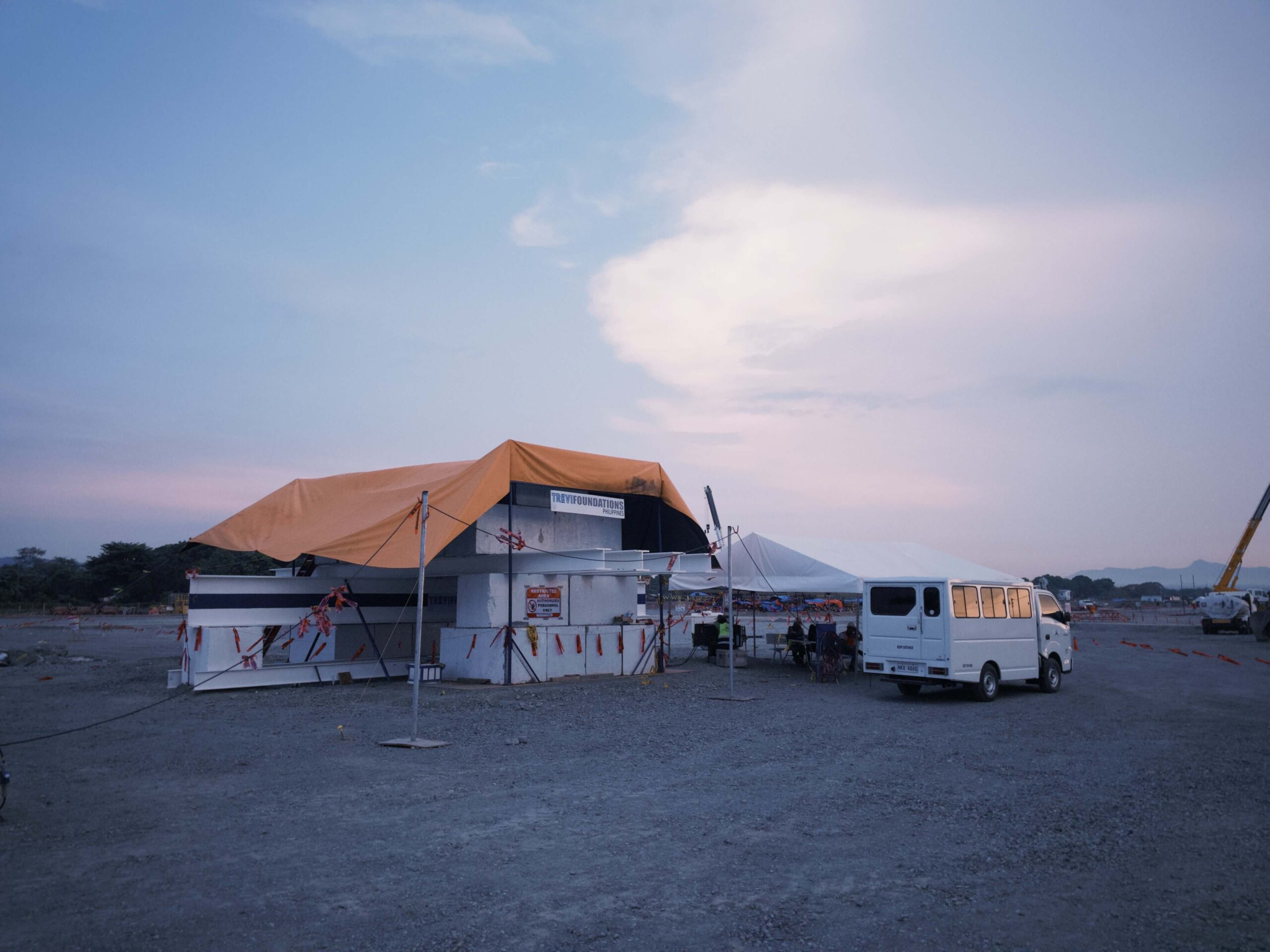
To minimize these risks, engineers rely on pile testing methods such as dynamic pile testing (PDA) , pile integrity testing (PIT), static load testing (SLT), and crosshole sonic logging (CSL) or ultrasonic testing. These assessments help verify pile capacity, identify potential defects, and confirm compliance with project requirements.
By combining proper site investigation, quality construction practices, and comprehensive pile testing, project teams can significantly reduce the likelihood of foundation failure and improve the long-term performance of critical structures.