Construction projects involve many moving parts, but some of the most significant risks can begin before a structure even takes shape. Foundation problems can lead to delays, additional costs, and difficult corrective work, making proper verification an important part of the construction process. This is where pile testing can provide valuable support.
Pile testing helps project teams assess whether installed foundation piles are performing according to design expectations. Depending on the project's requirements, different testing methods can be used to evaluate pile capacity, structural condition, and concrete quality.
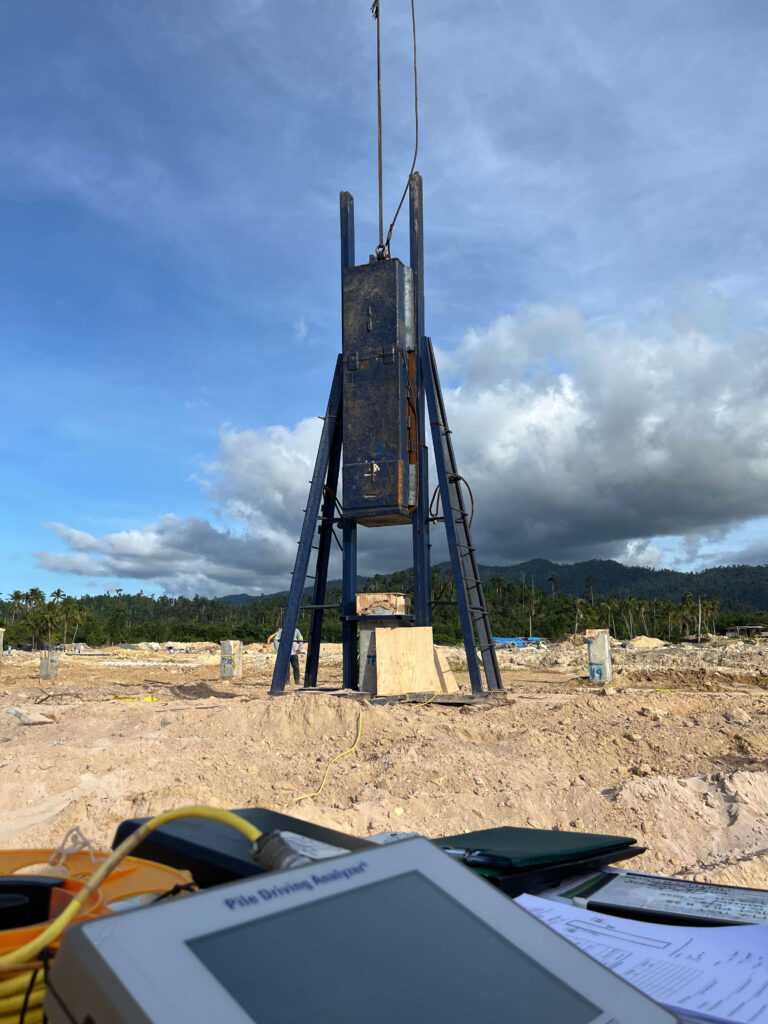
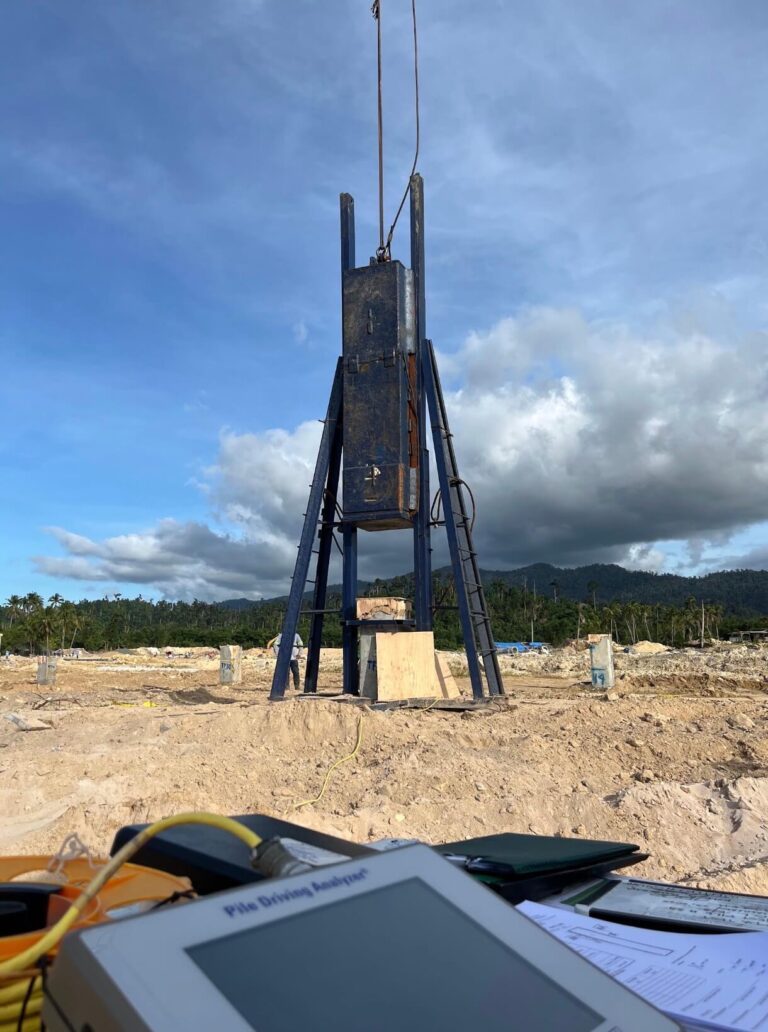
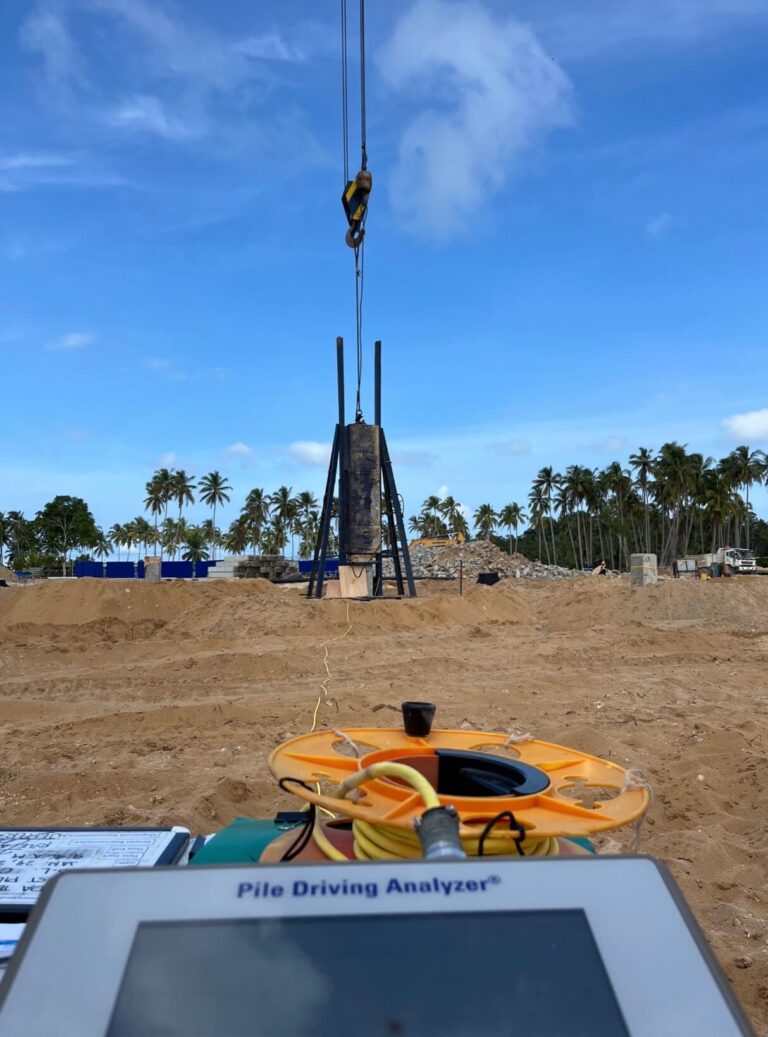
Dynamic Pile or Pile Dynamic (PDA) Analysis is commonly used to assess pile capacity during installation. The results can provide useful information about pile behavior and driving performance. Because testing can be carried out relatively quickly, it can also help project teams identify potential concerns without significantly disrupting construction activities.
For projects requiring direct verification of pile performance, static load testing can provide information on how a pile responds to controlled loading. Meanwhile, low strain pile integrity testing can help identify possible defects or discontinuities within installed piles.
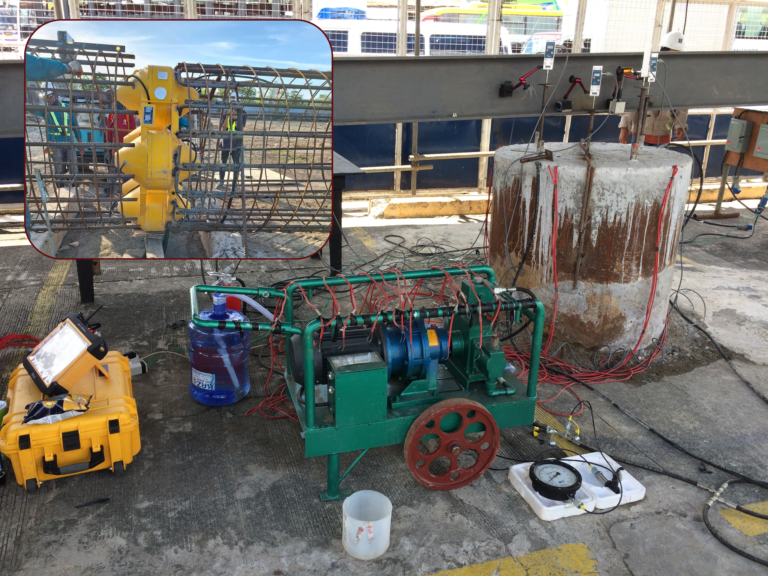
For bored pile foundations, additional methods such as the crosshole sonic logging test or ultrasonic test may be used to assess concrete quality within the pile. These methods can provide another layer of quality assurance where internal conditions cannot be easily evaluated through visual inspection.
No testing method can eliminate every construction risk, but appropriate foundation testing can help reduce uncertainty and provide project teams with better information for decision-making.
With the right testing program, developers and contractors can address potential foundation concerns earlier, support quality control, and move forward with greater confidence. AGES provides specialized pile testing services designed to support construction projects across the Philippines.
For property developers, foundation performance directly affects project safety, construction timelines, and long-term investment value. One of the most effective ways to reduce construction risks is through comprehensive pile testing, which verifies that foundation piles meet the required design capacity before structures are completed.
Many developers assume that a well-designed foundation guarantees performance. However, actual site conditions often vary from initial assumptions, making verification through testing essential. Dynamic pile testing( also known as the Pile Dynamic Analysis or PDA Test ) offers a fast and efficient way to assess pile capacity during and provides valuable engineering data that supports quality control without significantly delaying construction.
When projects require the highest level of verification, static load testing remains the preferred method for confirming actual pile behavior under applied loads. Although it requires additional preparation, it delivers highly reliable results that help engineers validate foundation design.
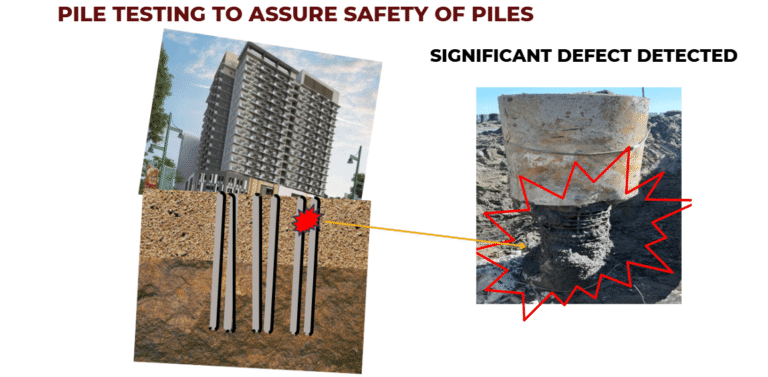
Beyond load capacity, structural integrity is equally important. Pile integrity testing identifies cracks, voids, necking, and other hidden defects that could affect long-term performance. For larger bored pile projects, specialized methods such as the crosshole sonic logging test or ultrasonic test evaluate concrete quality throughout the pile shaft, allowing engineers to detect internal anomalies before they become serious structural concerns.
Investing in proper pile testing offers benefits beyond regulatory compliance. Early identification of foundation issues minimizes costly rework, reduces project delays, and strengthens confidence among contractors, consultants, and future property owners.
Partnering with an experienced testing provider ensures that developers receive accurate data, expert interpretation, and practical recommendations tailored to each project’s ground conditions. Comprehensive pile testing ultimately supports safer construction, better project outcomes, and greater long-term value.
Every successful structure begins with a thorough understanding of the ground beneath it. Soil composition, groundwater levels, and subsurface variability all influence how a foundation behaves over time. Without proper investigation and pile testing, unexpected ground conditions can lead to excessive settlement, structural movement, and costly repairs.
Different soil types respond differently under structural loads. Soft clay may compress significantly, loose sand may experience settlement, while dense rock provides greater support. Because no two project sites are identical, geotechnical investigation plays a vital role in determining the most suitable foundation design.
Once foundation piles are installed, pile integrity testing helps verify that each pile remains structurally sound and free from defects caused during installation. Engineers may also perform dynamic pile testing together with CAPWAP analysis to evaluate pile capacity while monitoring driving stresses in real time. These methods provide valuable information that supports quality assurance during construction.
For projects requiring more comprehensive verification, static load testing directly measures the pile’s response under controlled loading conditions, confirming its load-bearing performance. In deep foundations such as bored piles, advanced evaluation methods like the crosshole sonic logging test and ultrasonic test can identify internal concrete defects that could affect long-term durability.
Ground conditions can also change due to seasonal moisture variation, groundwater fluctuations, or nearby construction activities. Continuous evaluation and appropriate testing help engineers adapt foundation designs to actual site conditions rather than assumptions.
By combining detailed geotechnical investigation with reliable pile testing methods, developers can reduce construction risks, improve foundation performance, and ensure compliance with engineering standards. Investing in proper site assessment ultimately contributes to safer, longer-lasting structures.
Selecting the appropriate pile testing method is essential for ensuring the safety, stability, and long-term performance of any foundation system. Every construction project has unique site conditions, structural requirements, and budget considerations, making it important to choose the testing approach that best matches the project’s needs.
One of the most commonly used methods is dynamic pile testing, which evaluates pile capacity by measuring the pile’s response to controlled hammer impacts. This method is efficient, cost-effective, and ideal for projects requiring rapid verification during pile installation. Engineers can estimate load-bearing capacity while monitoring driving stresses and pile integrity.
For projects requiring direct measurement of load capacity, static load testing remains the industry benchmark. Although it requires more time and preparation, it provides highly accurate data on pile settlement and ultimate capacity, making it suitable for critical infrastructure and high-rise developments.
To assess structural defects without applying significant loads, pile integrity testing is often recommended. This non-destructive method helps detect cracks, voids, necking, or other discontinuities that may compromise foundation performance after installation.
In specialized projects involving bored piles or deep foundations, advanced methods such as the crosshole sonic logging test and ultrasonic test can further evaluate the quality of concrete throughout the pile shaft. These tests help identify hidden defects that may not be visible through conventional inspection methods.
Choosing the right testing method depends on several factors, including soil conditions, project complexity, construction schedule, and engineering requirements. Working with experienced geotechnical professionals ensures that the appropriate combination of testing methods is selected to provide accurate results and minimize construction risks.
AGES provides comprehensive pile testing solutions tailored to project requirements, helping clients achieve safe, reliable, and code-compliant foundation systems.
Driven piles are widely used in construction because of their ability to provide reliable support for buildings, bridges, ports, and other infrastructure projects. While the installation process is generally efficient, several challenges may arise in the field that require careful evaluation and engineering expertise. Recognizing these conditions early helps maintain construction quality and supports long-term foundation performance.
One common challenge is pile refusal, where a pile reaches a point of very high driving resistance before achieving the intended design depth. Although refusal may indicate that a competent bearing layer has been reached, it can also result from underground obstructions or unexpected soil conditions. Engineers must evaluate driving records and site data before determining the appropriate course of action. Refusal may also be due to the driving or pressing quality of the hammer/machine being used.
Another issue is pile heave, which occurs when the installation of new piles causes nearby piles to move sideways and upward due to soil displacement. This phenomenon is more likely in cohesive soils and may affect previously installed foundations if not properly monitored. It may also affect neighboring buildings, which may cause major disputes.
Maintaining proper pile alignment is equally important. Misaligned piles may reduce the efficiency of load transfer and complicate the construction of pile caps or other structural elements. Continuous surveying and quality control help ensure piles remain within acceptable tolerances throughout installation.
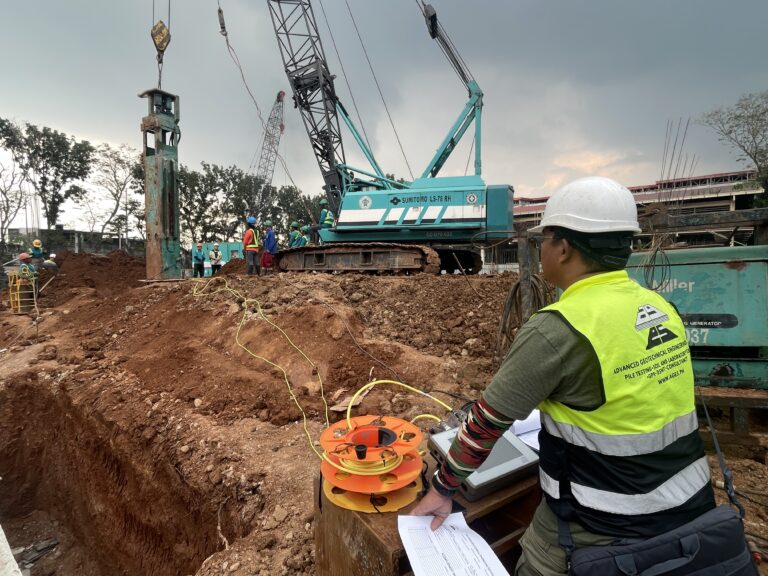
Excessive hammer energy can also create problems. Overdriving may damage the pile through cracking or crushing, while insufficient driving energy can result in inadequate penetration (false or early refusal) and reduced load-bearing capacity. Selecting the appropriate hammer and monitoring driving performance are essential to achieving the desired installation outcomes. A PDA monitoring test helps to identify the appropriateness of the hammer and also the soil capacity characteristics while the pile is being driven. Ideally, a wave equation analysis GRLWEAP may be done before installation of the piles so that the available hammer can be checked before mobilization at the site and see if this is really appropriate to drive the piles given the site soil conditions.
To verify that installed piles meet project requirements, engineers often perform Dynamic Pile Testing or Pile Dynamic Analysis Test (PDA) and, where necessary, Static Load Testing. These methods help evaluate pile capacity, driving performance, and overall foundation behavior, providing confidence that the installed piles can safely support the intended structure.
Successful driven pile installation depends on more than simply reaching the required depth. Through careful planning, experienced field supervision, and comprehensive pile testing, engineers can overcome installation challenges and deliver safe, reliable foundation systems for a wide range of construction projects.
The performance of a bored pile depends not only on its design but also on the quality of its construction. Even when proper procedures are followed, variations in the site conditions, workmanship, or concrete placement can sometimes result in defects that affect foundation performance. Identifying these issues early is an important part of quality assurance for deep foundation systems.
One of the most common defects is necking, where portions of the pile have a reduced cross-sectional area due to soil contamination movement, inadequate concrete placement, or construction interruptions. This reduction may decrease the pile’s load-carrying capacity.
Another potential issue is concrete segregation, which occurs when the concrete’s components separate during placement. Segregation can create weak zones within the pile and compromise its structural integrity.
Engineers also monitor for voids, soil inclusions, and honeycombing, all of which may develop if excavation stability is lost or if concrete placement is interrupted. Misalignment of the reinforcement cage or improper positioning during installation may also affect the overall performance of the foundation.
Because these defects are often concealed within the completed pile, visual inspection alone is not sufficient. Instead, engineers rely on specialized destructive and non-destructive testing methods to evaluate pile quality.
Pile Integrity Testing (PIT) uses low-strain stress waves to assess pile continuity and identify possible defects along the pile shaft. For larger bored piles, Crosshole Sonic Logging (CSL) provides additional information by transmitting ultrasonic waves between access tubes embedded within the concrete, allowing engineers to detect internal anomalies such as voids or poorly consolidated concrete. While the Pile Dynamic Analysis (PDA) is a destructive testing, with proper testing procedures it does not really damage the pile while getting information about the pile capacity and also the integrity.
By combining proper construction practices with advanced testing methods, engineers can identify potential concerns before they affect the performance of the completed structure. This proactive approach supports safer construction, reduces the likelihood of costly remedial work, and helps ensure that foundation systems meet project requirements.
Bored piles are one of the most widely used deep foundation systems for high-rise buildings, bridges, commercial developments, and other large infrastructure projects. Their ability to support substantial structural loads while minimizing vibration makes them particularly suitable for construction in urban environments and locations near existing structures.
Although the finished foundation is hidden from view, the construction process requires careful planning, precision, and quality control at every stage.
The process begins with geotechnical investigation, where engineers evaluate soil conditions, groundwater levels, and other subsurface characteristics to determine the appropriate pile dimensions and installation method.
Once the foundation layout has been established, drilling equipment excavates a borehole to the required depth. Depending on the ground conditions, temporary casing or drilling slurry may be used to stabilize the excavation and prevent soil collapse during construction.
After reaching the design depth, the borehole is cleaned to remove loose material before a prefabricated reinforcement is essential to ensure the structural integrity of the completed pile.
Concrete is then placed using a tremie pipe, allowing continuous placement from the bottom of the borehole upward. This technique minimizes segregation and helps produce a uniform concrete pile even below the groundwater table.
Throughout construction, engineers implement quality assurance procedures to verify that each stage meets project specifications. Upon completion, specialized testing methods such as Pile Dynamic Analysis (PDA), Low strain Integrity Testing (PIT), and Crosshole Sonic Logging (CSL) may be performed and normally in combination to evaluate the condition of the completed pile and detect any potential anomalies.
By following a systematic construction process supported by proper testing and engineering oversight, bored piles provide reliable foundation solutions capable of supporting some of today’s most demanding construction projects.
Driven piles are among the most widely used foundation systems in modern construction. Their ability to transfer structural loads to deeper, more competent soil layers makes them an effective solution for buildings, bridges, ports, and heavy infrastructure. However, achieving reliable performance depends not only on proper installation.
The process begins by positioning a prefabricated pile at its designated location using specialized lifting equipment. Depending on project requirements, piles may be constructed from reinforced concrete, steel, timber, or composite materials.
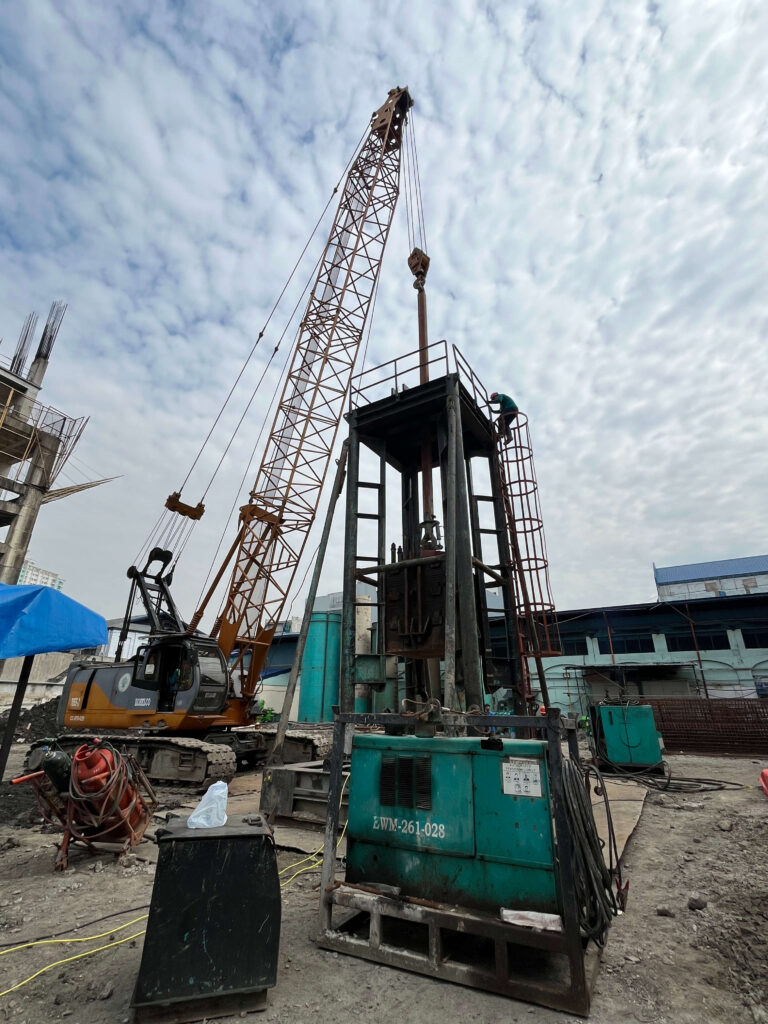
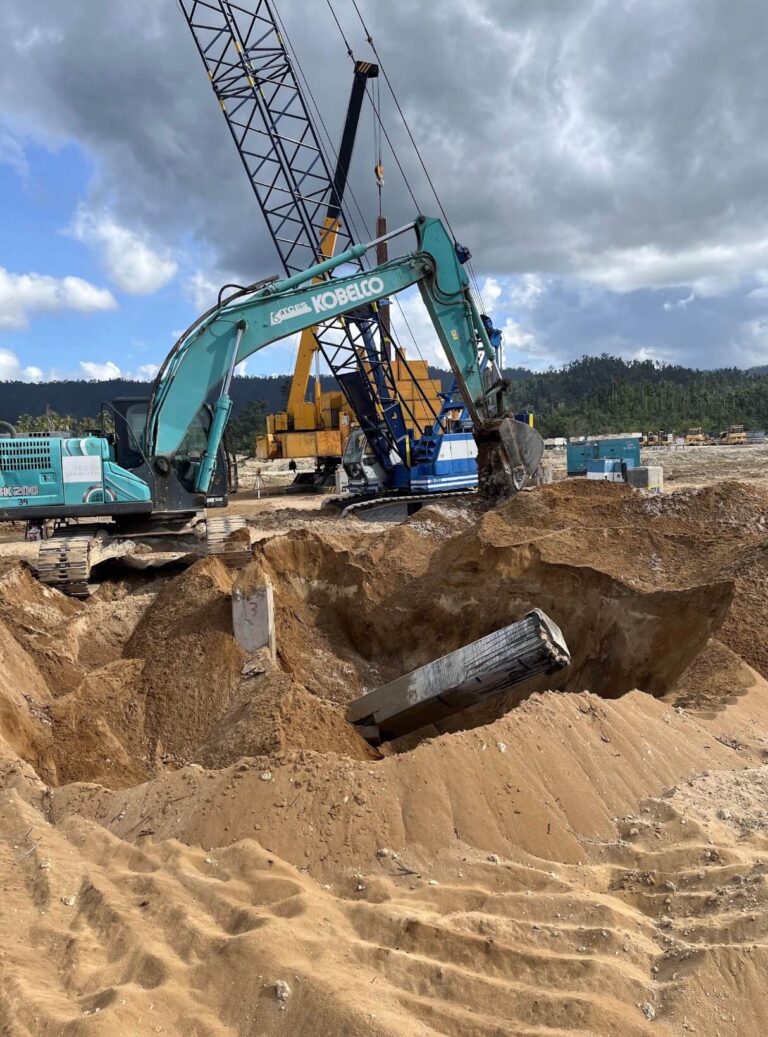
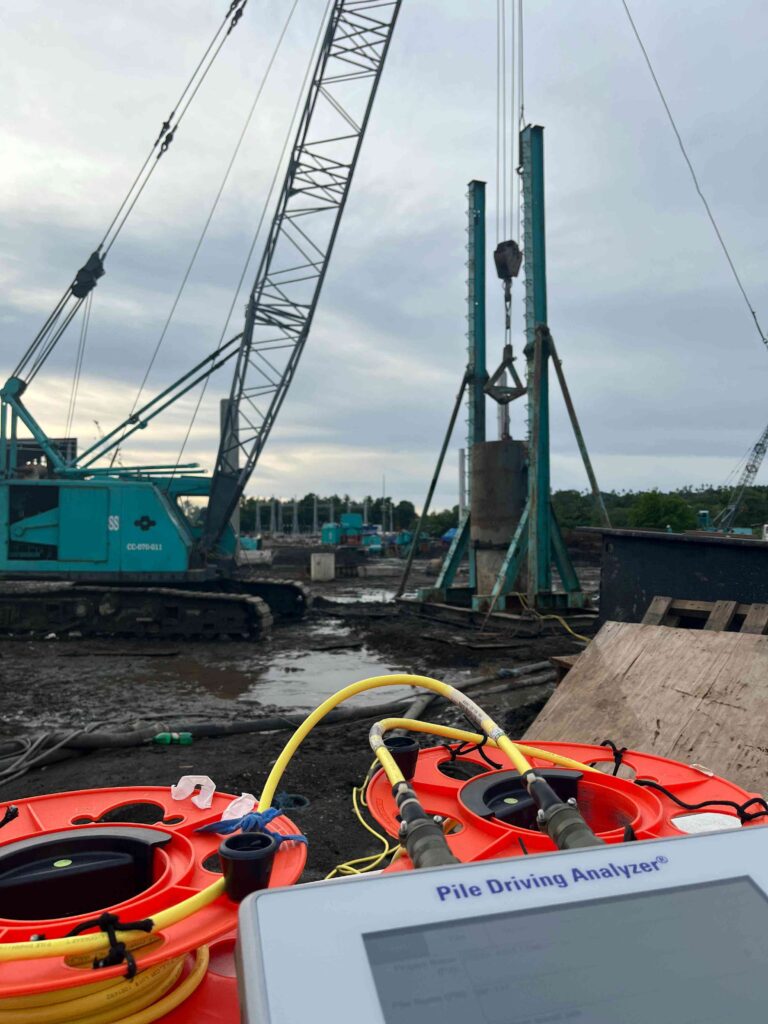
Once aligned, a pile-driving hammer (diesel, hydraulic, or impact hammer) is used to drive the pile into the ground. During installation, engineers ideally closely monitor penetration resistance, hammer energy, pile alignment, and driving records to verify that pile is advancing as expected. The Pile Dynamic Analyzer or PDA machine is an excellent tool to use for these and the process of such is commonly called PDA monitoring tests which monitors the piles as they are being driven or installed.
Several challenges may arise throughout installation. Dense soil layers, underground obstructions, excessive driving resistance, pile heave, or improper alignment can affect installation quality and require engineering evaluation. Careful monitoring allows project teams to identify these conditions early and implement appropriate corrective measures.
After installation, pile testing again plays an important role in confirming foundation performance. Pile Dynamic Analysis (PDA) helps estimate load-bearing capacity and evaluates how the pile behaved during driving. Depending on project specifications, Static Load Testing may also beperformed directly verify pile capacity.
Successful driven pile installation requires more than simply placing piles into the ground. It involved proper planning, skilled execution, continuous monitoring, and comprehensive testing to ensure that every foundation element performs according to design.
When combined with sound geotechnical investigation and quality assurance procedures in pile testing (PDA and PIT), driven pile installation contributes to safe, durable, and reliable foundations capable of supporting today’s most demanding infrastructure projects.
Selecting the appropriate deep foundation system is one of the most important decisions during the planning phase of a construction project. Among the most commonly used solutions are driven piles and bored piles, each offering distinct advantages depending on site conditions, structural requirements, and construction constraints.
Driven piles are prefabricated structural elements made of concrete, steel, timber, or composite materials that are installed by driving them into the ground using specialized equipment. Because they displace the surrounding soil during installation, driven piles can often achieve high load capacities and are well suited for projects requiring rapid installation. They are commonly used for bridges, ports, industrial facilities, and marine structures. Since they also displace the soil, projects have to be cautious about and consider neighboring properties which might be affected from the movement of the ground due to the installation of the driven piles.
Bored piles, on the other hand, are constructed by drilling a hole into the ground before placing reinforcement and pouring concrete in situ. This method produces minimal vibration and noise, making bored piles a preferred choice for projects in densely populated urban environments or locations near existing structures. Bored piles also do not displace the ground and normally does not disturb the ground of neighboring structures.
The choice between driven piles and bored piles depends on several factors, including soil conditions, groundwater levels, available working space, environmental considerations, and project specifications. While driven piles may offer faster installation, bored piles provide greater flexibility for large-diameter foundations and sites with vibration restrictions.
Regardless of the selected foundation system, proper quality assurance remains essential. Geotechnical investigations provide engineers with the information needed to design suitable foundations, while pile testing methods such as Pile Dynamic Analysis (PDA), Pile Integrity Testing (PIT), Crosshole Sonic Logging (CSL), and Static Load Testing verify that installed piles meet design requirements.
Understanding the strengths and limitations of each system allows engineers to select the most appropriate foundation solution, helping improve safety, optimize construction, and support the long-term performance of every project.
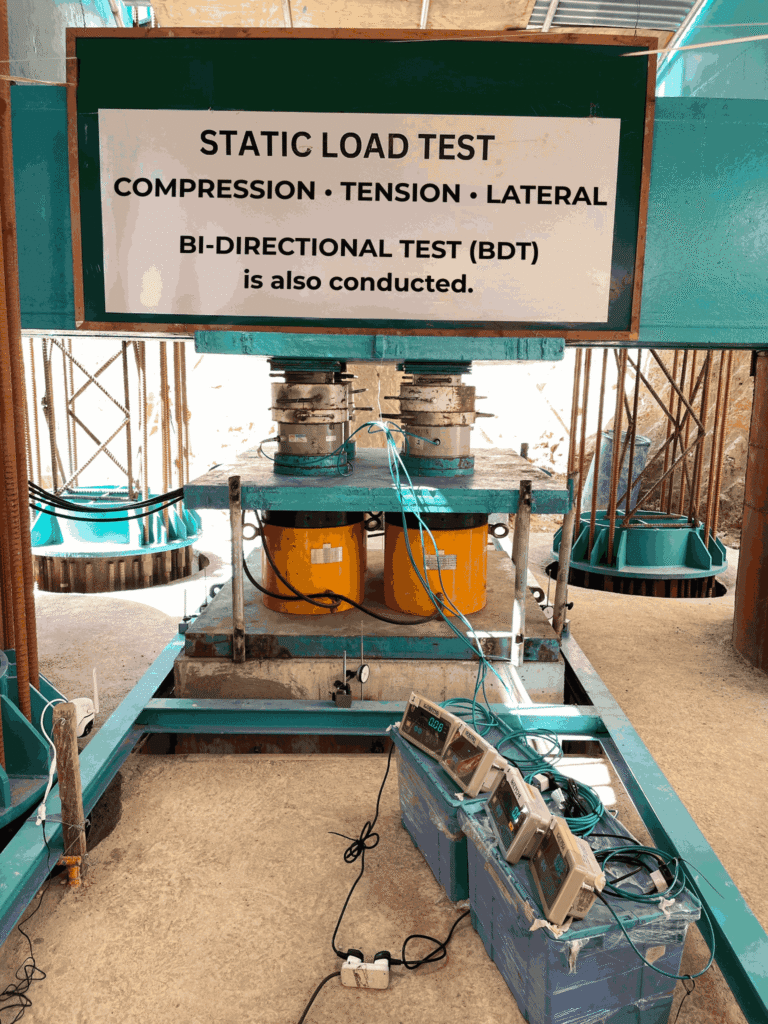
Before a foundation can support a building, bridge, or major infrastructure project, engineers must confirm that it can safely carry the loads for which it was designed. One of the most trusted methods for verifying this is static load testing (SLT). Static load testing for compression has ASTM 1143, lateral has ASTM 3966, and tension or pullout has ASTM 3689.
Static load testing is a field procedure used to evaluate the load-bearing capacity and settlement behavior of foundation piles. Often regarded as the industry benchmark for pile capacity verification, the test provides direct measurements of how a pile responds when subjected to controlled loading conditions.
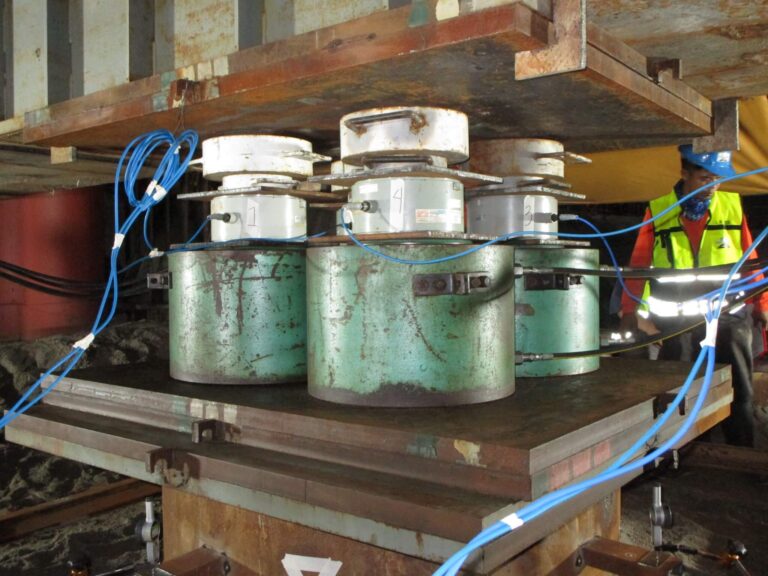
The process begins with the installation of a test pile and a reaction system capable of resisting the applied load. Hydraulic jacks gradually apply force to the pile in predetermined increments while precision instruments monitor movement and settlement. At each loading stage, engineers record displacement data to evaluate how the foundation performs under increasing loads.
Once testing is complete, the collected data is analyzed to determine whether the pile satisfies the project’s design requirements. The results also provide valuable information that can be used to validate design assumptions and optimize future foundation work.
SLT is commonly performed on high-rise buildings, bridges, ports, industrial facilities, and other projects where foundation performance is critical. It is particularly beneficial for developments with challenging soil conditions or stringent engineering specifications.
Although the procedure requires more preparation than some other pile testing methods, its ability to directly measure pile behavior makes it one of the most reliable forms of foundation testing available. In many projects, SLT is complemented by PDA and PIT to provide a comprehensive assessment of foundation performance.
By verifying pile capacity before construction progresses, SLT helps engineers reduce uncertainty, improve safety, and build with greater confidence.
Consistency is essential in engineering, particularly when evaluating the performance of foundation systems. To promote reliable testing practices, engineers follow internationally recognized standards developed by ASTM International.
ASTM standards establish uniform procedures for conducting, interpreting, and documenting various pile testing methods. By following standardized practices, engineers can produce consistent results while meeting project specifications and regulatory requirements.
One of the most widely referenced standards is ASTM D4945, which outlines procedures for high-strain dynamic pile testing. This standard provides guidance for performing Pile Dynamic Analysis (PDA) to estimate pile capacity, pile integrity, and even evaluate driving performance plus hammer efficiency.
For low-strain integrity assessments, engineers commonly refer to ASTM D5882 as the standard covering Pile Integrity Testing (PIT). This method is used to detect potential discontinuities or defects within concrete foundation piles.
For another type of pile integrity testing method commonly used in bored piles, the Crosshole Sonic Logging Test or Ultrasonic test with ASTM 6760 uses access tubes embedded within the pile where transceiver probes are placed as it scans the pile integrity along the length of the shaft. This may also be used in diaphragm walls and secant piles.
Static load testing for compression has ASTM 1143, lateral has ASTM 3966, and tension or pullout has ASTM 3689. The Static Load test, or SLT, is considered to be the gold standard for testing pile bearing capacity as it is a direct measurement.
The static load testing through the Bi-Directional Test or BDT has an ASTM 8169. This is an alternative to the conventional Compression SLT when test loads are large or when space constraints are challenging.
Other ASTM standards may be applied depending on project requirements, material properties, and testing objectives. These documents support quality assurance by establishing recognized methods for equipment calibration, field procedures, and data interpretation.
Following ASTM standards benefits everyone involved in construction, from construction project owners and consultants to contractors and regulatory agencies. Standardized testing improves confidence in engineering decisions, facilitates communication among stakeholders, and promotes consistent evaluation of foundation performance.
Not every construction site offers ideal ground conditions. When surface soils cannot safely support the weight of a structure, engineers turn to deep foundation systems to provide the stability required for long-term performance.
Unlike shallow foundations, which distribute loads near the ground surface, deep foundations transfer structural loads to stronger soil or rock located at greater depths. This approach minimizes settlement and improves the ability of buildings and infrastructure to withstand demanding site conditions.
Among the most common types of deep foundations are driven piles, bored piles or drilled shafts. The selection of a suitable system depends on several factors, including soil characteristics, groundwater conditions, structural loads, and project requirements.
Deep foundation systems are widely used in high-rise buildings, bridges, ports, industrial facilities, and large commercial developments. They are particularly valuable in areas with soft or compressible soils where shallow foundations may not provide adequate support.
To verify that these foundation elements perform as intended, engineers often conduct pile testing throughout the construction process. Methods such as Pile Dynamic Analysis (PDA), Static Load Testing (SLT), and Pile Integrity Testing (PIT) provide valuable information regarding load capacity, structural condition, and installation quality.
A successful deep foundation system begins with proper planning. Through geotechnical investigation, engineering analysis, and foundation testing, project teams can develop solutions that balance safety, efficiency, and long-term structural reliability.
As modern construction projects continue to increase in complexity, deep foundation systems remain an essential component of safe and resilient infrastructure.
Foundation issues are often hidden beneath the surface, making early evaluation essential for successful construction projects. Foundation testing helps engineers assess site conditions, verify structural performance, and identify potential risks before they become costly problems.
One common indicator is challenging soil conditions. Sites with soft soils, reclaimed land, high groundwater levels, or significant soil variability often require additional or rigorous foundations testing to confirm suitability, especially when deeper foundations are used such as piles.
Large or heavily loaded structures may also benefit from foundation testing when using piles. High-rise buildings, bridges, ports, industrial facilities, and major infrastructure projects place significant demands on their foundations, making foundation performance verification particularly important.
Projects involving unfamiliar site conditions should also be carefully evaluated. If limited geotechnical data is available, early pile testing with test piles can provide valuable information to support engineering decisions and reduce uncertainty.
Another sign is the presence of strict regulatory or project specifications. Many, if not all local, developments require pile testing or foundation verification as part of quality assurance and compliance procedures.
Finally, foundation testing is often recommended when project stakeholders want greater confidence in long-term performance and value engineering as well to potentially optimize the design and unlock time and cost savings. Methods such as dynamic pile testing (PDA), pile integrity testing (PIT), static load testing (SLT), and crosshole sonic logging (CSL) can provide critical insights into foundation behavior and construction quality.
By identifying risks early and validating design assumptions, foundation testing helps improve safety, optimize construction processes, and support successful project outcomes. For many projects it can prevent significant issues in the future.
Foundation defects are impossible to detect through visual inspection alone. While a pile may appear structurally above ground, hidden imperfections within the concrete can affect its long-term performance. This is where the Low Strain Pile Integrity Testing (PIT) plays an important role.
Pile Integrity Testing (PIT) is a non-destructive method that evaluates the continuity and condition of concrete piles. By analyzing stress waves generated through a controlled impact, engineers can identify potential defects such as voids, cracks, necking, or changes in pile geometry without damaging the structure.
Early detection offers significant advantages. Identifying defects before construction progresses allows project teams to investigate issues, implement corrective measures, and avoid more extensive repairs later in the project lifecycle.
Beyond reducing repair costs, Pile Integrity Testing (PIT) also minimizes delays caused by unexpected foundation problems. Reliable test results provide engineers with greater confidence that installed piles meet project specifications and are capable of performing as intended.
Pile Integrity Testing (PIT) is commonly incorporated into quality assurance programs for commercial buildings, bridges, industrial developments, and public infrastructure. When combined with other evaluation methods such as Pile Dynamic Analysis (PDA) or Static Load Testing (SLT), it contributed to a more comprehensive understanding of foundation performance.
Investing in foundation testing during construction is often far more economical than addressing structural issues after a project has been completed. Through proactive quality control, project owners can improve safety, reduce financial risks, and support the long-term durability of their developments.
Modern construction projects often utilize multiple pile testing methods to evaluate foundation performance. Among the most commonly used techniques are Pile Dynamic Analysis (PDA), Pile Integrity Testing (PIT), and Crosshole Sonic Logging (CSL). While each method contributes valuable information, they serve different purposes.
PDA (Pile Dynamic Analysis)
PDA Testing evaluates both pile capacity and pile integrity. When impact hammers are used, hammer driving performance is also evaluated through the measurement of force and velocity during impact loading. Engineers commonly use this method to assess load-bearing capacity and installation effectiveness.
PIT (Pile Integrity Test) - Low Strain Integrity Testing
PIT is a low-strain integrity testing method used to identify potential defects within a pile. By analyzing stress wave reflections, engineers can detect cracks, voids, or changes in pile geometry that may affect structural performance. While It does not provide information about pile bearing capacity. However, it is the quickest integrity testing which may be practical if the project has hundreds or even thousands of piles to be tested.
CSL (Crosshole Sonic Logging)
While technically also a pile integrity test, Crosshole Sonic Logging is commonly called by its acronym CSL or “ultrasonic test”. One way to differentiate this from the Low Strain Integrity test (commonly called PIT) is to determine whether the pile to be tested with the integrity testing method has multiple steel tubes installed in the pile. Only cast in place piles, or those made at the site such as bored piles or diaphragm walls can be installed with the steel tubes and thus tested with this method. Pre-cast piles or those made in the factory and delivered at the site normally do not have steel tubes along the length of the pile and thus do not use this method. For precast piles /driven piles that are either circular or square concrete piles, the common method is the Low Strain Integrity Test or PIT.
The CSL test uses ultrasonic signals transmitted between access tubes embedded within concrete piles. This method helps evaluate internal concrete quality and identify anomalies such as voids or poorly consolidated sections. CSL is normally used for larger diameter and longer piles especially when the accuracy limitations of the Low strain Integrity Test (PIT) on these larger piles become more relevant.
Which Test is Best?
The answer depends on project objectives. PDA focuses on pile capacity, PIT evaluates pile integrity in the quickest manner, and CSL normally is the more accurate integrity testing method for larger and longer piles. Rather than competing methods, these testing techniques often compliment one another as part of a comprehensive foundation quality assurance program. They are normally used in combination and can also be used in a sudden situational sense when unexpected events transpire, causing doubt in the performance of the piles.
Selecting the appropriate testing method allows engineers to better understand foundation conditions and support long-term structural reliability.
Dynamic pile testing or Pile Dynamic Analysis (PDA) has become one of the most widely used methods for evaluating foundation performance. By using advanced instrumentation and wave analysis techniques, engineers can quickly assess pile behavior and verify design assumptions.
These are the five key benefits of dynamic pile testing:
Faster Results
Unlike other conventional testing methods such as the Static Load Testing, dynamic pile testing provides rapid insights into pile performance. This allows project teams to make timely decisions and keep construction schedules on track.
Cost Efficiency
Because the test requires less extensive setup than many traditional methods, dynamic pile testing can be a cost-effective solution for evaluating multiple piles across a project site.
Verification of Pile Capacity
Pile Dynamic Analysis (PDA) enables engineers to estimate load-bearing capacity and determine whether foundation elements meet project requirements.
Quality Control During Construction
Dynamic pile testing can identify installation-related or integrity concerns and help verify that piles have been driven or installed correctly.
Improved Project Confidence
Reliable testing data reduces uncertainty and supports informed engineering decisions. This can minimize risks associated with foundation performance and long-term structural stability. Since this is also quicker to conduct, more tests can be carried out providing more samples in the entire population of piles. Normally 10-15% are done out of the total number of piles. Some projects have more depending on the designer’s preference and project sensitivity.
For infrastructure, industrial, and commercial developments, dynamic pile testing or Pile Dynamic Analysis (PDA) remains a valuable tool for balancing efficiency, safety, and quality assurance throughout the construction process.
How Engineers Determine Pile Capacity
Pile capacity refers to the maximum load a pile can safely support without excessive settlement or structural failure. Determining pile capacity is one of the most important steps in foundation design, as it directly affects the safety and stability of a structure.
Engineers begin by evaluating site-specific geotechnical conditions. Soil investigations provide critical information about soil strength, density, groundwater conditions, and subsurface layers. Soil investigation is done by “boring” a hole on the ground and collecting samples. Field procedures such as the Standard Penetration Test (SPT) measure the softness or hardness of the soil quantified by what is called the N-values. The soil samples obtained are then sent to the laboratory for further tests. The results and factors from these procedures influence how loads are transferred from the pile to the surrounding ground.
Using this information, engineers perform calculations to estimate both end-bearing resistance and skin friction. End-bearing piles transfer loads to a strong soil or rock layer beneath the surface, while friction piles rely on resistance along the pile shaft. In reality, foundation systems utilize a combination of both mechanisms in varying degrees depending on the soil characteristics.
While theoretical calculations provide initial estimates, pile testing is often performed to verify actual performance. Dynamic Pile Testing or Pile Dynamic Analysis (PDA) and Static Load Testing (SLT) can provide valuable data regarding load-bearing capacity and pile behavior under real-world conditions.
Accurate pile capacity evaluation helps optimize foundation design, reduce construction risks, and ensure compliance with engineering standards. By combining geotechnical analysis with field testing, engineers can develop reliable foundation solutions for buildings, bridges, ports, and other infrastructure projects.
As construction demands continue to grow, proper, pile capacity assessment remains essential for delivering safe, efficient, and durable structures.
While Pile Testing Matters Before Construction
Successful construction projects begin long before anything is seen above ground and when steel is erected. One of the most important steps in foundation engineering is pile testing, which helps verify that deep foundations can safely support the loads they are designed to carry.
Pile testing provides engineers with valuable information about pile capacity, structural integrity, and overall foundation performance. By evaluating these factors early in the construction process, project teams can identify potential issues before they become expensive problems.
Without proper testing, defects such as insufficient capacity, installation damage, or construction irregularities may go unnoticed. These hidden issues can result in excessive settlement, structural movement, project delays, and increased repair costs. Early testing helps reduce uncertainty and improve confidence in foundation design. Likewise, inaccurate testing may lead to the pitfalls mentioned.
Several testing methods may be used depending on project requirements. Dynamic pile testing, or Pile Dynamic Analysis (PDA), can evaluate pile capacity, pile integrity, and even driving performance when impact hammers are used. While pile integrity tests such as the Low Strain Integrity Testing (PIT) and Crosshole Sonic Logging (CSL) help identify potential integrity defects. Static load testing provides direct measurements of pile behavior under load and is still considered the gold standard in pile testing methods.
In addition to improving safety, pile testing can help optimize construction schedules and reduce unnecessary costs. Reliable testing data enables engineers to make informed decisions regarding foundation design, material usage, and construction procedures. Pile testing may even be used to optimize the design of piles, leading to cost and time savings.
For infrastructure, commercial, industrial, and residential projects alike, pile testing serves as an essential quality control measure. By confirming that foundations meet design specifications before construction advances, project stakeholders can minimize risk and support the long-term performance of their structures.
Investing in comprehensive pile testing is ultimately an investment in safety, reliability, and the project. It may even lead to substantial cost savings and a faster construction schedule if used for value engineering.
What is Crosshole Sonic Logging
Crosshole Sonic Logging (CSL) at times referred to as "ultrasonic," is a specialized testing method used to evaluate the quality or “integrity” of deep concrete foundations. Commonly performed on drilled shafts, bored piles, and diaphragm walls, CSL helps engineers identify internal defects that are not visible during construction.
CSL is a whole process that involves installing access tubes within the reinforcing cage before concrete placement. The tubes are normally made of steel (GI or BI pipes and at least 37.5mm in diameter up to 50mm). While PVC tubes can be used, these are not advised due to the vast difference in coefficient of thermal expansion between PVC and concrete, which may cause "debonding." When debonding happens, a gap is created between the tubes and concrete, which will affect the data during the CSL test, potentially creating a false defect in the pile.
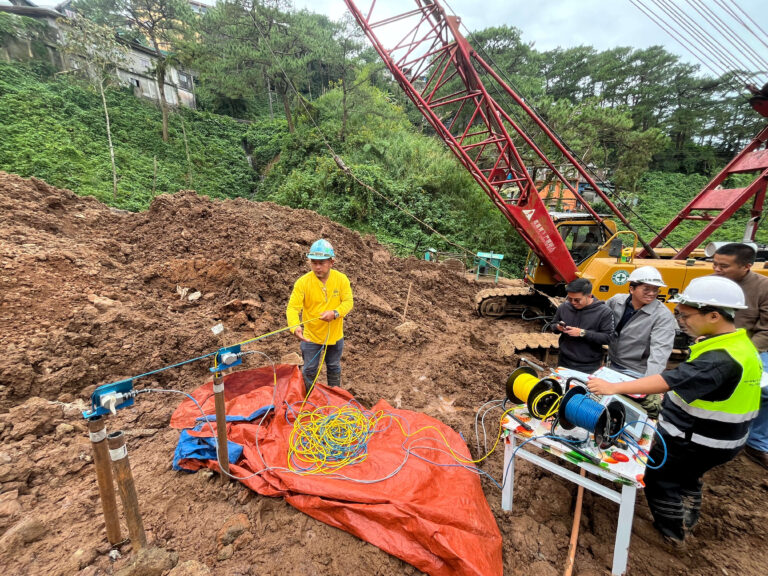
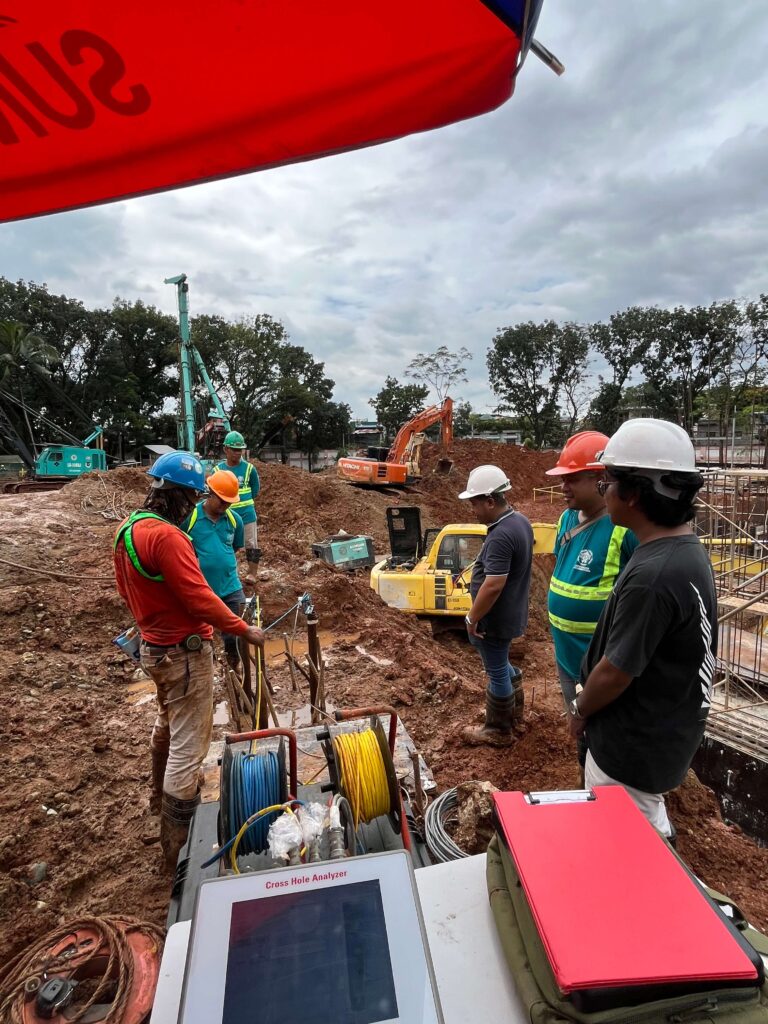
After the concrete has been placed and cured, ultrasonic (similar to that of marine sonars) transmitter-receivers, also known as “transceivers,” are lowered into the tubes. Sound waves are then transmitted through the concrete between the tubes, allowing engineers to assess the material’s consistency and detect potential anomalies.
The process is particularly effective at identifying inhomogeneities that may arise from voids, honeycombing, soil inclusions, concrete material segregation, or poorly consolidated concrete. These defects can reduce the structural performance of a foundation if left undetected.
Unlike visual inspections, CSL provides information about the internal condition of the pile. This makes it a valuable quality assurance tool for large infrastructure projects, high-rise developments, bridges, and other structures that depend on deep foundation systems.
One of the key advantages of crosshole sonic logging is its ability to evaluate concrete quality throughout the entire length of the pile, albeit just evaluating that in between the tubes and in a straight line path. Engineers can use the results to determine whether additional investigation or corrective actions are necessary before construction progresses. Concrete cover evaluation is beyond the capabilities of the CSL test, and other tests should be considered if concrete cover evaluation is a must. Tests like the Thermal Integrity Profiling, or TIP, can do just this.
As modern construction projects demand higher standards of reliability and safety, crosshole sonic logging has become an important component of foundations meeting design expectations and performing as intended throughout the life of the structure.
Common Causes of Pile Foundation Failure | AGES
Pile foundations are designed to transfer structural loads safely into deeper, more stable soil layers. However, when design, installation, or site conditions are not properly evaluated, pile foundation failure can occur, leading to costly repairs, project delays, and safety concerns.
One of the most common root causes of pile foundation failure is inadequate or inaccurate geotechnical investigation. Without a thorough understanding of subsurface conditions, engineers may overestimate soil variability, groundwater conditions, or load-bearing capacity. As a result, even though piles are installed or made with good workmanship and quality, they may not perform as intended under structural loads and pose potential risks.
On the other hand, when engineers underestimate soil conditions, it can result in over-designing of foundations, which can be very costly and time-consuming.
Poor installation practices can also contribute to foundation issues. Misalignment, insufficient embedment depth, damage during pile driving (for driven piles), or poor construction methodology (for bored piles) may reduce the pile’s ability to support the structure. In some cases, construction defects remain hidden until significant settlement or structural distress becomes apparent.
Another factor, although uncommon, is overloading. When actual loads exceed the design assumptions, excessive settlement or pile failure may occur. Changes in building use, additional structural loads, or inaccurate load calculations can increase this risk.
Environmental factors such as soil erosion, scour, and especially seismic activity may also affect long-term pile performance. These conditions can weaken soil support and compromise foundation stability over time.
To minimize these risks, engineers rely on pile testing methods such as dynamic pile testing (PDA) , pile integrity testing (PIT), static load testing (SLT), and crosshole sonic logging (CSL) or ultrasonic testing. These assessments help verify pile capacity, identify potential defects, and confirm compliance with project requirements.
By combining proper site investigation, quality construction practices, and comprehensive pile testing, project teams can significantly reduce the likelihood of foundation failure and improve the long-term performance of critical structures.
Static Load Test vs. Dynamic Pile Testing | AGES (PDA, ASTM D4945)
When evaluating foundation performance, engineers often compare Static Load Testing and Dynamic Pile Testing or the PDA Test. Both methods provide valuable information about pile behavior and capacity (load bearing), but they differ in procedure, cost, and project application.
A Static Load Test is considered the original and industry gold standard for determining pile load bearing capacity. During the test, a gradually increasing load is applied to the pile while engineers measure settlement and movement. Because the pile’s response is directly observed under controlled loading conditions, static load testing provides a direct and highly reliable performance data.
Normally there are three method of Static Load Testing namely:
Each method provides engineering design valuable information about the pile behavior for the safety of the future structure.
Dynamic pile testing or the PDA Test, on the other hand, evaluates pile capacity using impact forces and advanced wave analysis techniques. Through Pile Dynamic Analysis (PDA) engineers measure force and velocity signals generated during pile driving or eventual drop hammer testing after the pile is installed. This allows for rapid assessment of Pile capacity and structural integrity without the extensive setup required for static testing.
The primary advantage of static load testing is accuracy. However, it often requires more time, equipment, and site preparation. Dynamic pile testing is generally faster and more cost-effective, making it suitable for projects that require testing of multiple piles within tight schedules.
Choosing between static load testing and Dynamic Pile Testing depends on project objectives, budget, regulatory requirements, and foundation design considerations. In many cases, both methods are used together to provide a complete understanding of pile performance.
AGES engineers evaluate project requirements carefully and can also recommend the most appropriate pile testing method. Whether through static load testing, pile dynamic analysis, or other advanced testing solutions, proper foundation assessment helps ensure structural safety, compliance, and long-term performance.
Investing in reliable pile testing today can help prevent costly foundation issues in the future.
Pile Integrity Test (PIT): A Complete Guide | AGES Low Strain Integrity Testing ASTM D5882
A Low-strain Pile Integrity Test (PIT) is a non-destructive testing method used to evaluate the condition and continuity of foundation piles. As one of the most common pile testing techniques, PIT helps engineers identify integrity issues that may arise from poor concrete quality, soil inclusions, cracks, voids, or changes in pile geometry that may affect structural performance.
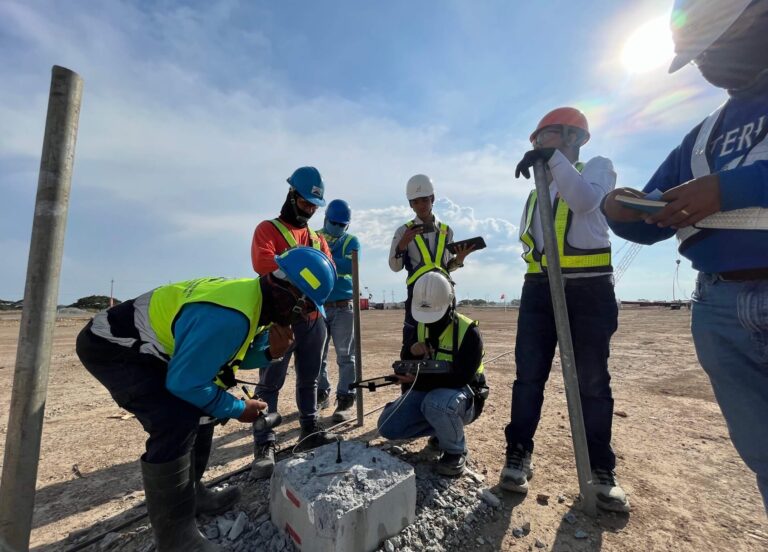
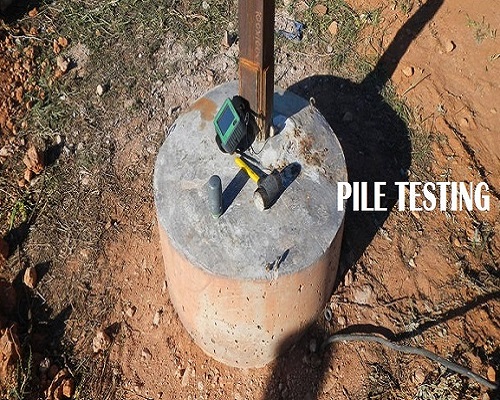
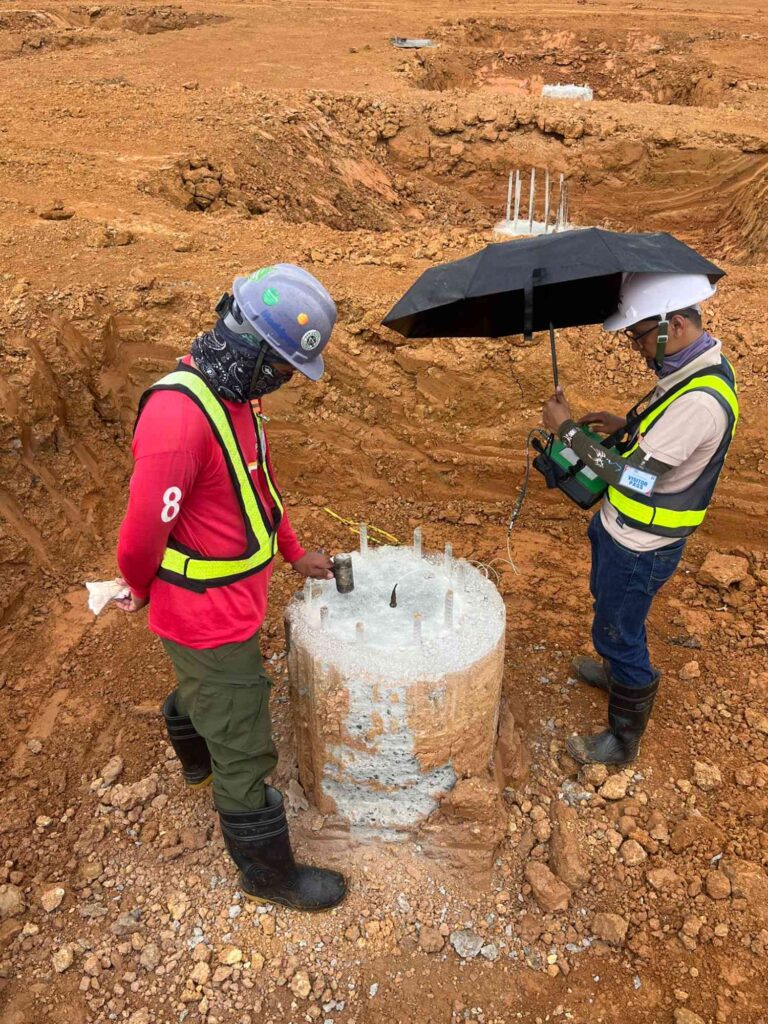
Similar to the Pile Dynamic Analysis (PDA) Test, the Pile Integrity Test works by applying an impact to the pile head. Albeit for the PIT it is only using a handheld hammer and thus a non-destructive force compared to the pile concrete strength. Pile-top sensors record the resulting stress waves as they travel through the pile and reflect back any defects and discontinuities, if any, or possibly just the pile toe response if the pile integrity is good. Engineers then analyze these wave patterns to determine whether the pile integrity is structurally sound.
One of the key benefits of pile integrity testing is its ability to detect hidden issues without causing damage to the foundation. Because the method is fast, economical, and non-invasive, it is widely used for quality assurance during construction projects. It is able to test numerous piles in day and is normally employed for bored and driven piles quality assurance and control program.
Pile integrity tests are particularly valuable for bored piles or cast-in-place concrete piles where visual inspection of the entire pile is impossible. Early identification of defects can help improve the construction methodology of the succeeding piles, project delays, and long-term structural concerns.
Although PIT provides important information about pile integrity, it does not directly determine load-bearing capacity like the Pile Dynamic Analysis (PDA) Test. For a comprehensive foundation assessment, engineers may combine pile integrity testing with other methods such as dynamic pile testing (PDA), static load testing, or crosshole sonic logging (another integrity testing method for bored or cast-in-place piles, sometimes referred to as ultrasonic testing).
At AGES, pile integrity testing is conducted using local industry-standard procedures approved by the DPWH which are also in line with global standards. This test helps clients verify foundation quality and maintain confidence in their construction projects. Reliable pile testing ensures that structures are built on safe and dependable foundations capable of supporting future loads and structures.
Dynamic pile testing is a widely used method for evaluating the load-bearing capacity and structural integrity performance of foundation piles. Also known as a Pile Dynamic Analysis (PDA) test, this technique helps engineers assess whether a pile can safely support the loads required by a structure.
Unlike traditional testing methods (static load testing, or SLT) that may require large reaction systems and extended testing periods, dynamic pile testing uses controlled impact forces applied to the pile head. Sensors attached to the pile measure force and velocity, allowing engineers to analyze the pile’s behavior and estimate its load capacity. This process provides valuable information regarding pile integrity, foundation reliability, and even hammer or driving performance.
One of the main advantages of pile dynamic analysis is speed. Engineers can obtain results much faster compared to conventional static load testing methods, making it an efficient solution for infrastructure, commercial, industrial, and bridge construction projects. Dynamic pile testing is also considered a cost-effective approach because it minimizes equipment requirements while still delivering reliable performance data. It is also able to test more piles in a day compared to static load testing methods.
In the Philippines, dynamic pile testing is commonly used to verify pile capacity and ensure compliance with DPWH project specifications and also align even with international standards. As construction projects become increasingly complex with the threat of regular earthquakes and seismic events becoming more relevant, accurate foundation testing plays a critical role in reducing risk and ensuring long-term structural stability.
At AGES, dynamic pile testing or PDA is performed by globally certified (PDI / PDCA of USA) experienced engineers using advanced equipment and internationally recognized methodologies. By conducting pile dynamic analysis (PDA) , project owners and contractors can make informed decisions that contribute to safer and more efficient construction outcomes.
Whether for driven piles, bored piles, or major infrastructure developments, dynamic pile testing remains one of the most trusted methods for evaluating foundation performance.