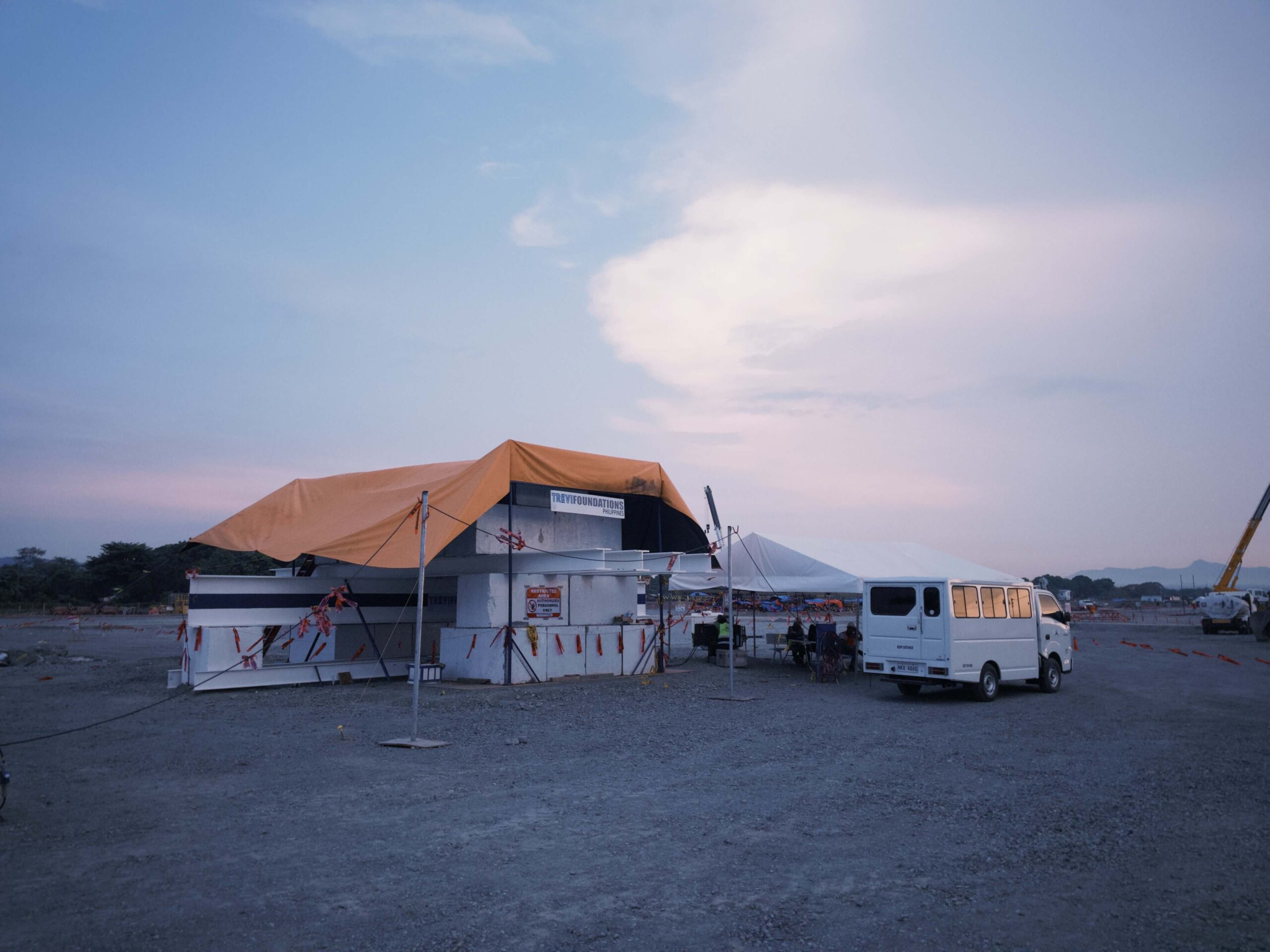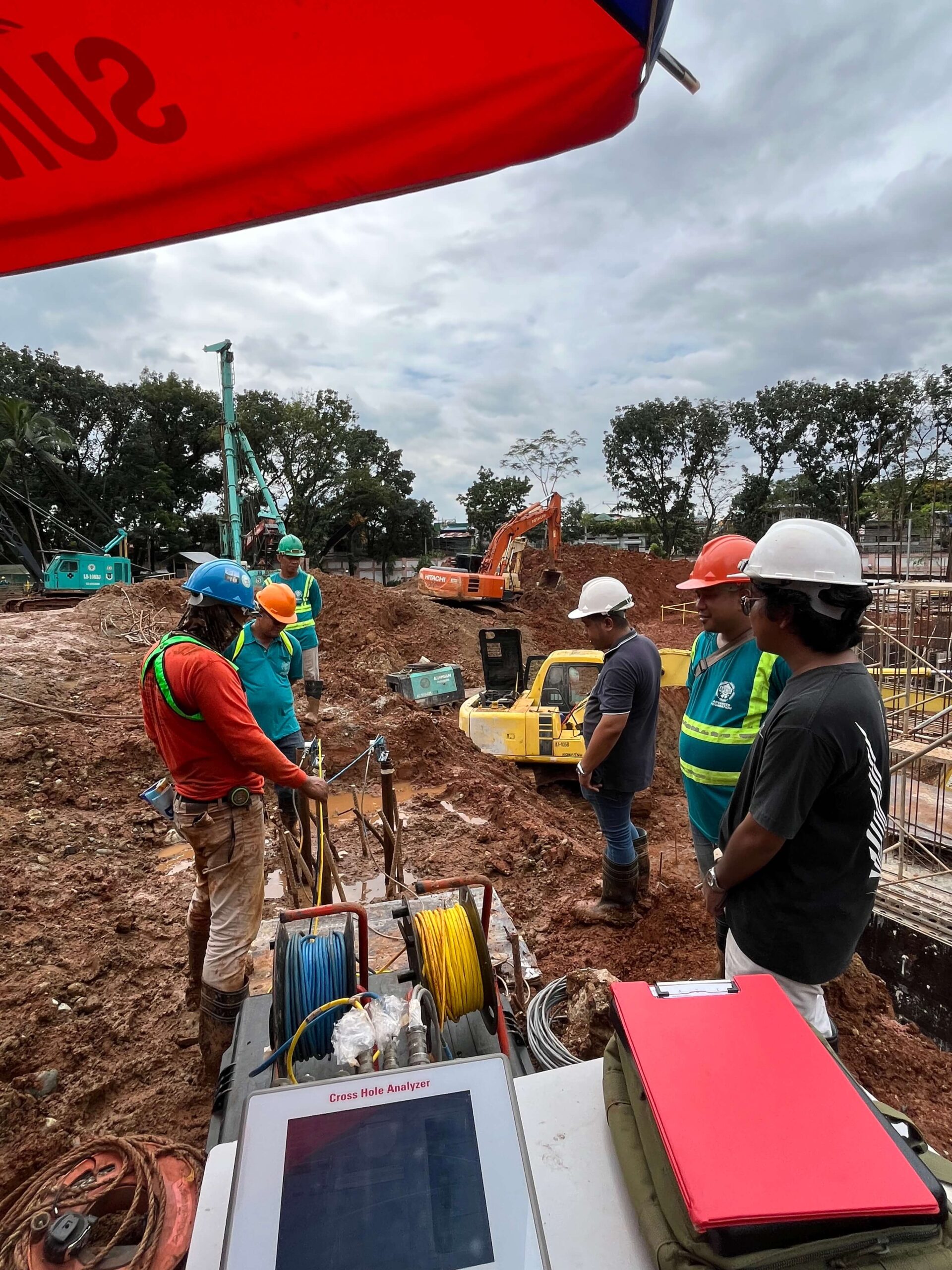
Crosshole Sonic Logging (CSL) at times referred to as "ultrasonic," is a specialized testing method used to evaluate the quality or “integrity” of deep concrete foundations. Commonly performed on drilled shafts, bored piles, and diaphragm walls, CSL helps engineers identify internal defects that are not visible during construction.
CSL is a whole process that involves installing access tubes within the reinforcing cage before concrete placement. The tubes are normally made of steel (GI or BI pipes and at least 37.5mm in diameter up to 50mm). While PVC tubes can be used, these are not advised due to the vast difference in coefficient of thermal expansion between PVC and concrete, which may cause "debonding." When debonding happens, a gap is created between the tubes and concrete, which will affect the data during the CSL test, potentially creating a false defect in the pile.
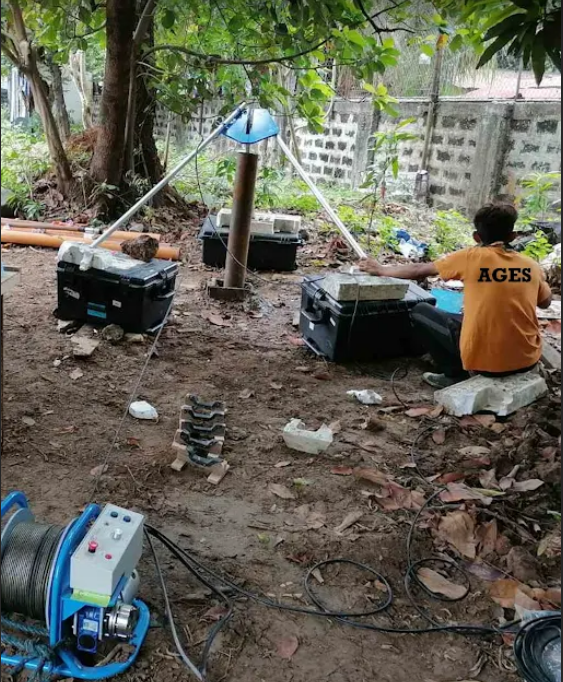
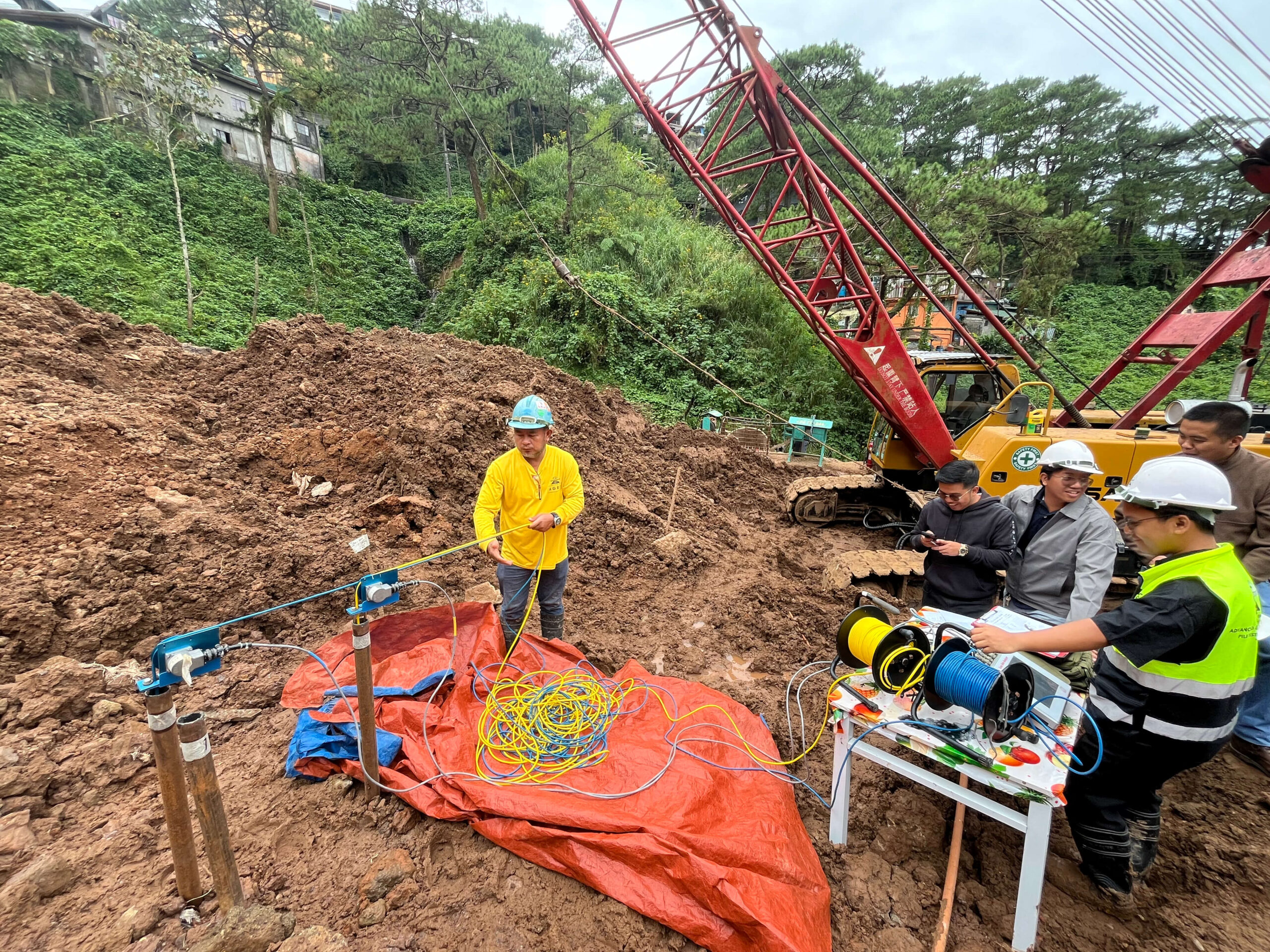
After the concrete has been placed and cured, ultrasonic (similar to that of marine sonars) transmitter-receivers, also known as “transceivers,” are lowered into the tubes. Sound waves are then transmitted through the concrete between the tubes, allowing engineers to assess the material’s consistency and detect potential anomalies.
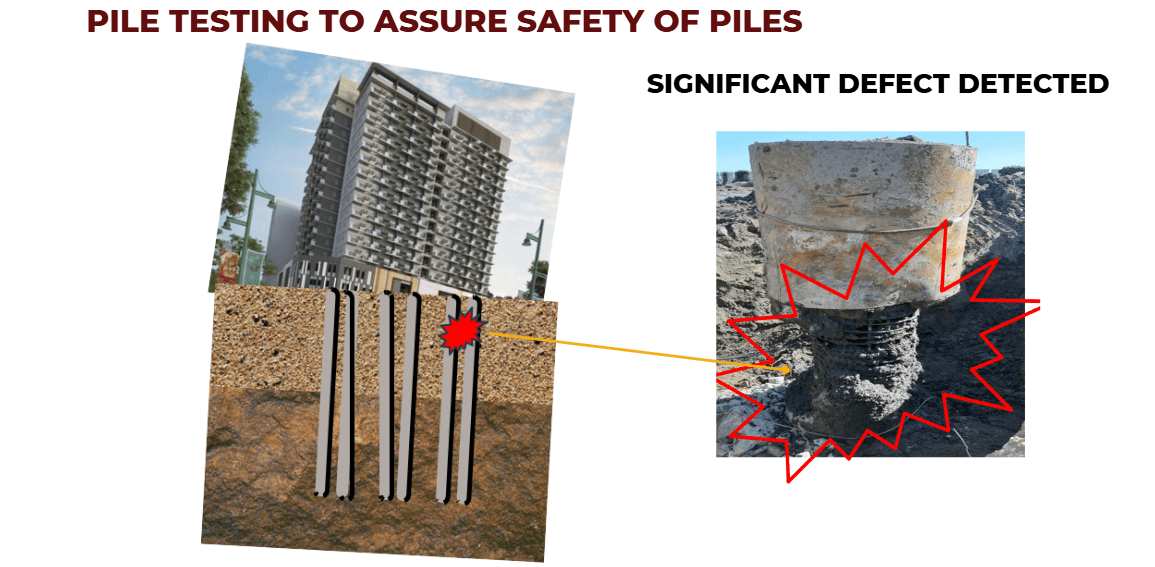
The process is particularly effective at identifying inhomogeneities that may arise from voids, honeycombing, soil inclusions, concrete material segregation, or poorly consolidated concrete. These defects can reduce the structural performance of a foundation if left undetected.
Unlike visual inspections, CSL provides information about the internal condition of the pile. This makes it a valuable quality assurance tool for large infrastructure projects, high-rise developments, bridges, and other structures that depend on deep foundation systems.
One of the key advantages of crosshole sonic logging is its ability to evaluate concrete quality throughout the entire length of the pile, albeit just evaluating that in between the tubes and in a straight line path. Engineers can use the results to determine whether additional investigation or corrective actions are necessary before construction progresses. Concrete cover evaluation is beyond the capabilities of the CSL test, and other tests should be considered if concrete cover evaluation is a must. Tests like the Thermal Integrity Profiling, or TIP, can do just this.
As modern construction projects demand higher standards of reliability and safety, crosshole sonic logging has become an important component of foundations meeting design expectations and performing as intended throughout the life of the structure.