Modern construction projects often utilize multiple pile testing methods to evaluate foundation performance. Among the most commonly used techniques are Pile Dynamic Analysis (PDA), Pile Integrity Testing (PIT), and Crosshole Sonic Logging (CSL). While each method contributes valuable information, they serve different purposes.
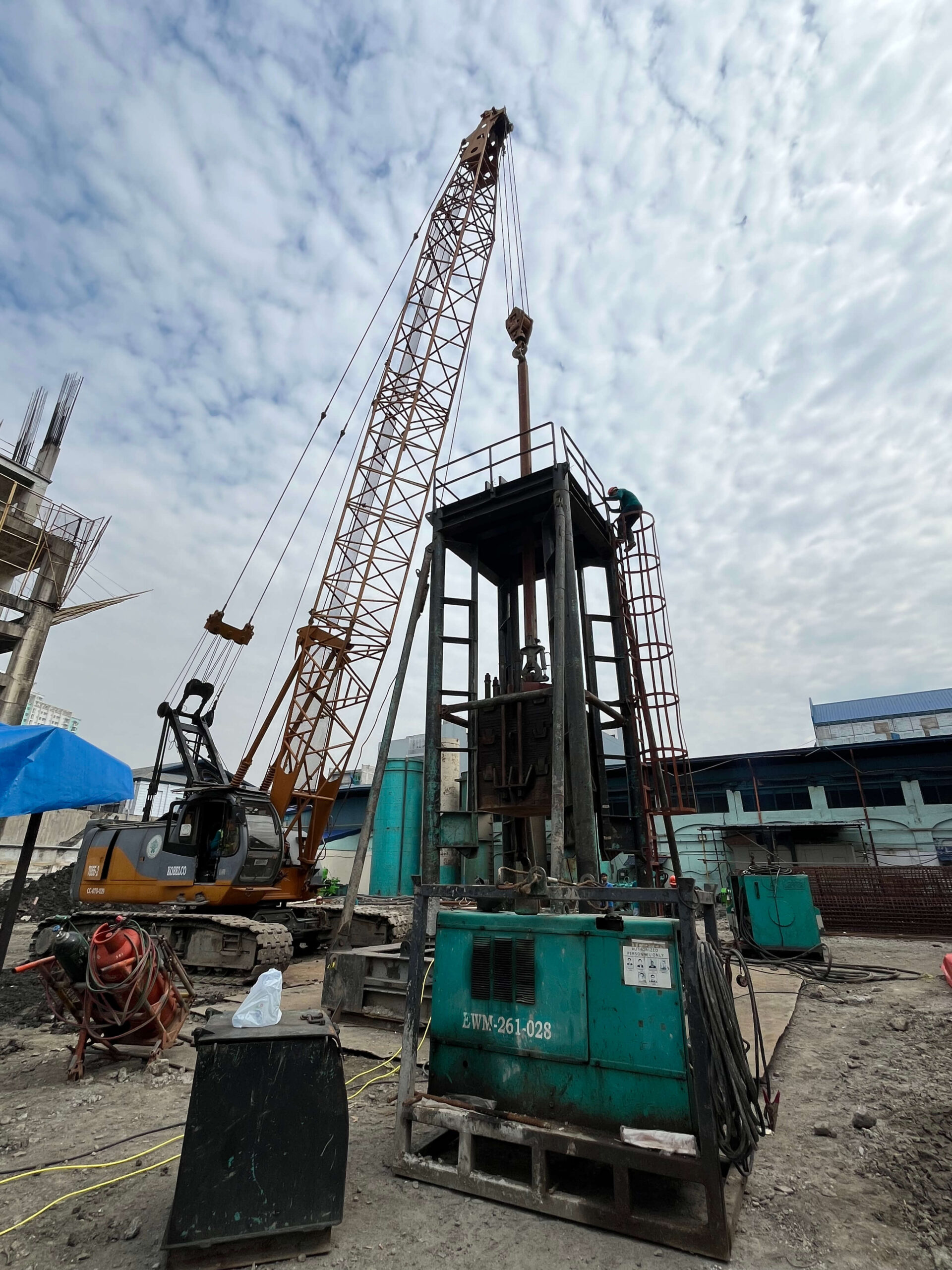
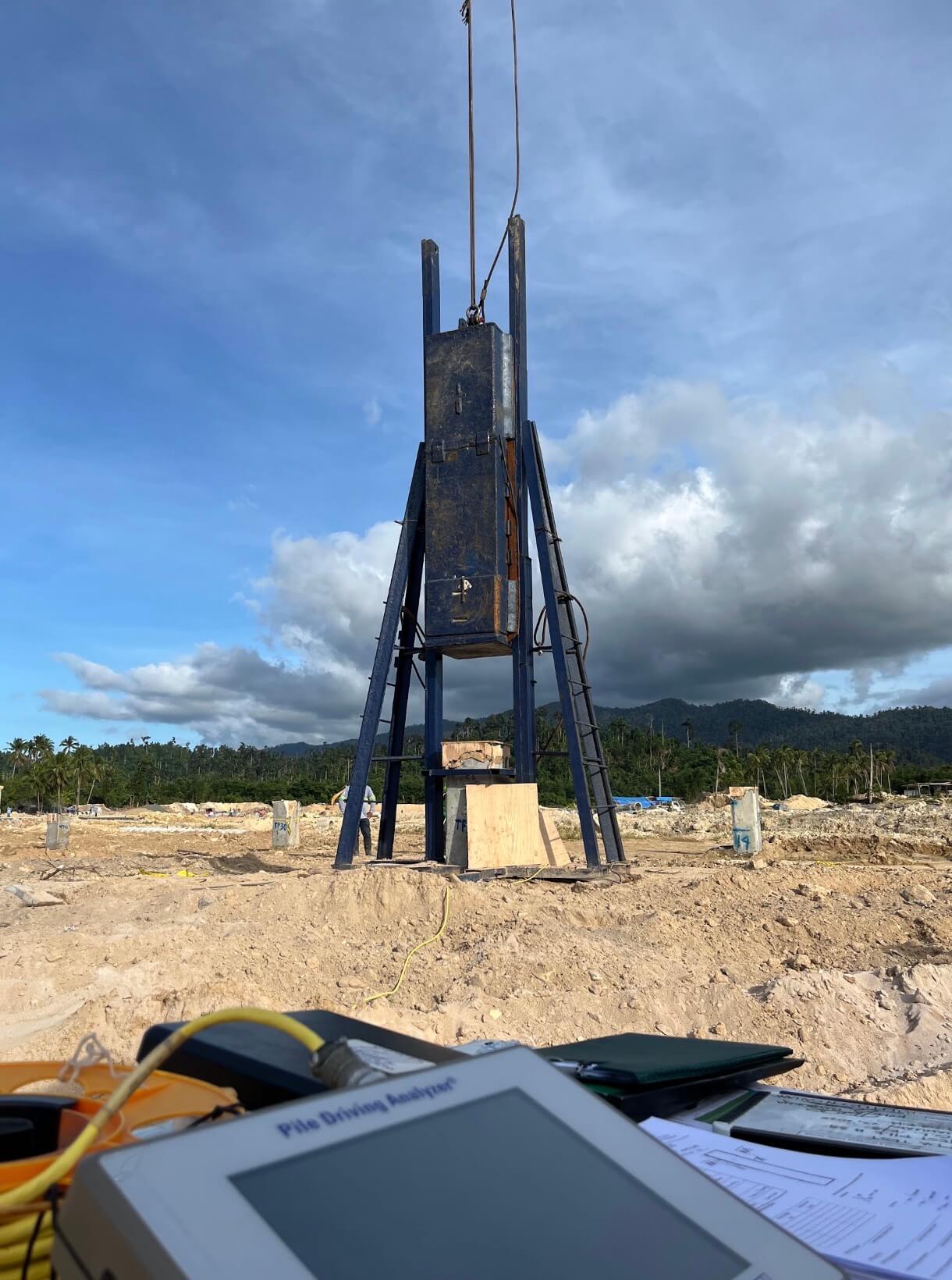
PDA Testing evaluates both pile capacity and pile integrity. When impact hammers are used, hammer driving performance is also evaluated through the measurement of force and velocity during impact loading. Engineers commonly use this method to assess load-bearing capacity and installation effectiveness.
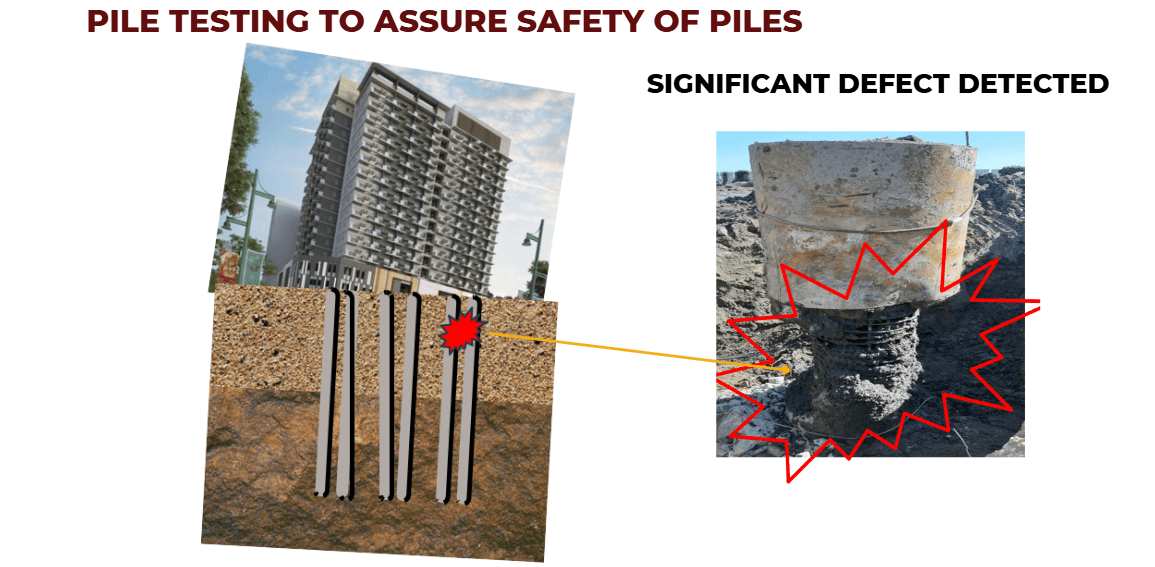
PIT is a low-strain integrity testing method used to identify potential defects within a pile. By analyzing stress wave reflections, engineers can detect cracks, voids, or changes in pile geometry that may affect structural performance. While It does not provide information about pile bearing capacity. However, it is the quickest integrity testing which may be practical if the project has hundreds or even thousands of piles to be tested.
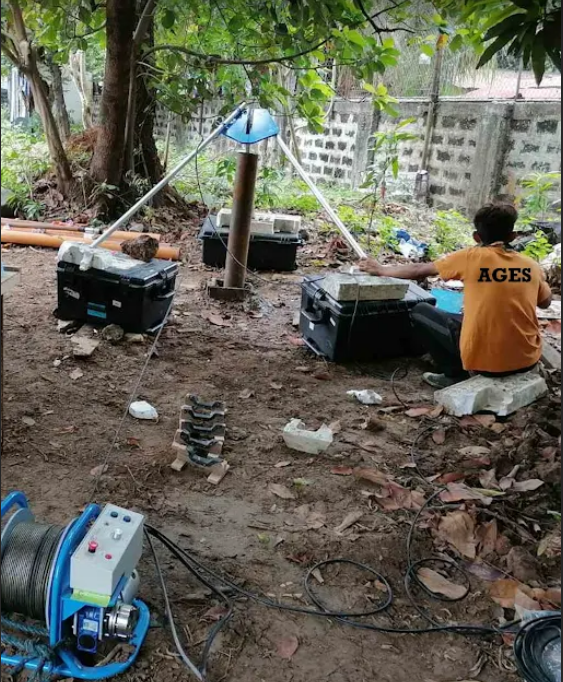
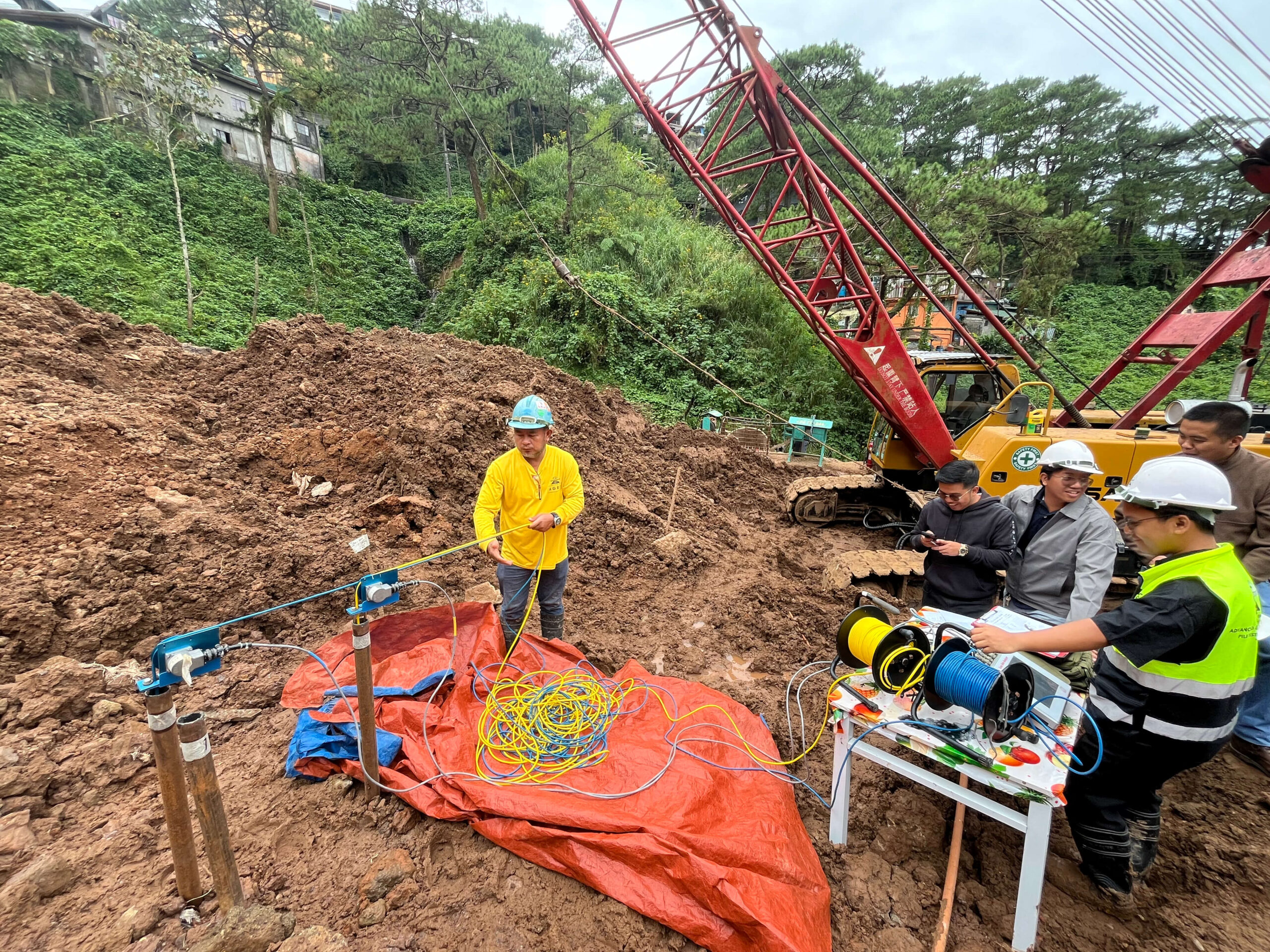
While technically also a pile integrity test, Crosshole Sonic Logging is commonly called by its acronym CSL or “ultrasonic test”. One way to differentiate this from the Low Strain Integrity test (commonly called PIT) is to determine whether the pile to be tested with the integrity testing method has multiple steel tubes installed in the pile. Only cast in place piles, or those made at the site such as bored piles or diaphragm walls can be installed with the steel tubes and thus tested with this method. Pre-cast piles or those made in the factory and delivered at the site normally do not have steel tubes along the length of the pile and thus do not use this method. For precast piles /driven piles that are either circular or square concrete piles, the common method is the Low Strain Integrity Test or PIT.
The CSL test uses ultrasonic signals transmitted between access tubes embedded within concrete piles. This method helps evaluate internal concrete quality and identify anomalies such as voids or poorly consolidated sections. CSL is normally used for larger diameter and longer piles especially when the accuracy limitations of the Low strain Integrity Test (PIT) on these larger piles become more relevant.
The answer depends on project objectives. PDA focuses on pile capacity, PIT evaluates pile integrity in the quickest manner, and CSL normally is the more accurate integrity testing method for larger and longer piles. Rather than competing methods, these testing techniques often compliment one another as part of a comprehensive foundation quality assurance program. They are normally used in combination and can also be used in a sudden situational sense when unexpected events transpire, causing doubt in the performance of the piles.
Selecting the appropriate testing method allows engineers to better understand foundation conditions and support long-term structural reliability.