The Standard Penetration Test (SPT) is one of the most familiar field tests used during soil / geotechnical investigations. It provides a practical way to obtain information about subsurface soil conditions while drilling a borehole.
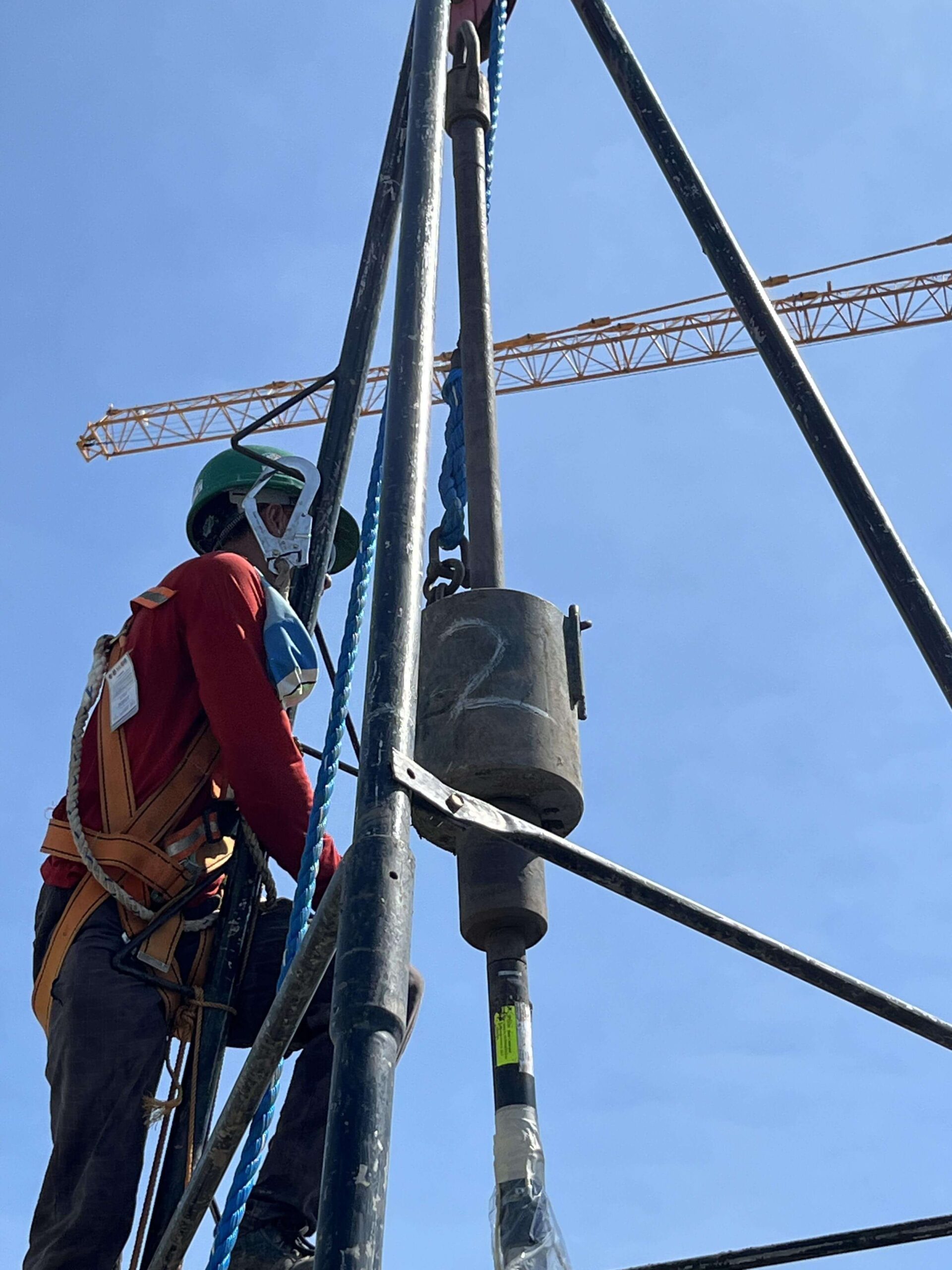
During the test, a standard sampler is driven into the soil using a specific hammering procedure. The number of blows required for a defined portion of penetration is recorded as the SPT N-value
That number is not meant to stand alone. It becomes more useful when considered alongside soil samples, drilling observations, groundwater information, laboratory results and other investigation data.
SPT results can contribute to the characterization of soil conditions and may be used in geotechnical calculations and correlations. Because field equipment and hammer systems can differ, however, the measured N-value may also be affected by the energy actually transferred during the test.
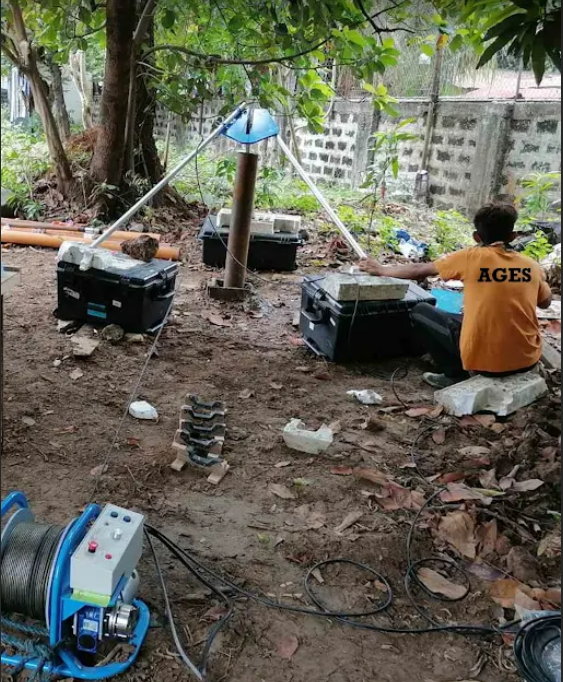
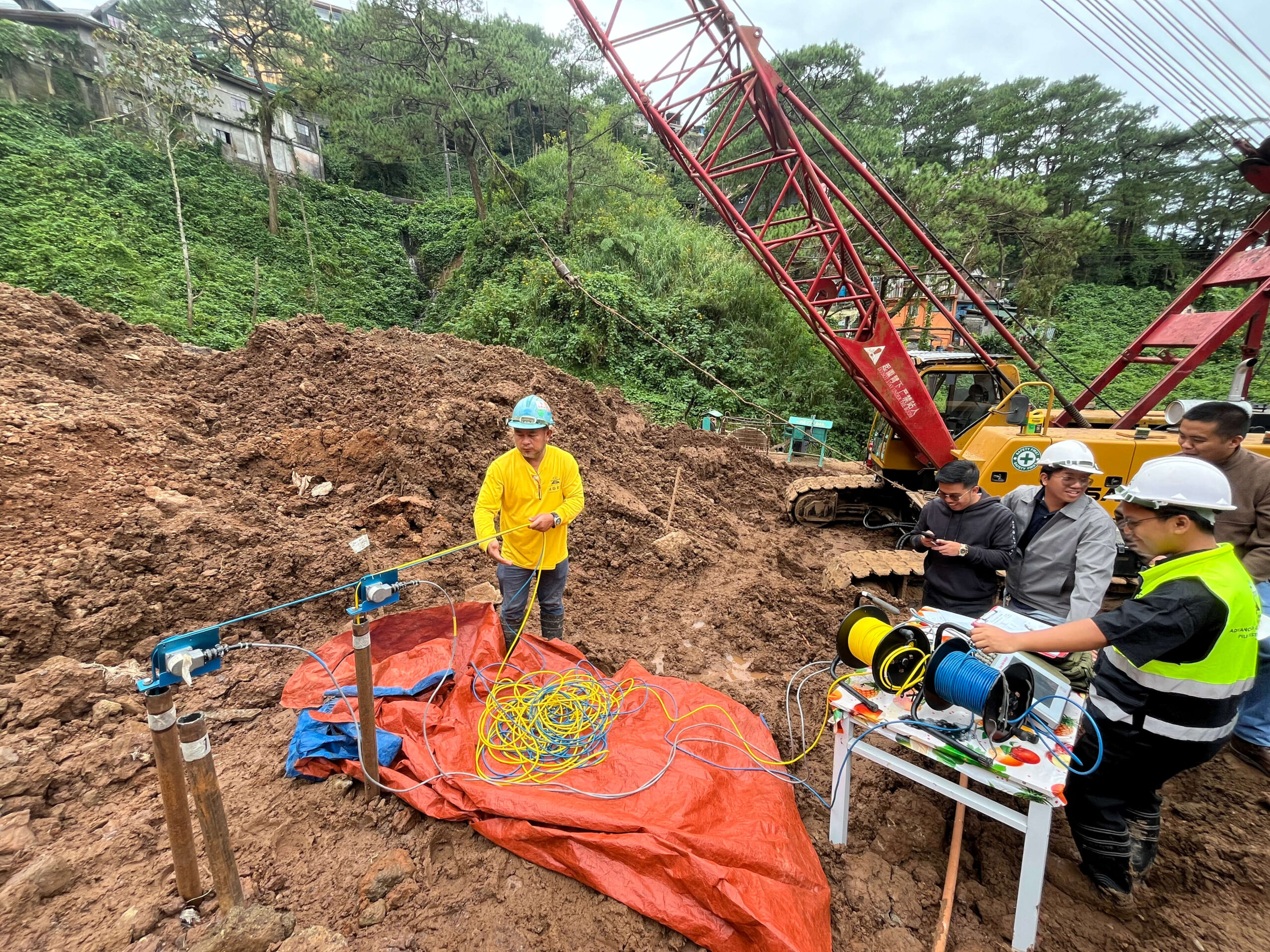
This is where proper equipment assessment and calibration become important. AGES uses an SPT analyzer to measure energy transferred into the instrumented SPT rod and calibrate measured N-values toward the standardized value.
Understanding what the SPT N-value represents (and does not represent) is important. It may seem like a small detail, but it is actually a piece of a larger geotechnical investigation rather than a complete description of the site by itself.
SPT remains useful because it combines field testing with sample recovery, allowing information from the test to be considered together with the actual materials encountered during drilling. When properly conducted and interpreted, this test can provide accurate and valuable site-specific information that contributes to an engineer’s broader understanding of ground conditions.