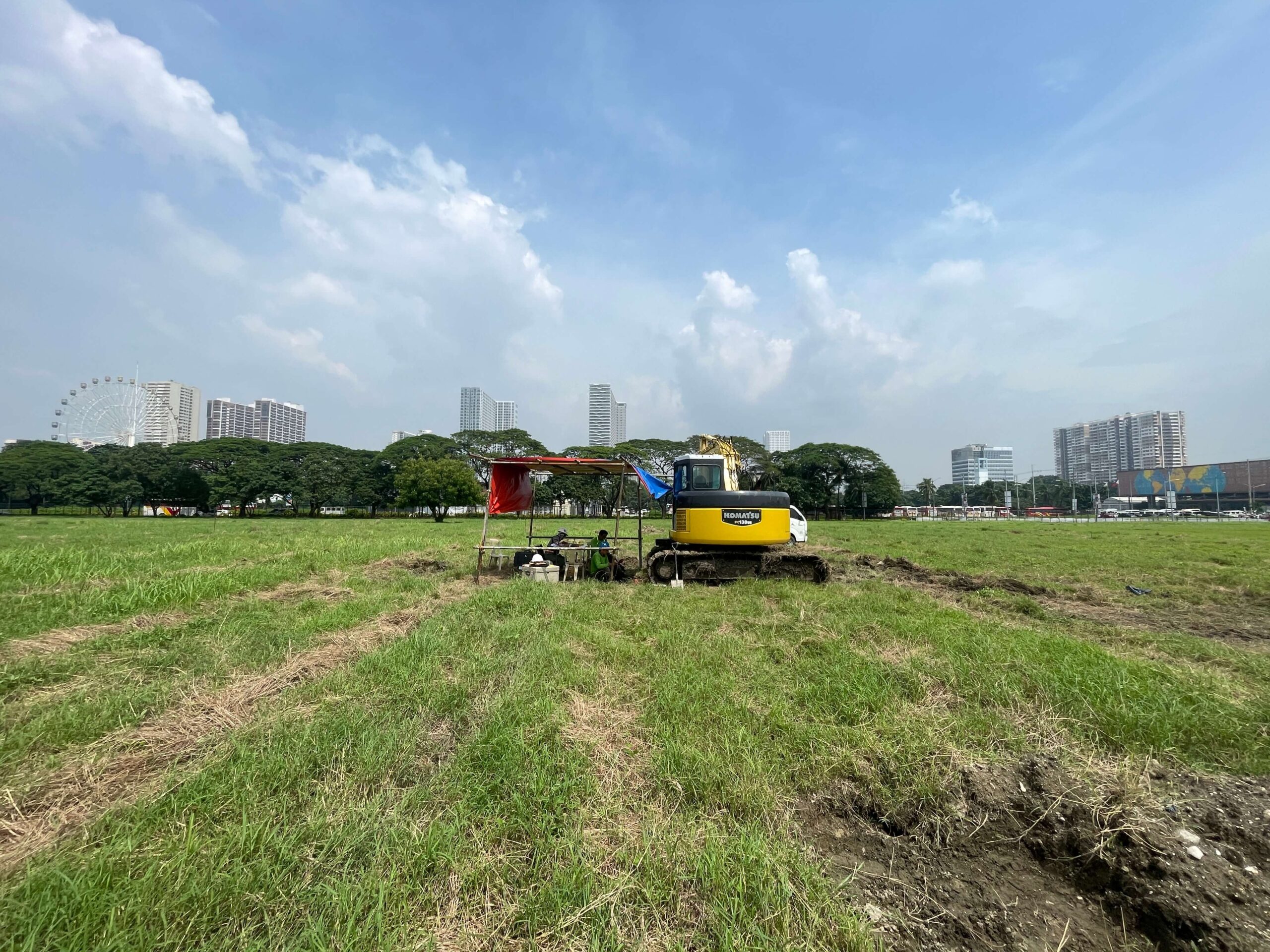
Before a foundation can be designed on a project site, project teams need information about what is actually present underground and if the ground can carry the weight of the future structure. Borehole drilling is one of the field techniques used to investigate those subsurface conditions.
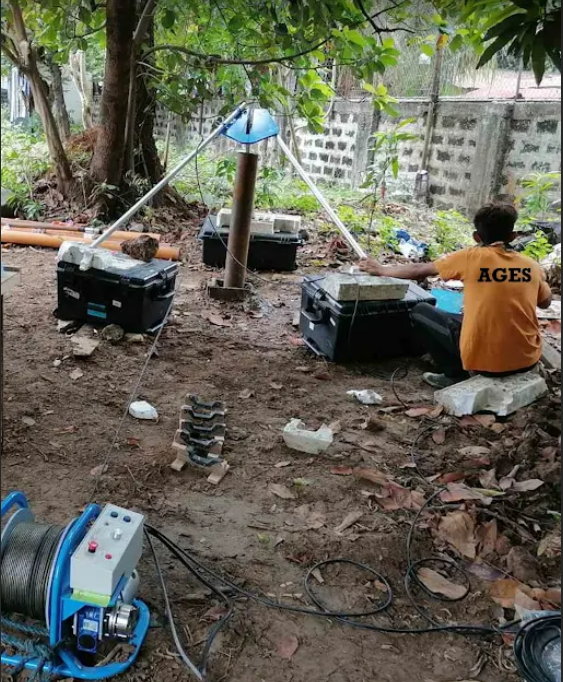
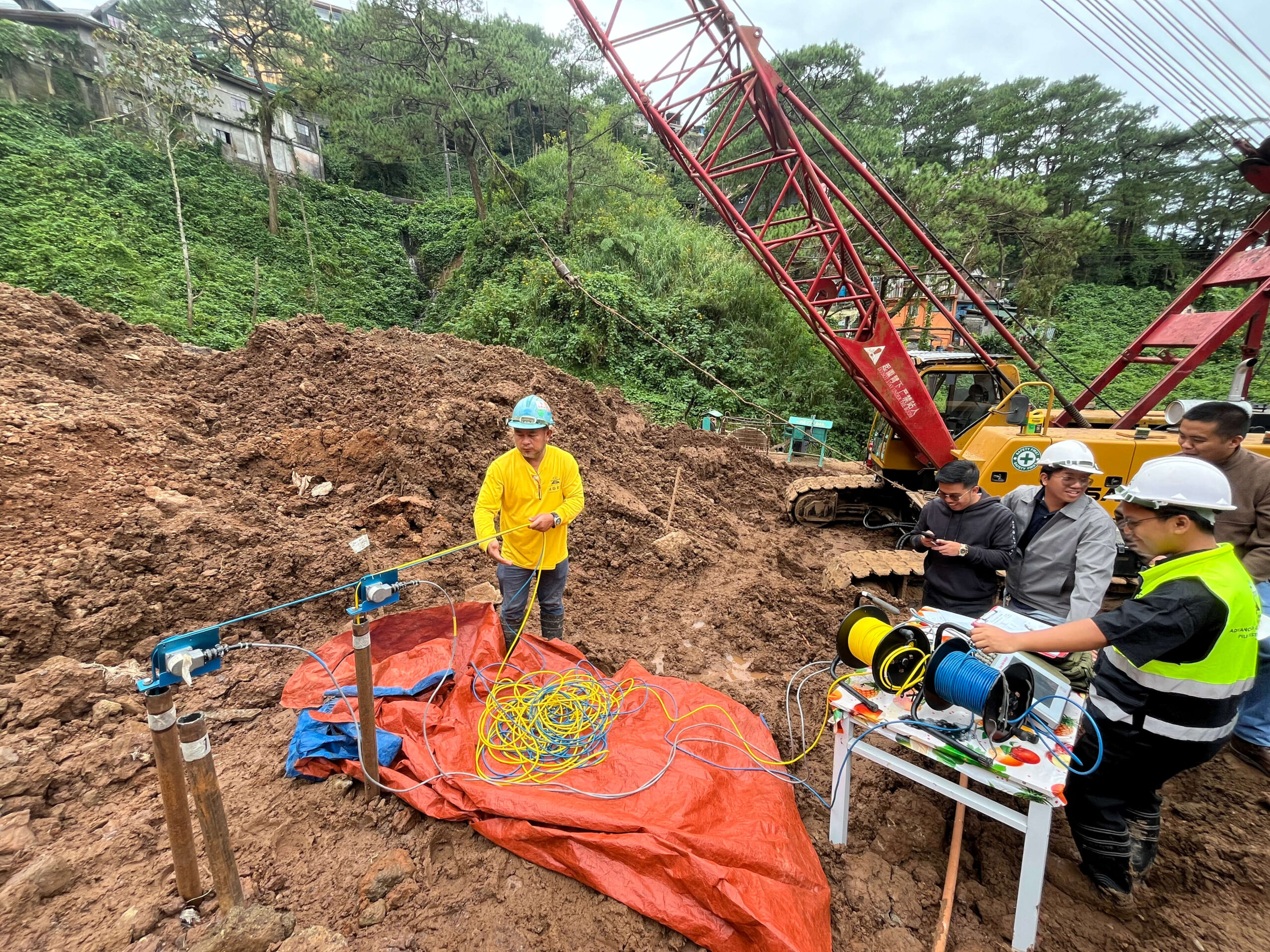
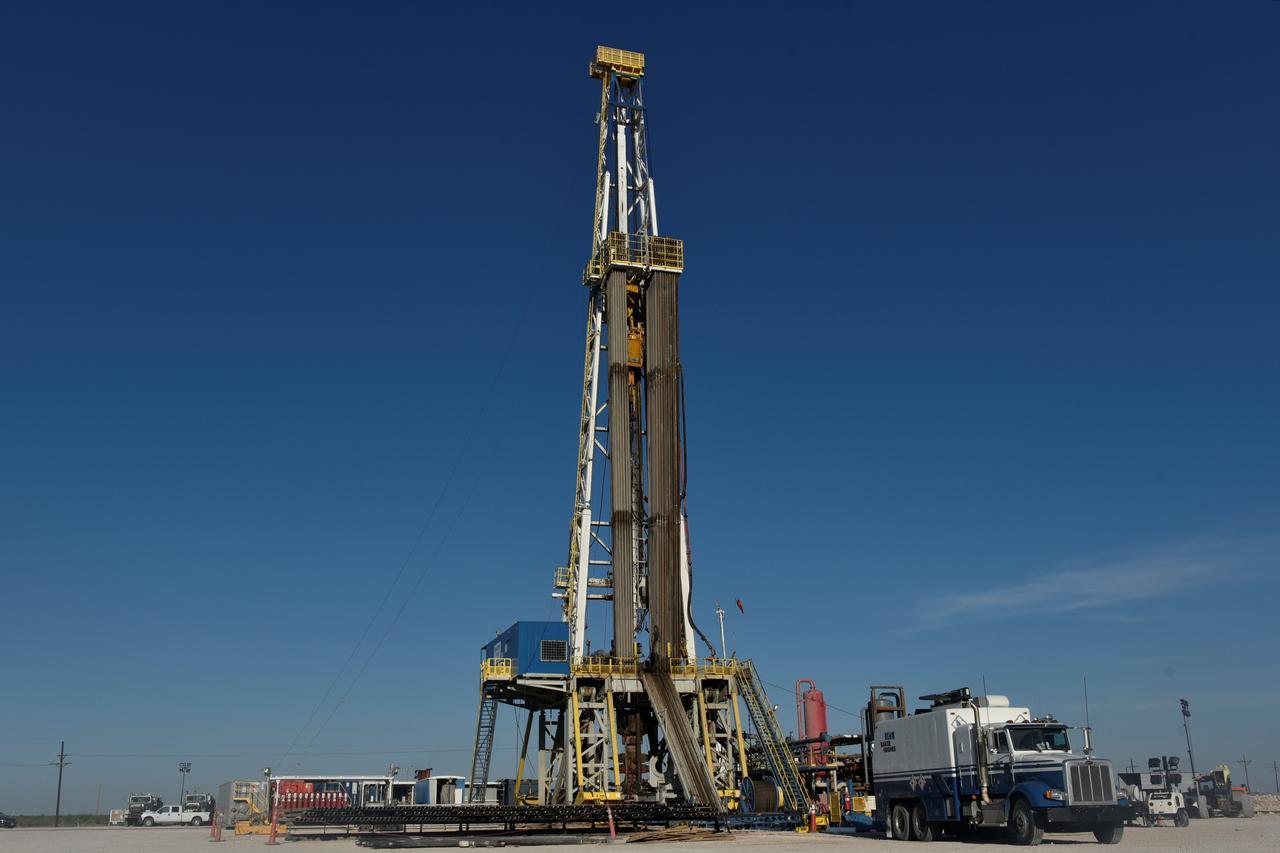
In a typical geotechnical investigation, drilling creates a controlled opening into the ground through which soil or rock conditions can be examined at different depths. Samples are collected along the way for further analysis, and field tests are performed at selected intervals.
One example is the Standard Penetration Test (SPT), which can be conducted during drilling to obtain soil strength information represented by what engineers call the N-value. Together with recovered samples and other observations, these results help build a picture of the materials encountered below the site.
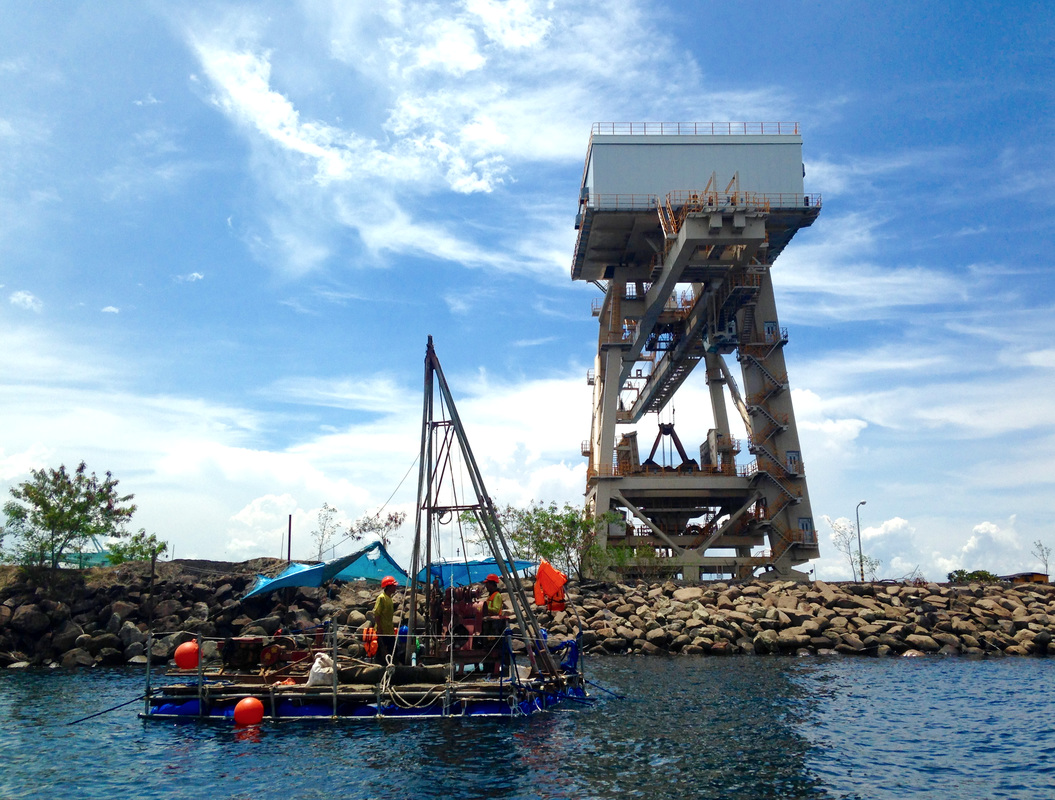
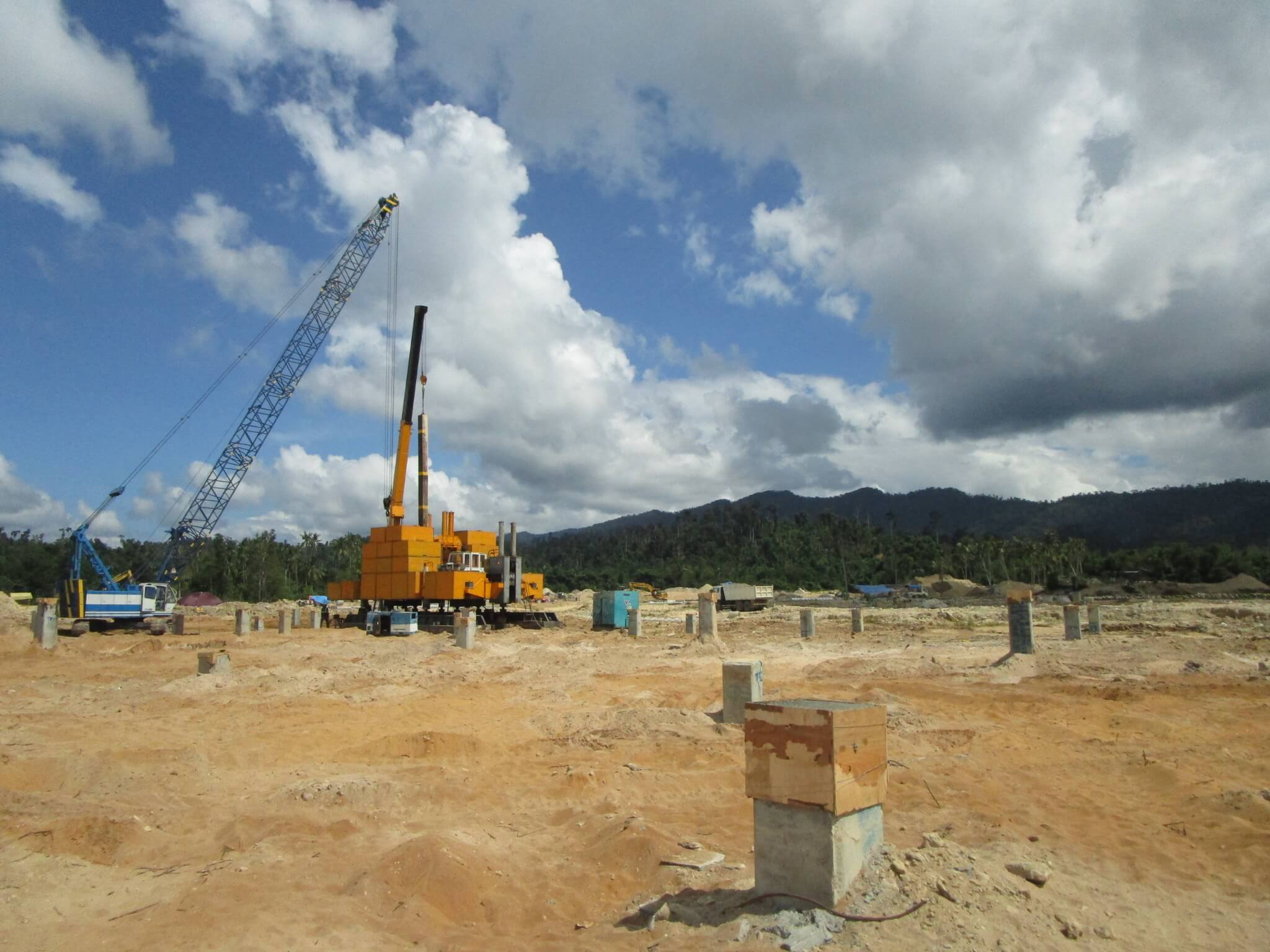
Borehole drilling is not limited to conventional building sites. The requirements can vary considerably depending on the development. AGES provides drilling for applications involving structures such as piers, ports, and harbors, with capabilities for both onland and offshore work.
The depth and number of boreholes required also depend on the proposed project and the information needed from the investigation. A high-rise development, roadway, port facility, and residential project may each require a different investigation approach.
Once fieldwork is completed, the information gathered from the boreholes can be combined with laboratory results and other field tests to support geotechnical analysis.
For construction teams, the value of borehole drilling lies in turning an otherwise unseen part of the site into usable engineering information. Rather than making decisions based only on surface observations, project teams can work with actual subsurface data gathered through a structured investigation.