Driven piles are widely used in construction because of their ability to provide reliable support for buildings, bridges, ports, and other infrastructure projects. While the installation process is generally efficient, several challenges may arise in the field that require careful evaluation and engineering expertise. Recognizing these conditions early helps maintain construction quality and supports long-term foundation performance.
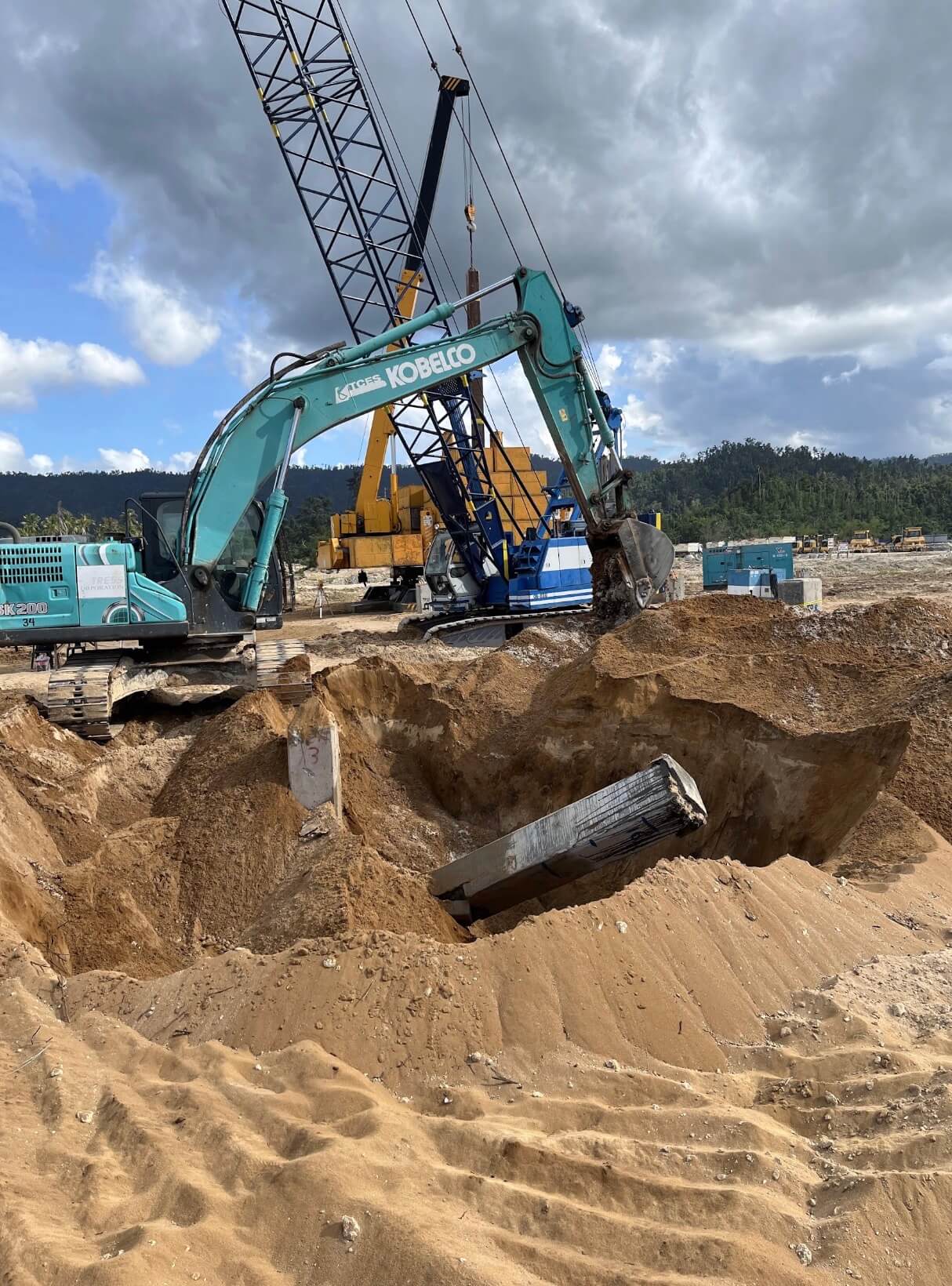
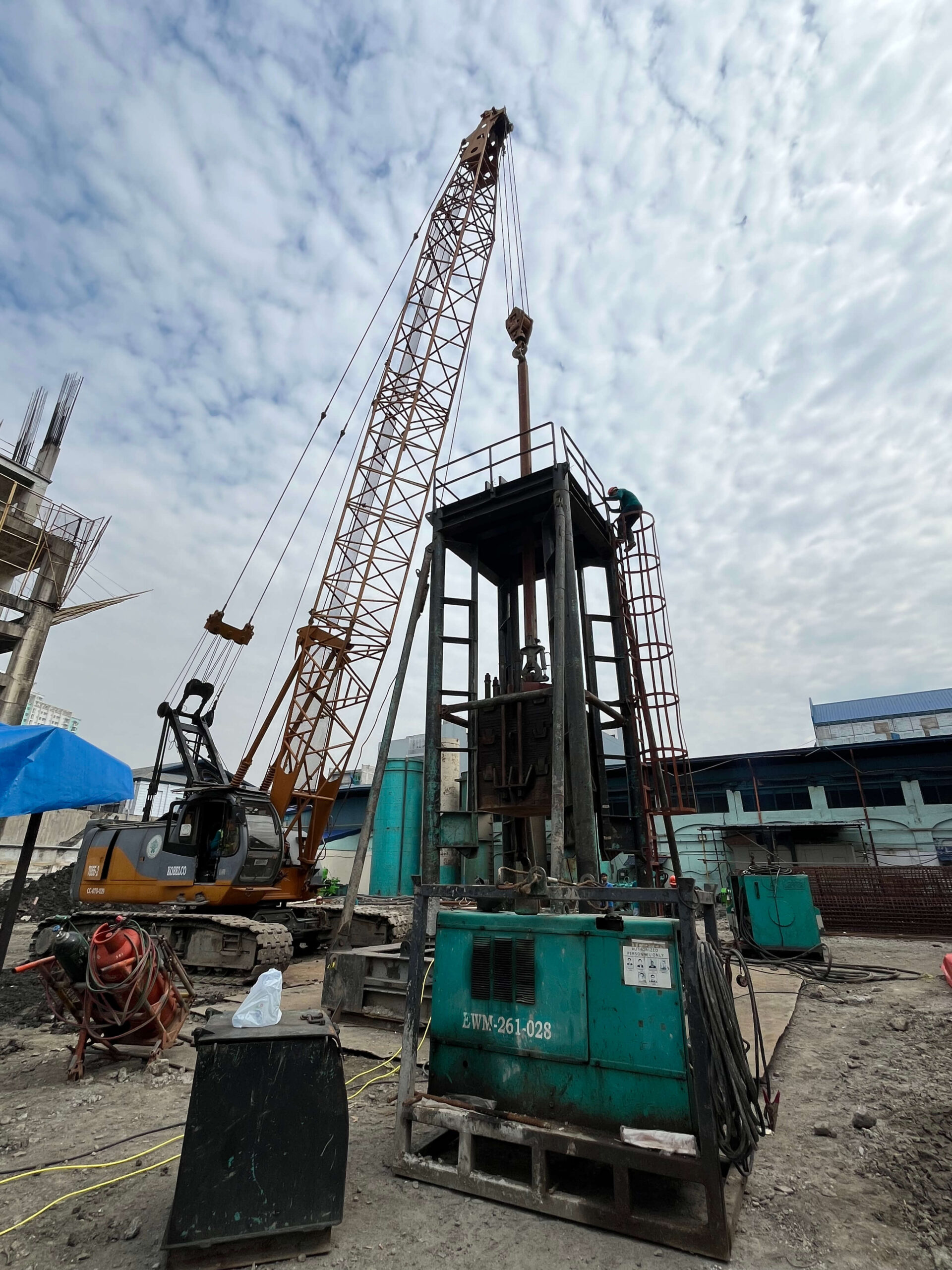
One common challenge is pile refusal, where a pile reaches a point of very high driving resistance before achieving the intended design depth. Although refusal may indicate that a competent bearing layer has been reached, it can also result from underground obstructions or unexpected soil conditions. Engineers must evaluate driving records and site data before determining the appropriate course of action. Refusal may also be due to the driving or pressing quality of the hammer/machine being used.
Another issue is pile heave, which occurs when the installation of new piles causes nearby piles to move sideways and upward due to soil displacement. This phenomenon is more likely in cohesive soils and may affect previously installed foundations if not properly monitored. It may also affect neighboring buildings, which may cause major disputes.
Maintaining proper pile alignment is equally important. Misaligned piles may reduce the efficiency of load transfer and complicate the construction of pile caps or other structural elements. Continuous surveying and quality control help ensure piles remain within acceptable tolerances throughout installation.
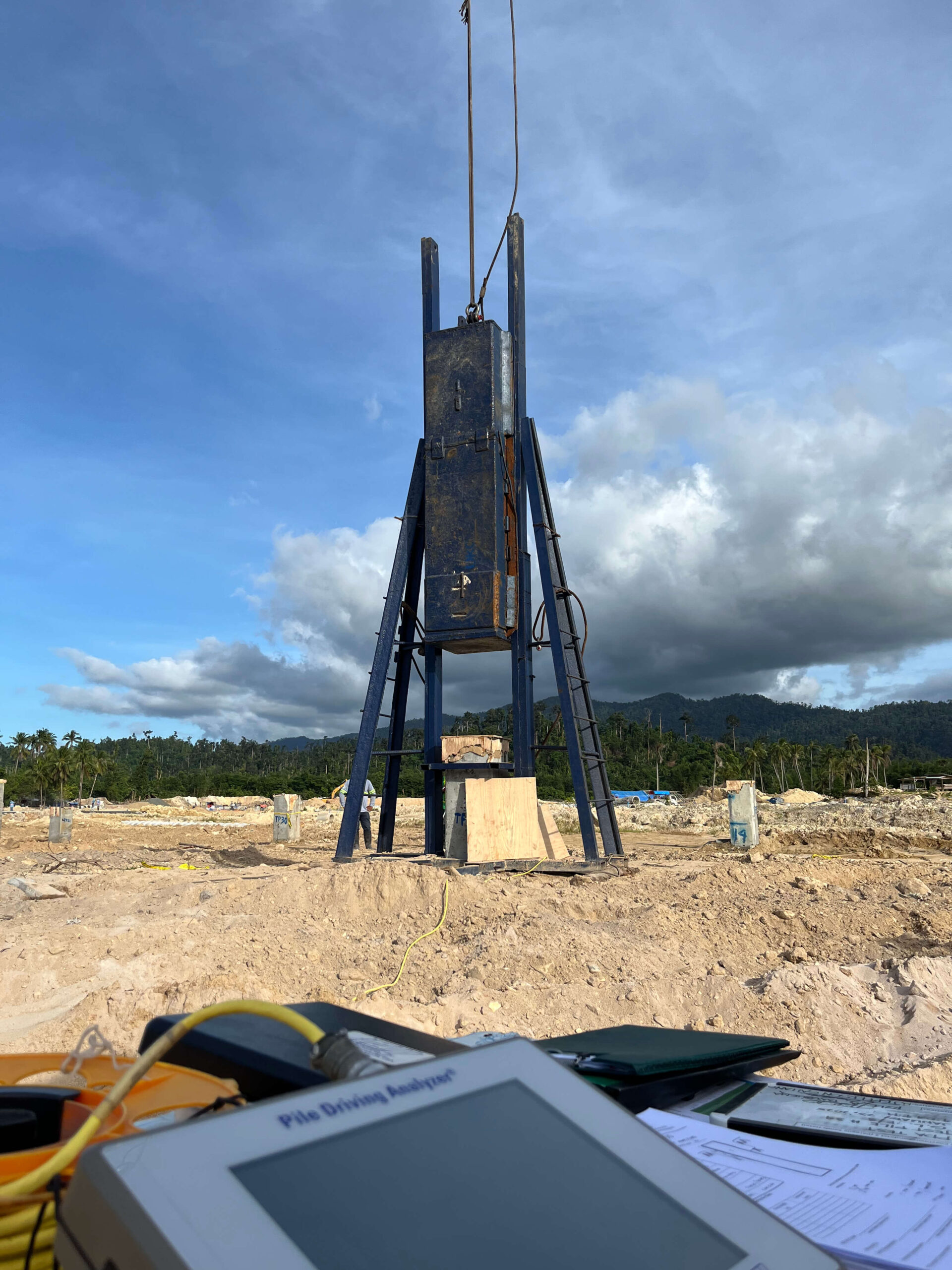
Excessive hammer energy can also create problems. Overdriving may damage the pile through cracking or crushing, while insufficient driving energy can result in inadequate penetration (false or early refusal) and reduced load-bearing capacity. Selecting the appropriate hammer and monitoring driving performance are essential to achieving the desired installation outcomes. A PDA monitoring test helps to identify the appropriateness of the hammer and also the soil capacity characteristics while the pile is being driven. Ideally, a wave equation analysis GRLWEAP may be done before installation of the piles so that the available hammer can be checked before mobilization at the site and see if this is really appropriate to drive the piles given the site soil conditions.
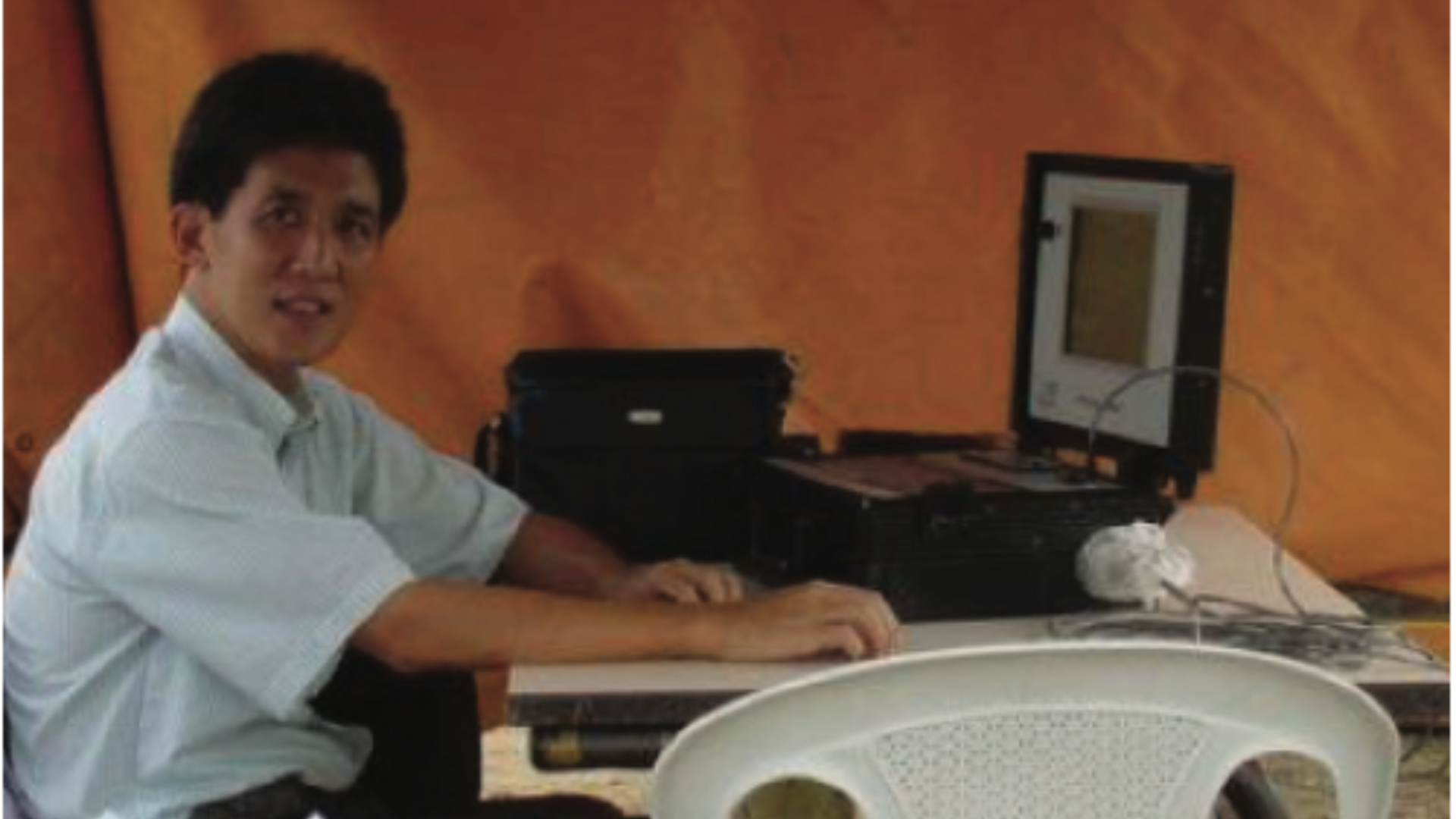
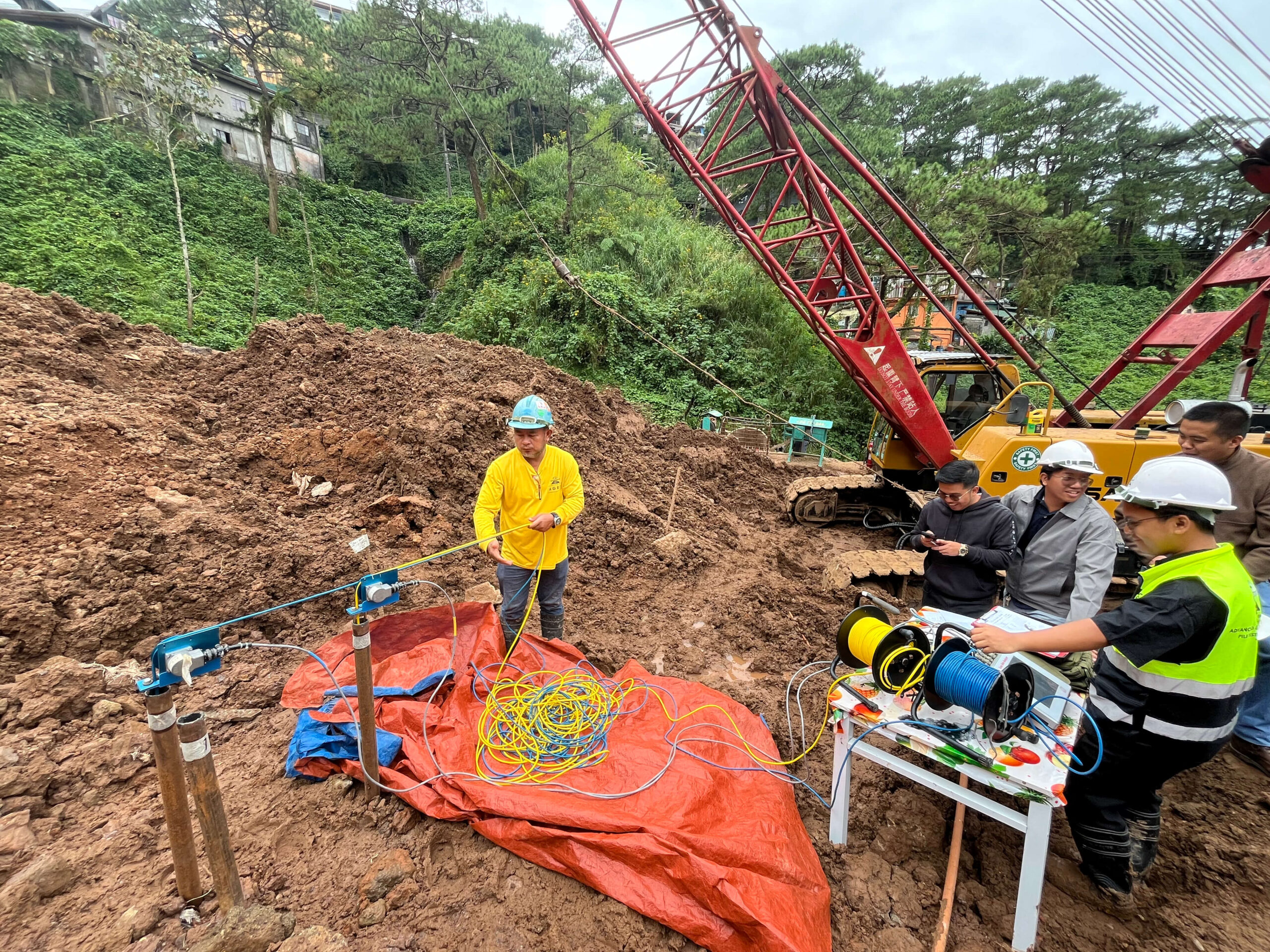
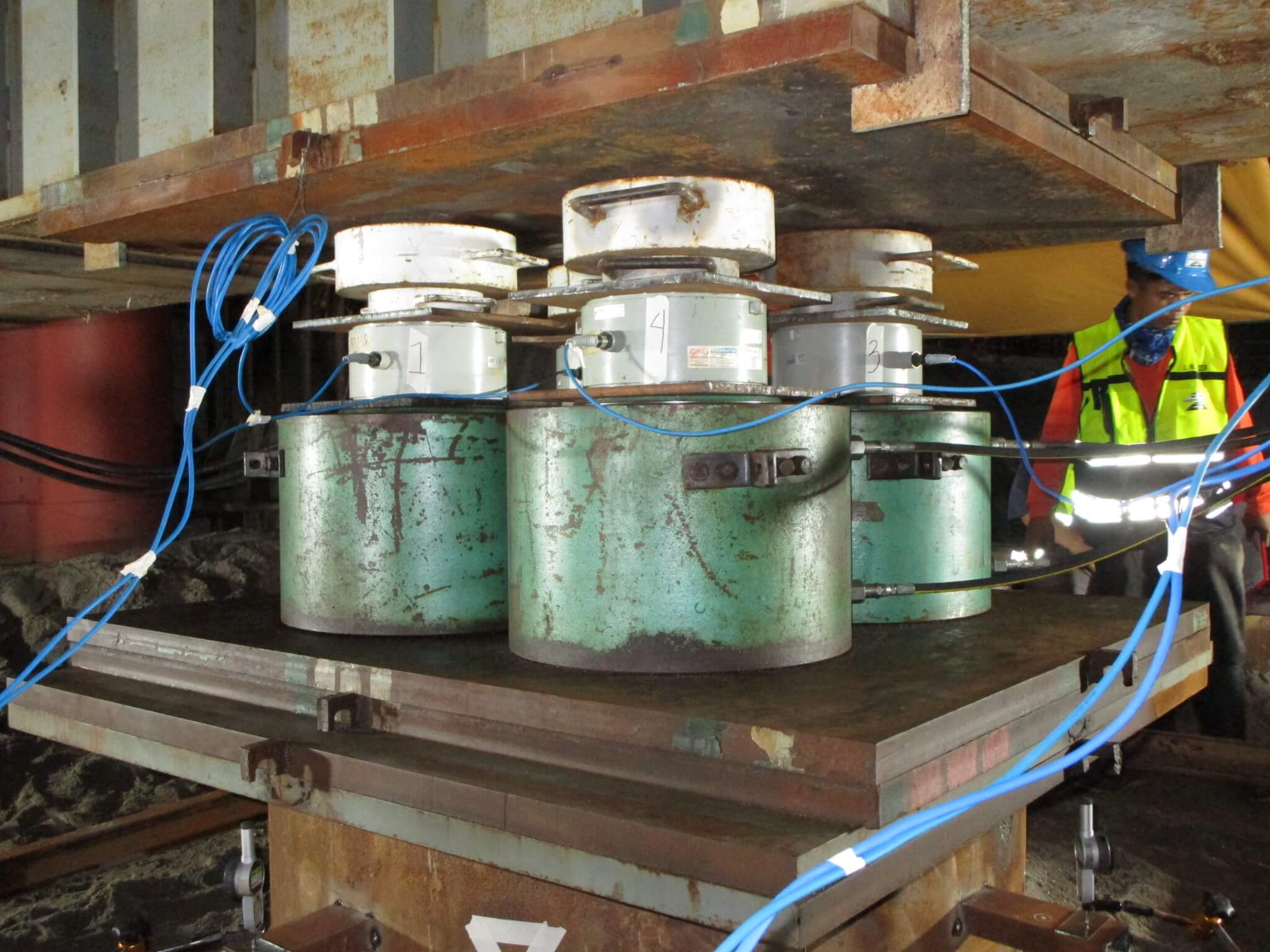
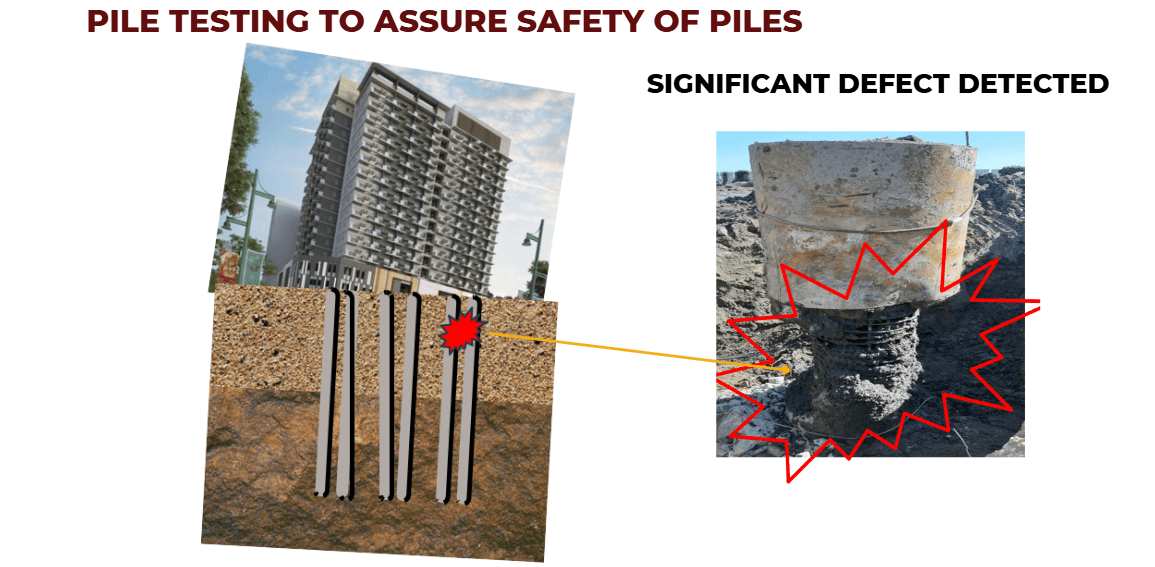
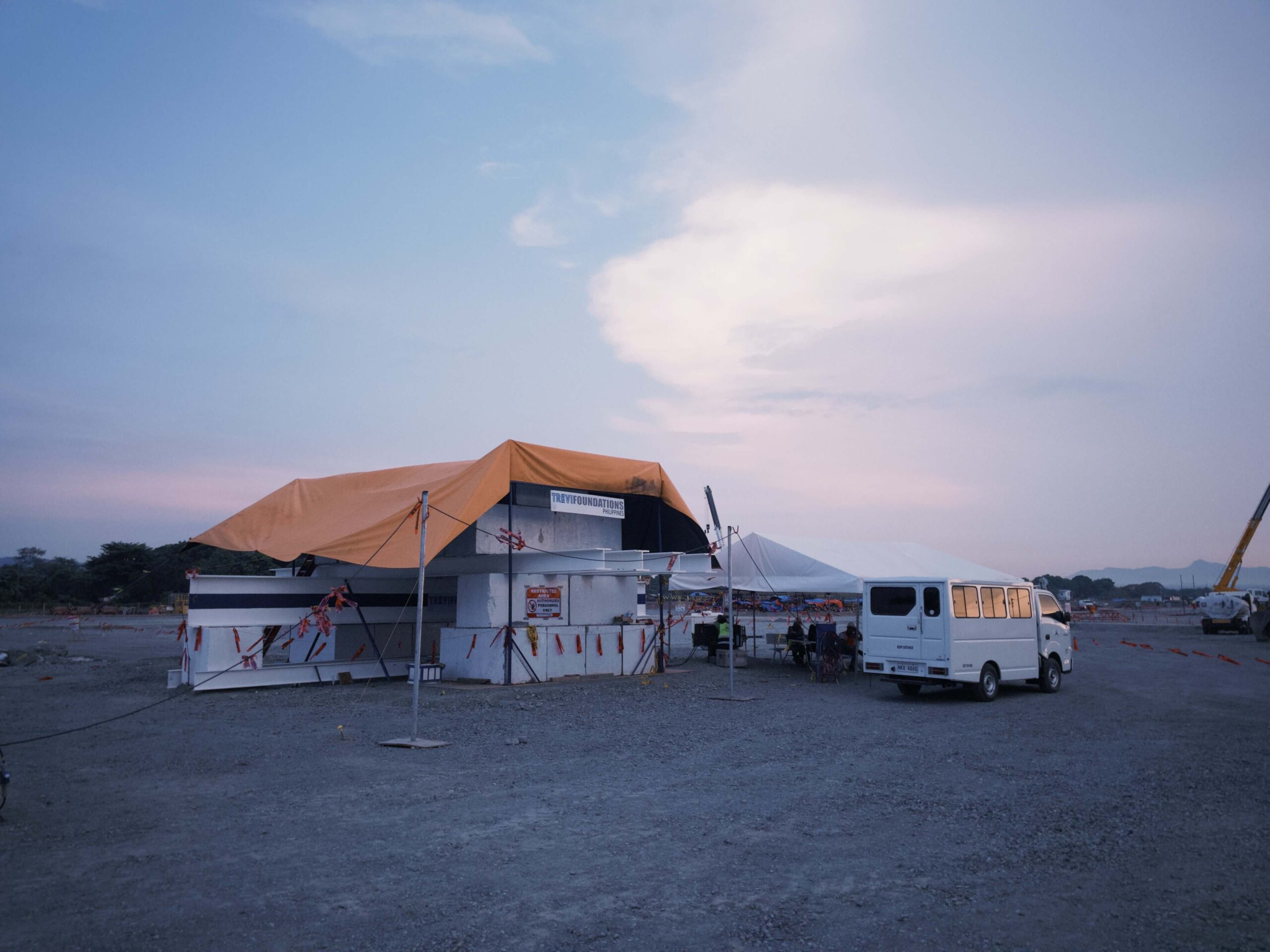
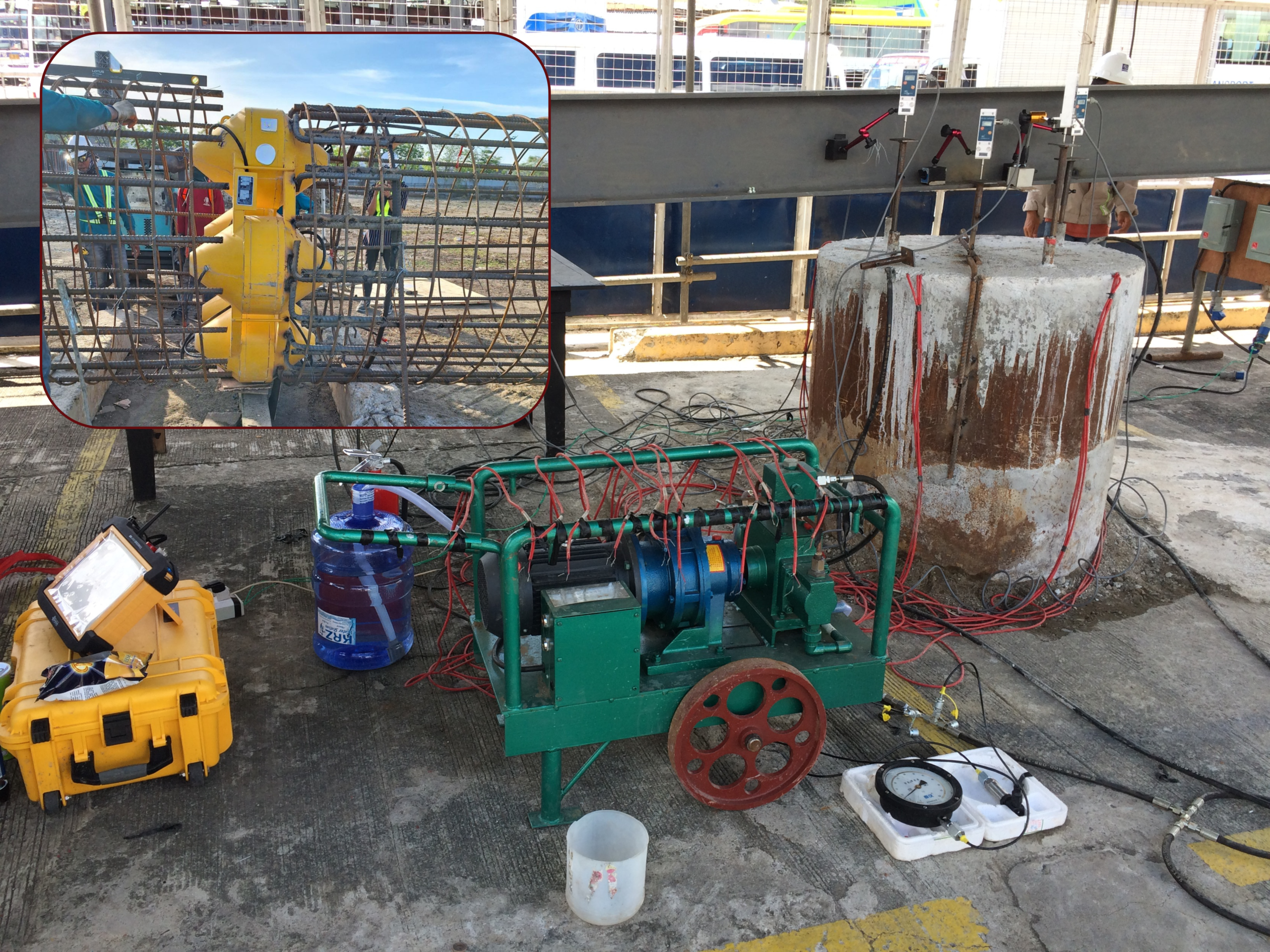
To verify that installed piles meet project requirements, engineers often perform Dynamic Pile Testing or Pile Dynamic Analysis Test (PDA) and, where necessary, Static Load Testing. These methods help evaluate pile capacity, driving performance, and overall foundation behavior, providing confidence that the installed piles can safely support the intended structure.
Successful driven pile installation depends on more than simply reaching the required depth. Through careful planning, experienced field supervision, and comprehensive pile testing, engineers can overcome installation challenges and deliver safe, reliable foundation systems for a wide range of construction projects.