The performance of a bored pile depends not only on its design but also on the quality of its construction. Even when proper procedures are followed, variations in the site conditions, workmanship, or concrete placement can sometimes result in defects that affect foundation performance. Identifying these issues early is an important part of quality assurance for deep foundation systems.
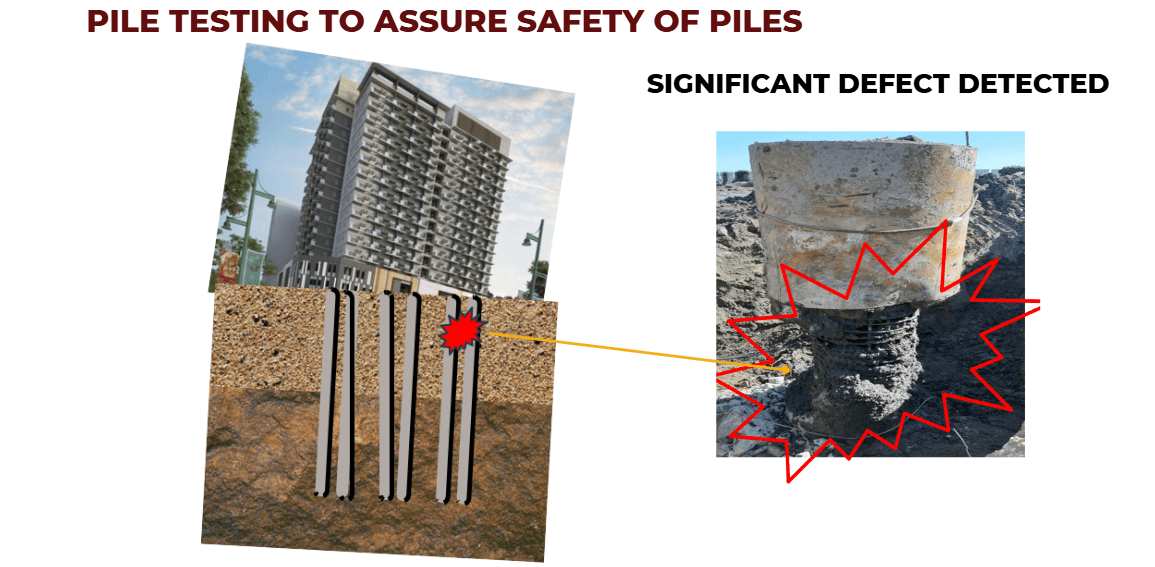
One of the most common defects is necking, where portions of the pile have a reduced cross-sectional area due to soil contamination movement, inadequate concrete placement, or construction interruptions. This reduction may decrease the pile’s load-carrying capacity.
Another potential issue is concrete segregation, which occurs when the concrete’s components separate during placement. Segregation can create weak zones within the pile and compromise its structural integrity.
Engineers also monitor for voids, soil inclusions, and honeycombing, all of which may develop if excavation stability is lost or if concrete placement is interrupted. Misalignment of the reinforcement cage or improper positioning during installation may also affect the overall performance of the foundation.
Because these defects are often concealed within the completed pile, visual inspection alone is not sufficient. Instead, engineers rely on specialized destructive and non-destructive testing methods to evaluate pile quality.
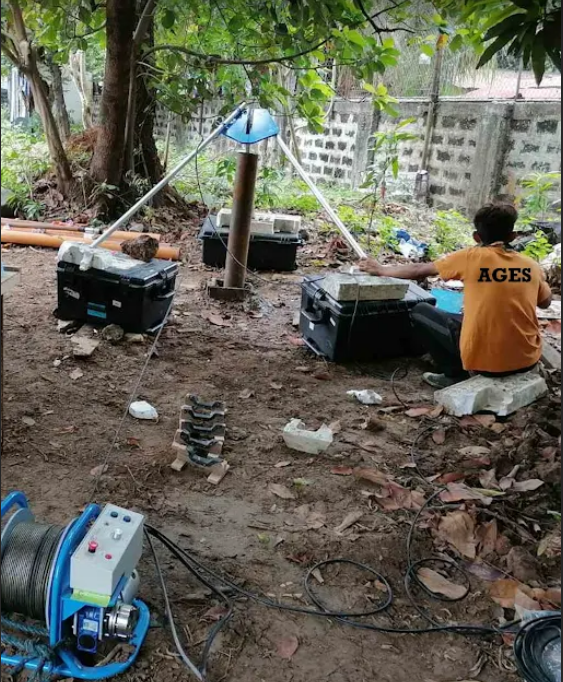
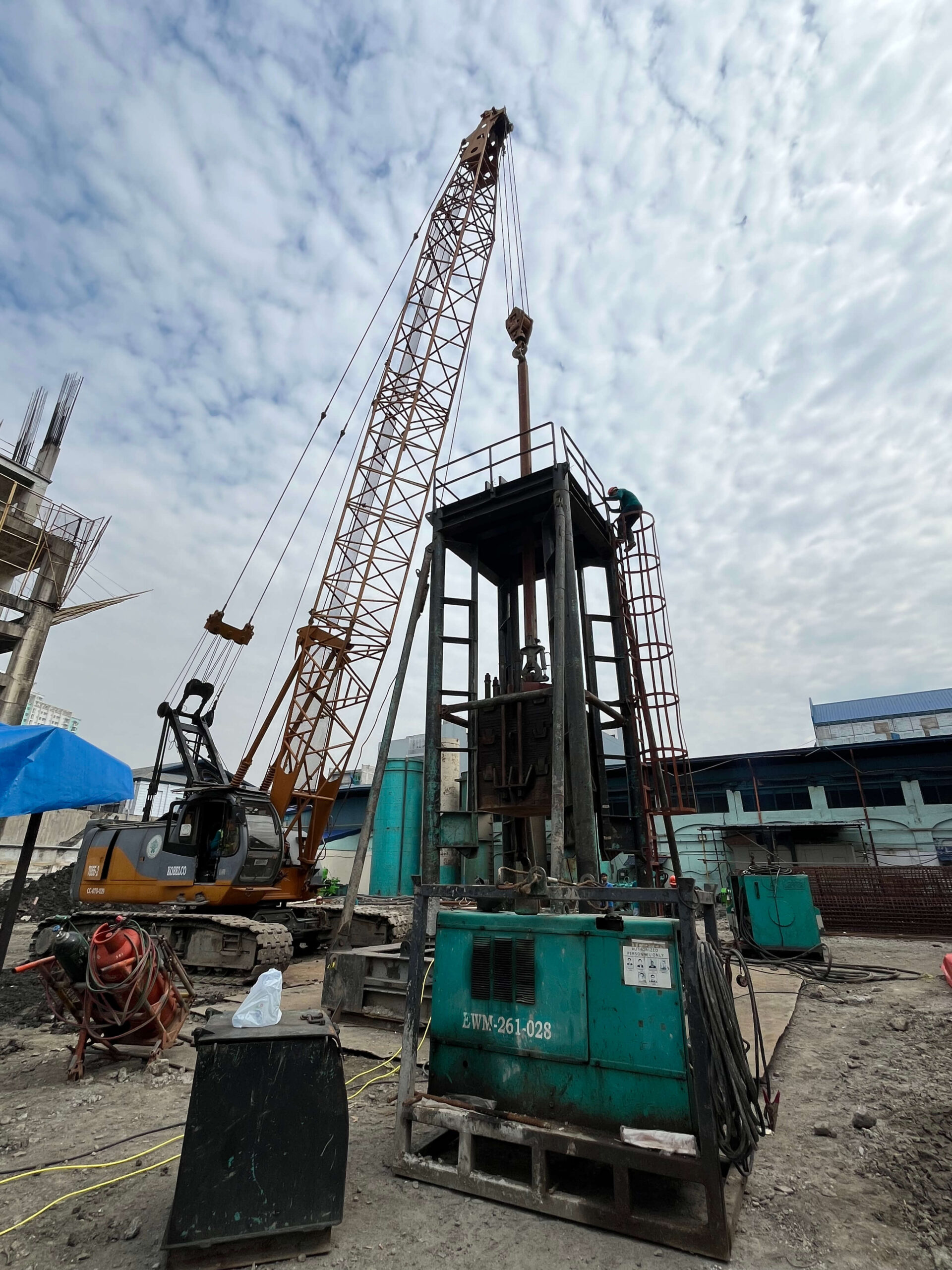
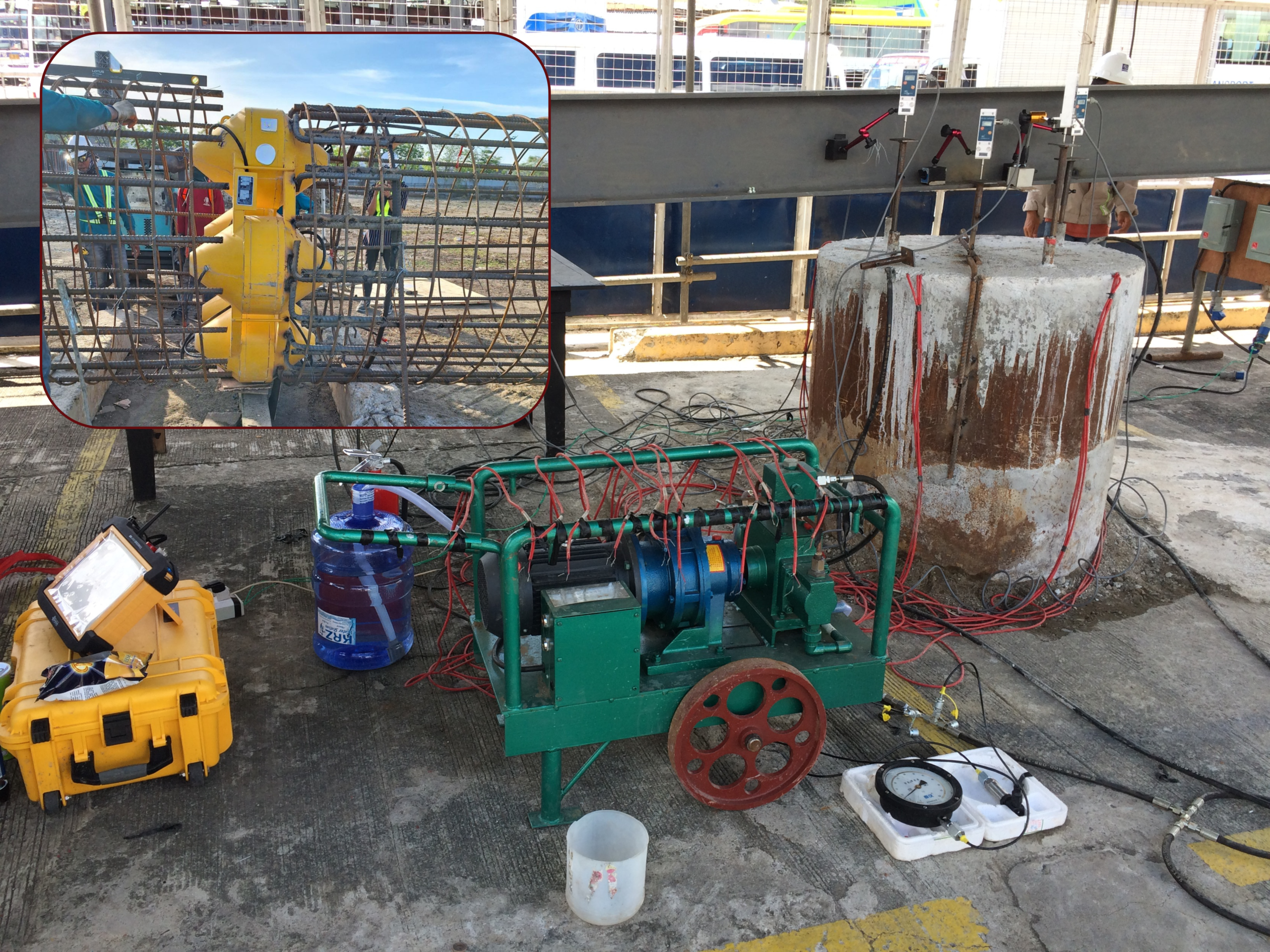
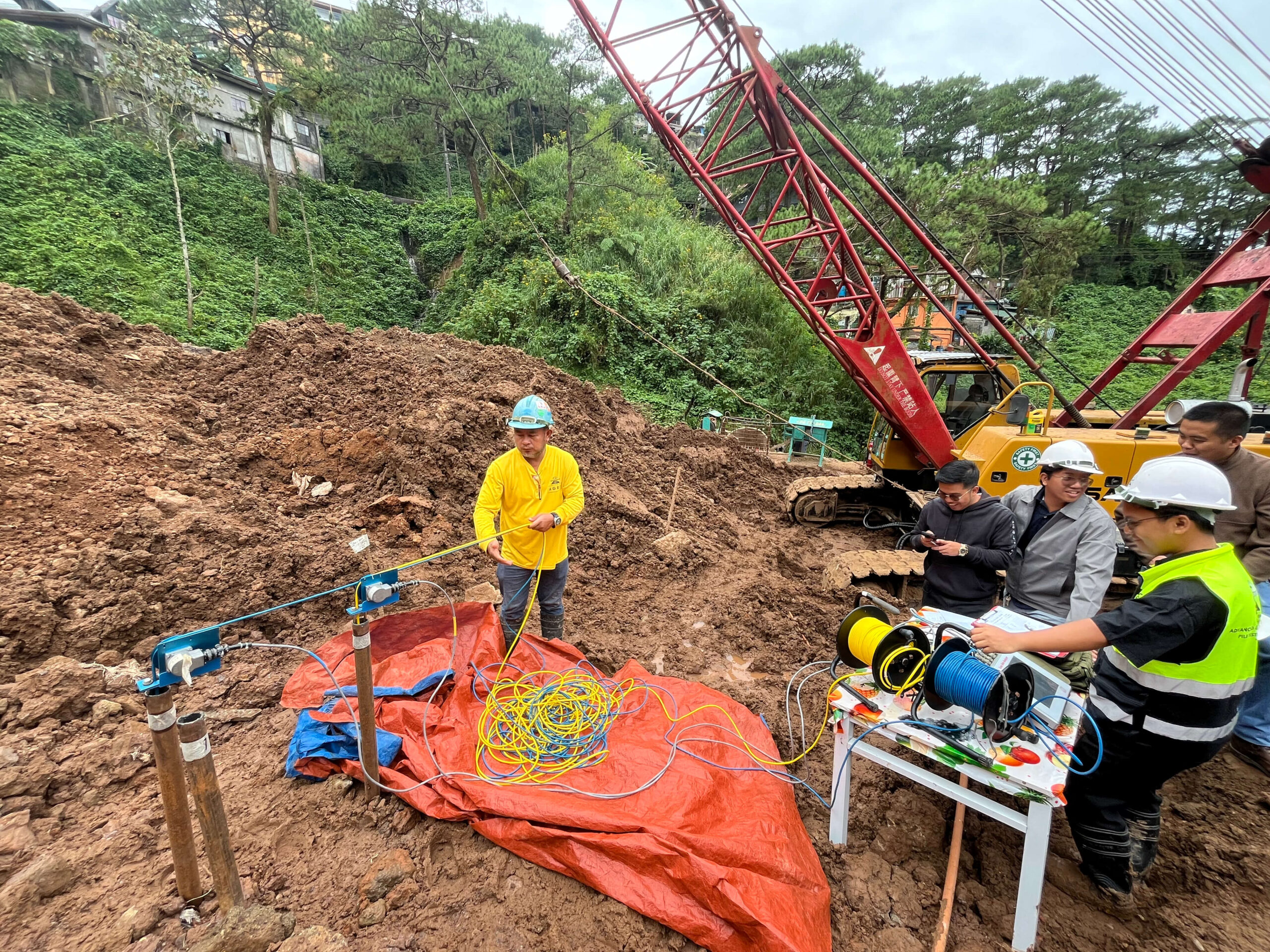
Pile Integrity Testing (PIT) uses low-strain stress waves to assess pile continuity and identify possible defects along the pile shaft. For larger bored piles, Crosshole Sonic Logging (CSL) provides additional information by transmitting ultrasonic waves between access tubes embedded within the concrete, allowing engineers to detect internal anomalies such as voids or poorly consolidated concrete. While the Pile Dynamic Analysis (PDA) is a destructive testing, with proper testing procedures it does not really damage the pile while getting information about the pile capacity and also the integrity.
By combining proper construction practices with advanced testing methods, engineers can identify potential concerns before they affect the performance of the completed structure. This proactive approach supports safer construction, reduces the likelihood of costly remedial work, and helps ensure that foundation systems meet project requirements.