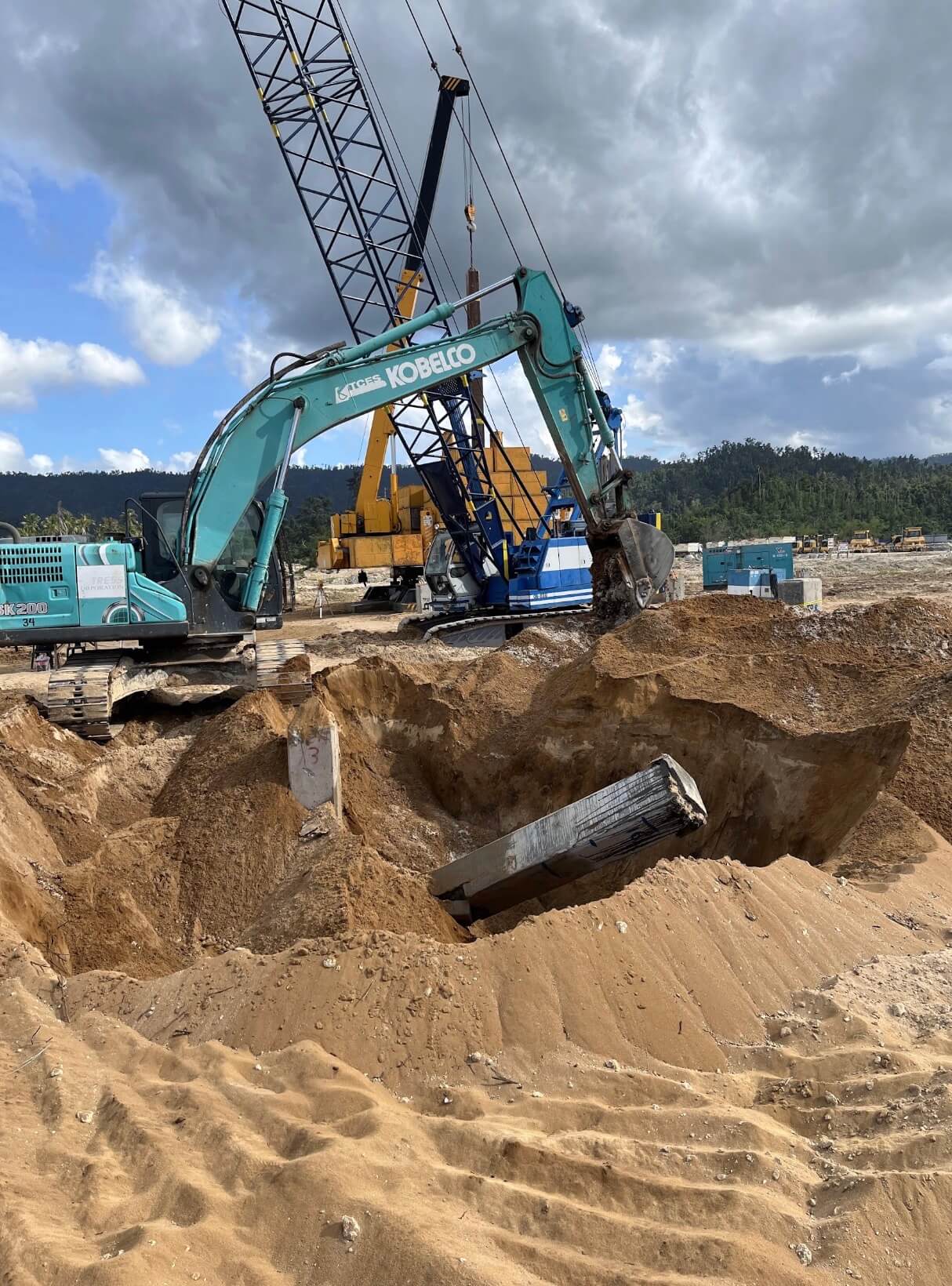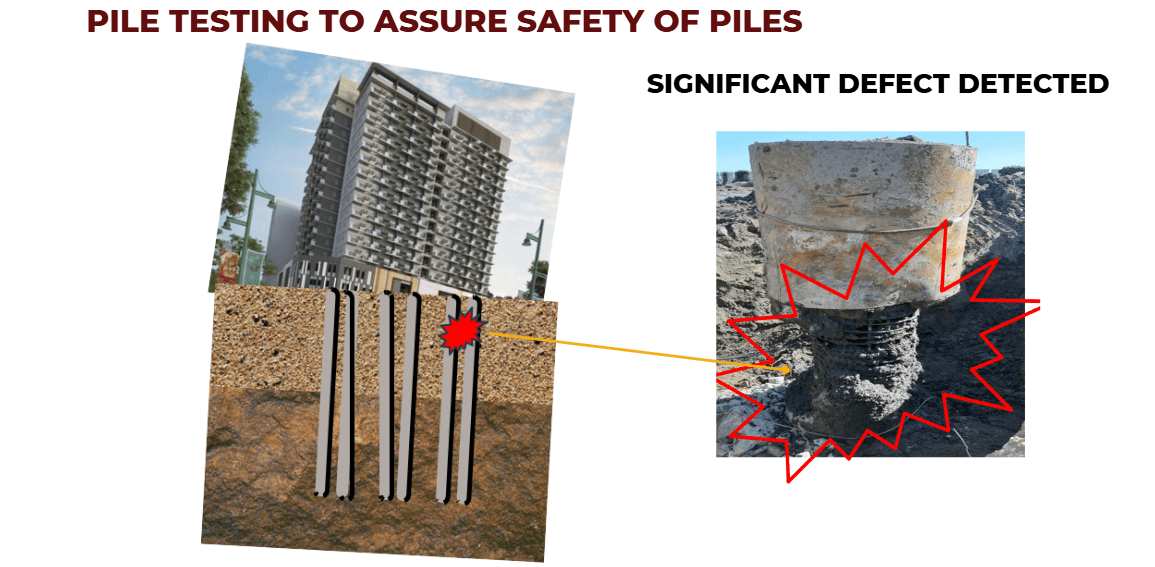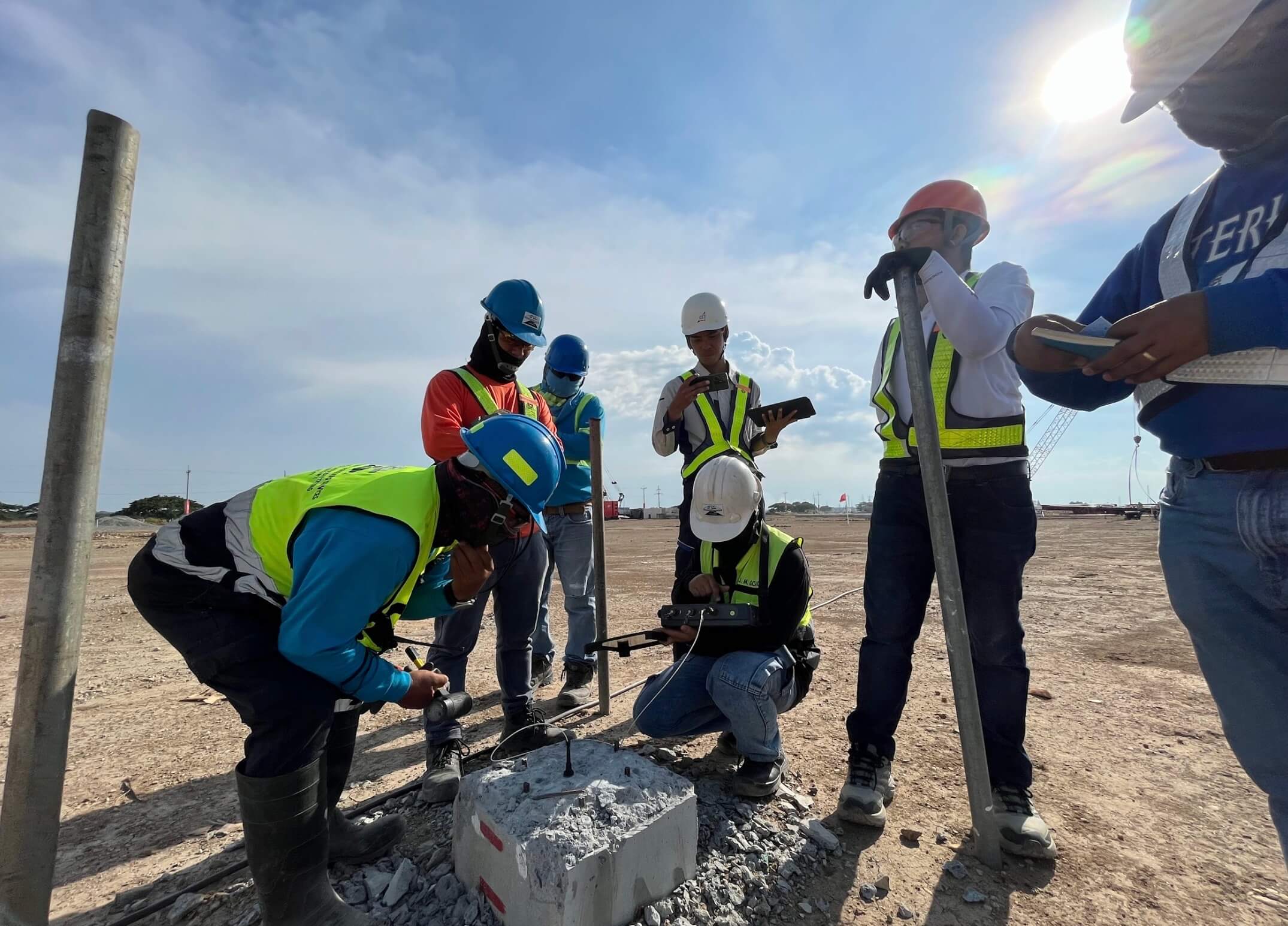
Foundation defects are impossible to detect through visual inspection alone. While a pile may appear structurally above ground, hidden imperfections within the concrete can affect its long-term performance. This is where the Low Strain Pile Integrity Testing (PIT) plays an important role.
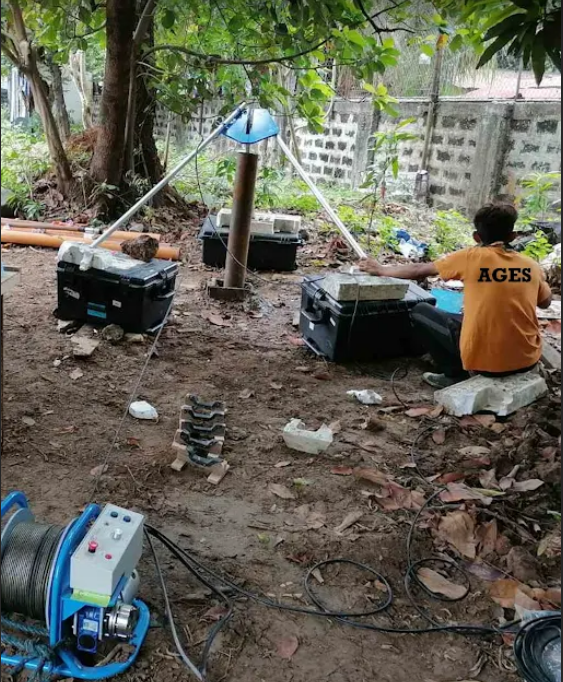
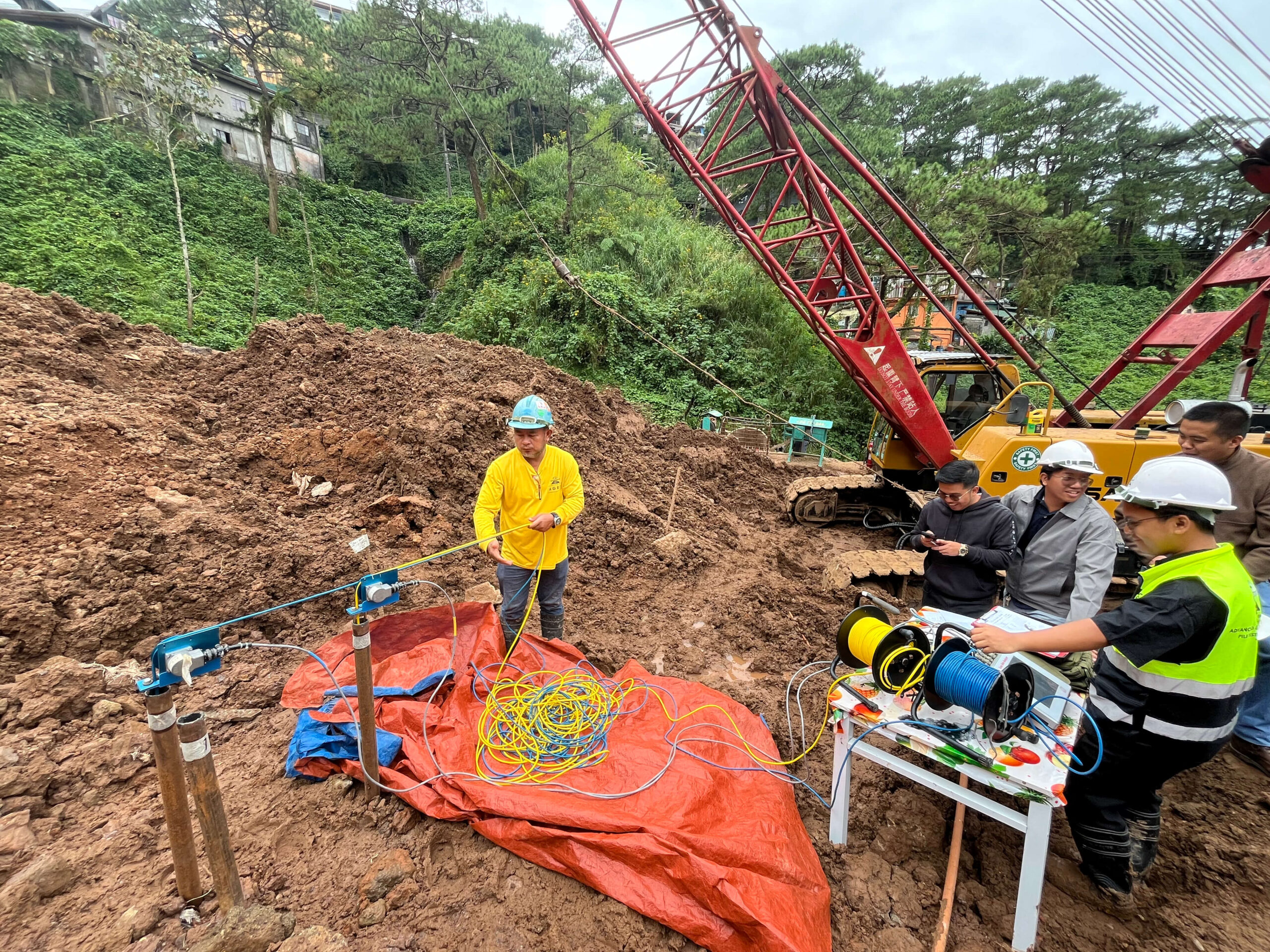
Pile Integrity Testing (PIT) is a non-destructive method that evaluates the continuity and condition of concrete piles. By analyzing stress waves generated through a controlled impact, engineers can identify potential defects such as voids, cracks, necking, or changes in pile geometry without damaging the structure.
Early detection offers significant advantages. Identifying defects before construction progresses allows project teams to investigate issues, implement corrective measures, and avoid more extensive repairs later in the project lifecycle.
Beyond reducing repair costs, Pile Integrity Testing (PIT) also minimizes delays caused by unexpected foundation problems. Reliable test results provide engineers with greater confidence that installed piles meet project specifications and are capable of performing as intended.
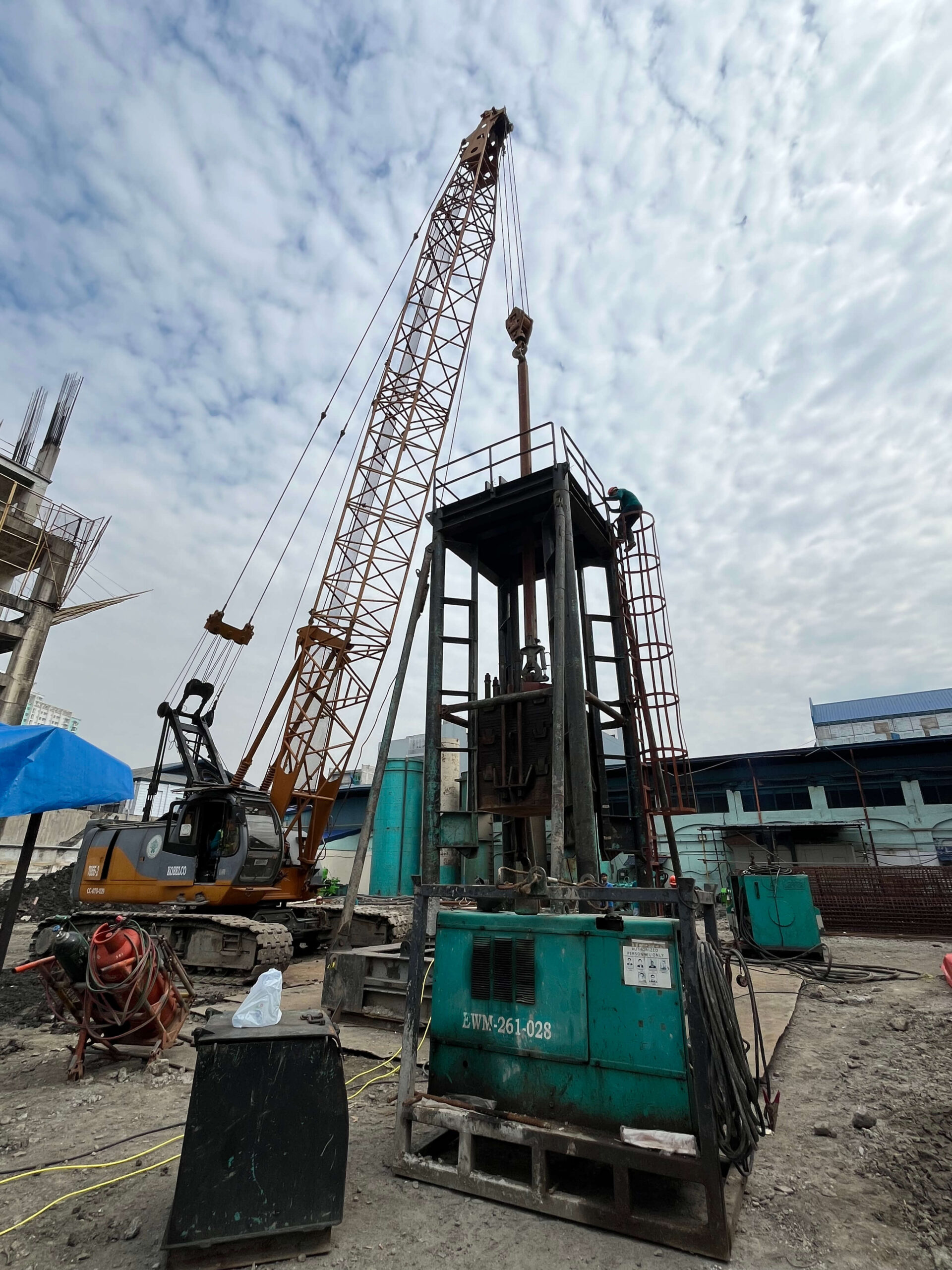
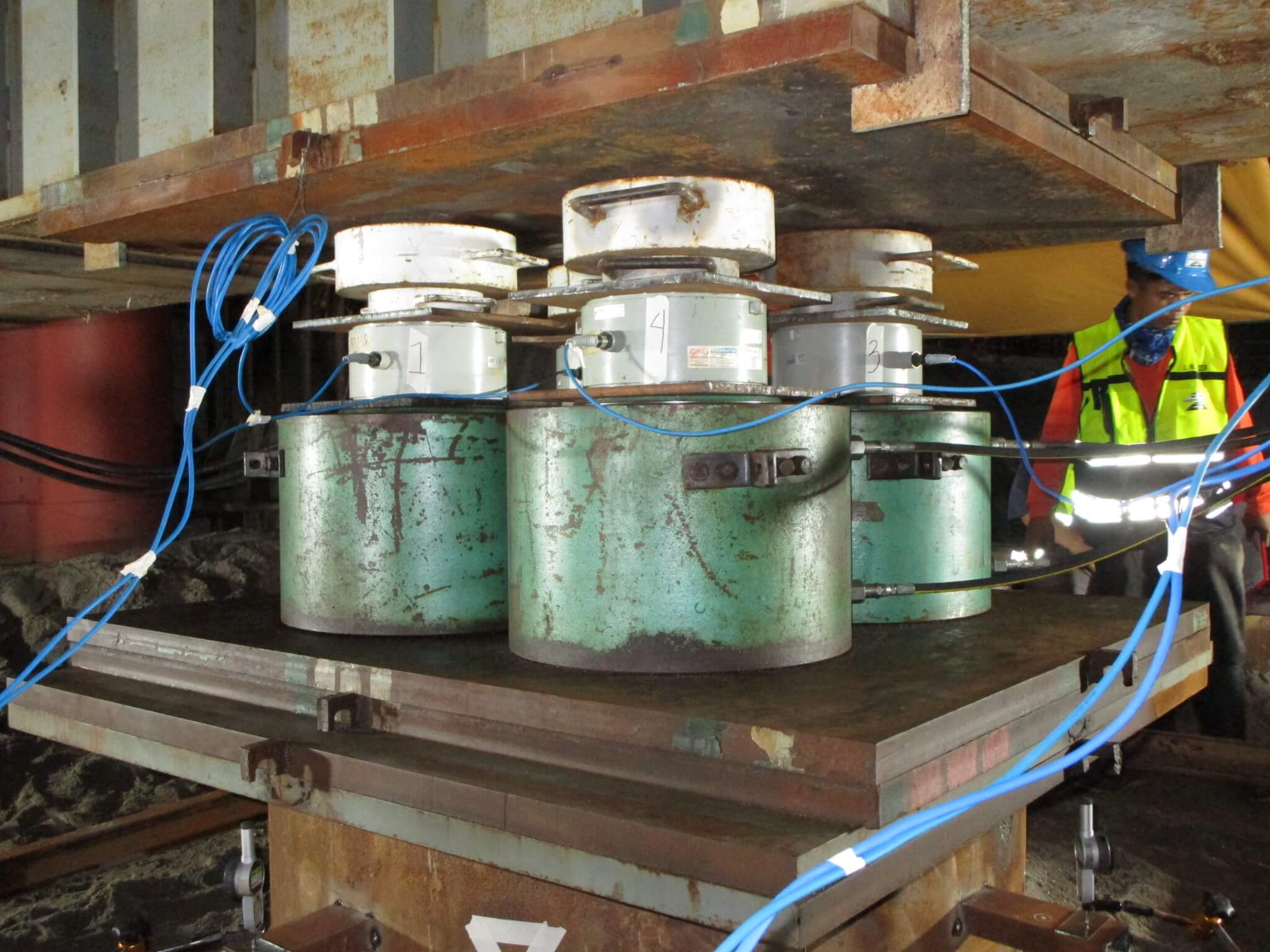
Pile Integrity Testing (PIT) is commonly incorporated into quality assurance programs for commercial buildings, bridges, industrial developments, and public infrastructure. When combined with other evaluation methods such as Pile Dynamic Analysis (PDA) or Static Load Testing (SLT), it contributed to a more comprehensive understanding of foundation performance.
Investing in foundation testing during construction is often far more economical than addressing structural issues after a project has been completed. Through proactive quality control, project owners can improve safety, reduce financial risks, and support the long-term durability of their developments.