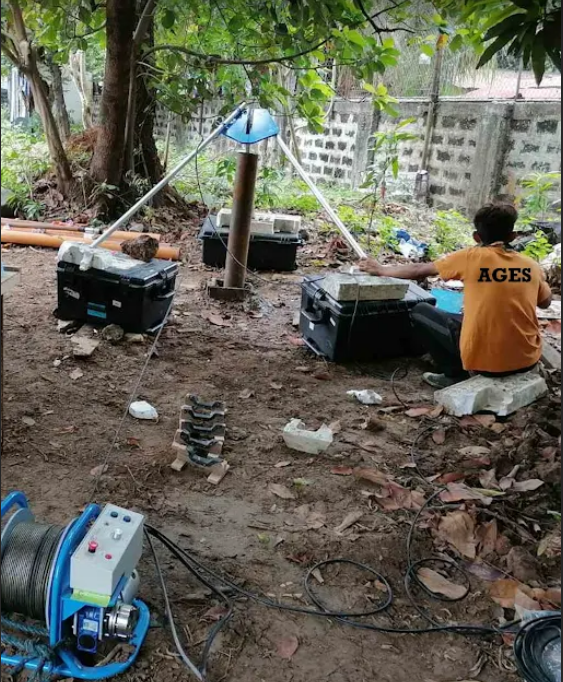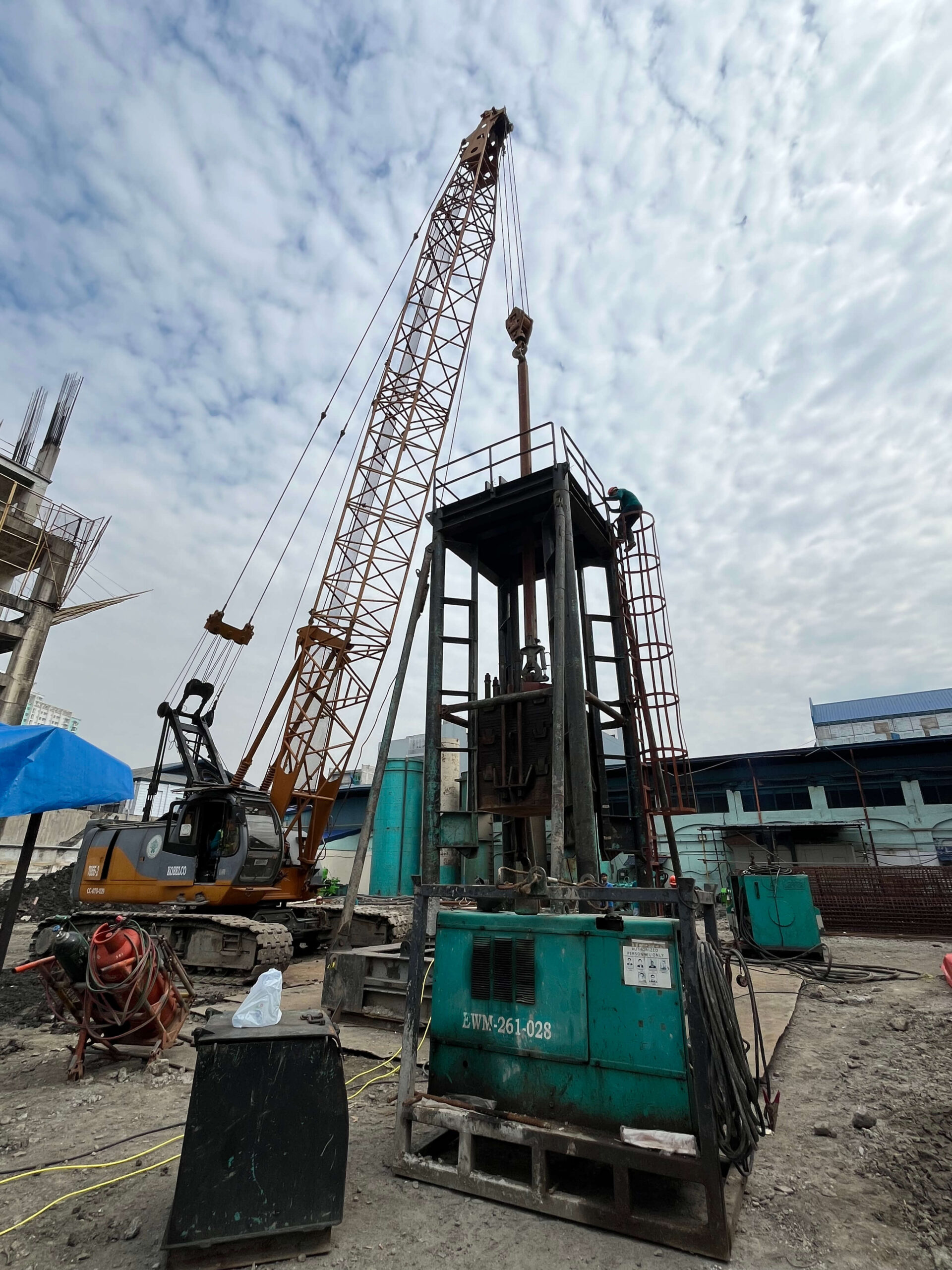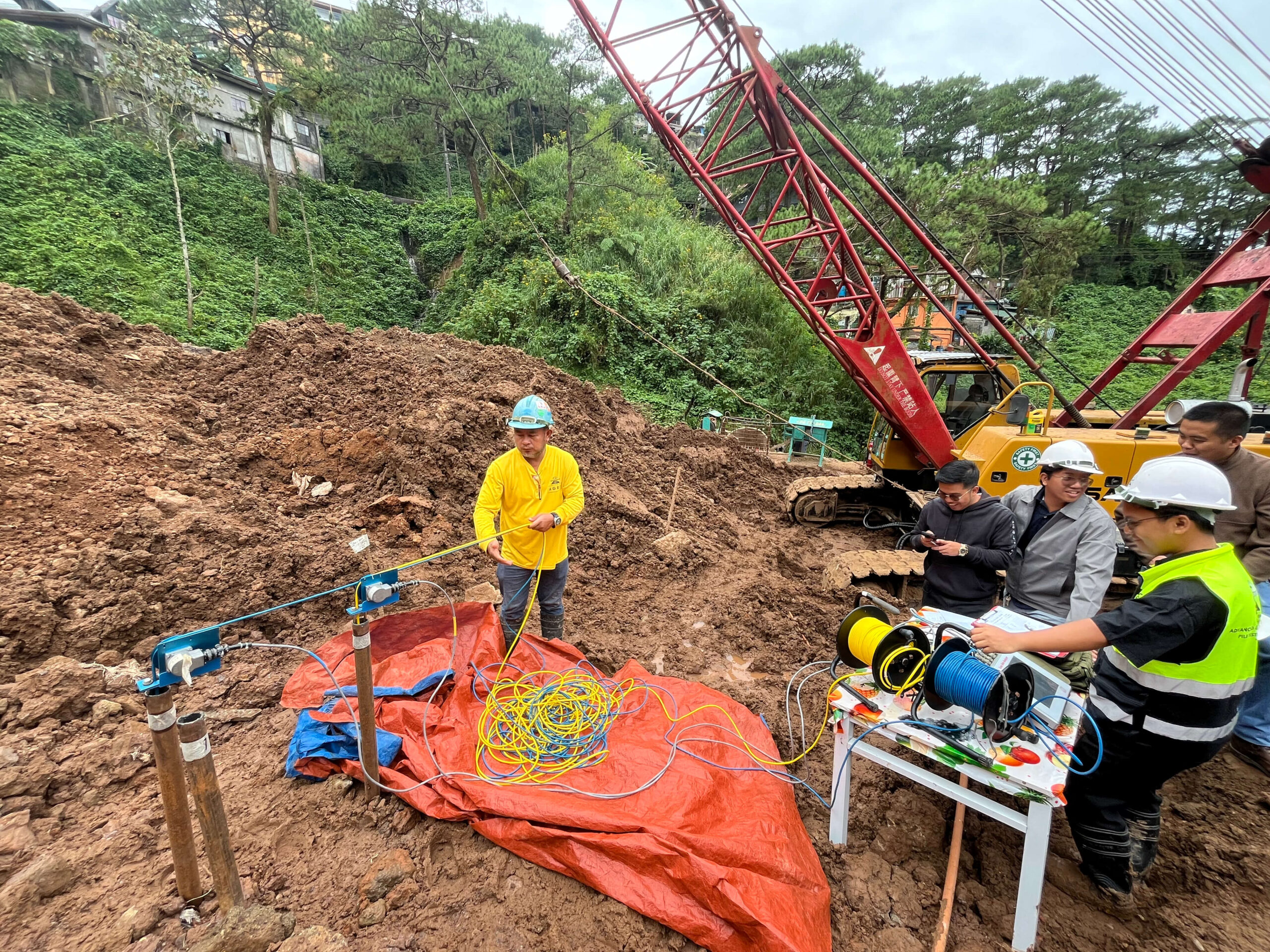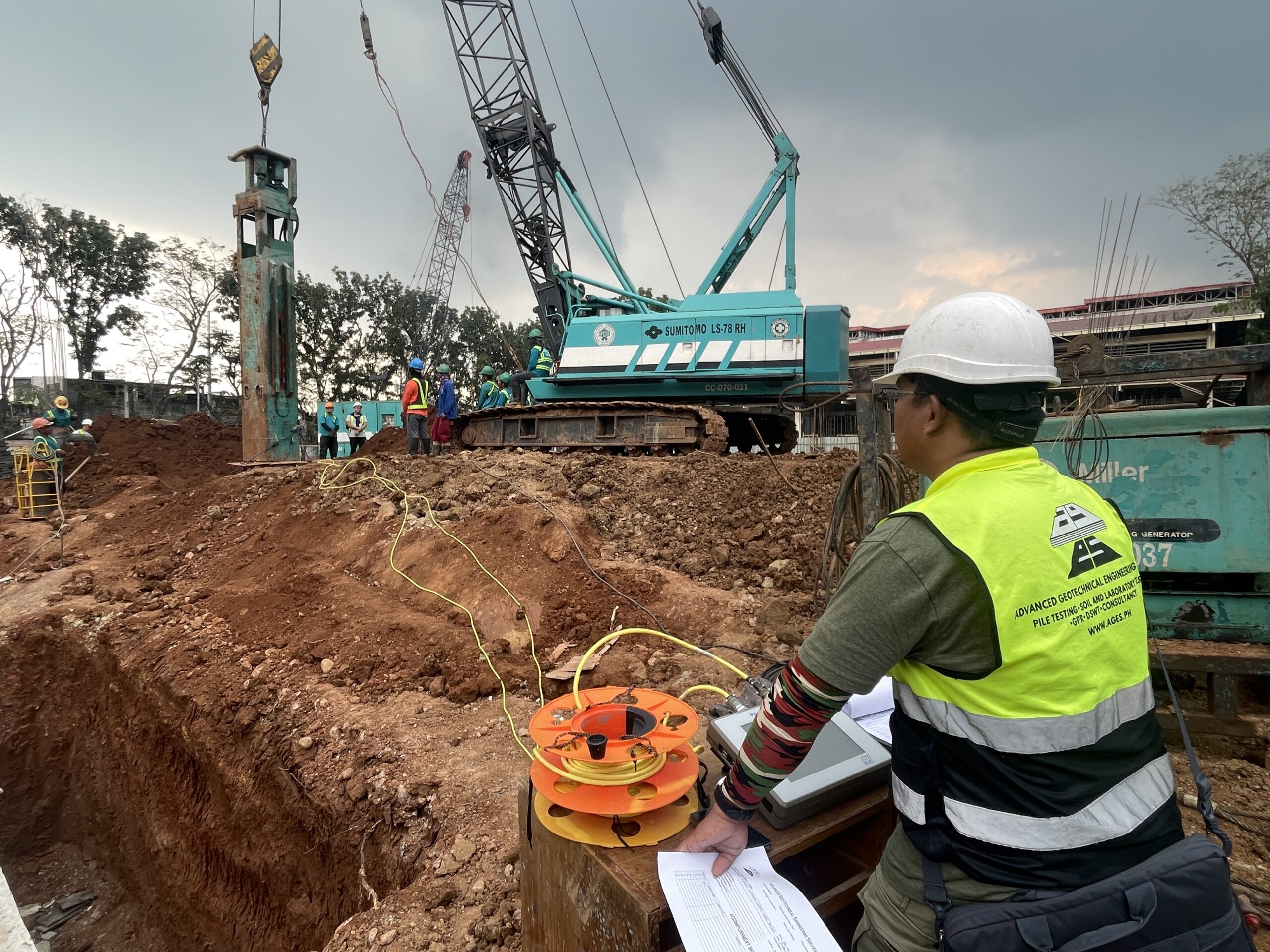
Dynamic pile testing or Pile Dynamic Analysis (PDA) has become one of the most widely used methods for evaluating foundation performance. By using advanced instrumentation and wave analysis techniques, engineers can quickly assess pile behavior and verify design assumptions.
Unlike other conventional testing methods such as the Static Load Testing, dynamic pile testing provides rapid insights into pile performance. This allows project teams to make timely decisions and keep construction schedules on track.
Because the test requires less extensive setup than many traditional methods, dynamic pile testing can be a cost-effective solution for evaluating multiple piles across a project site.
Pile Dynamic Analysis (PDA) enables engineers to estimate load-bearing capacity and determine whether foundation elements meet project requirements.
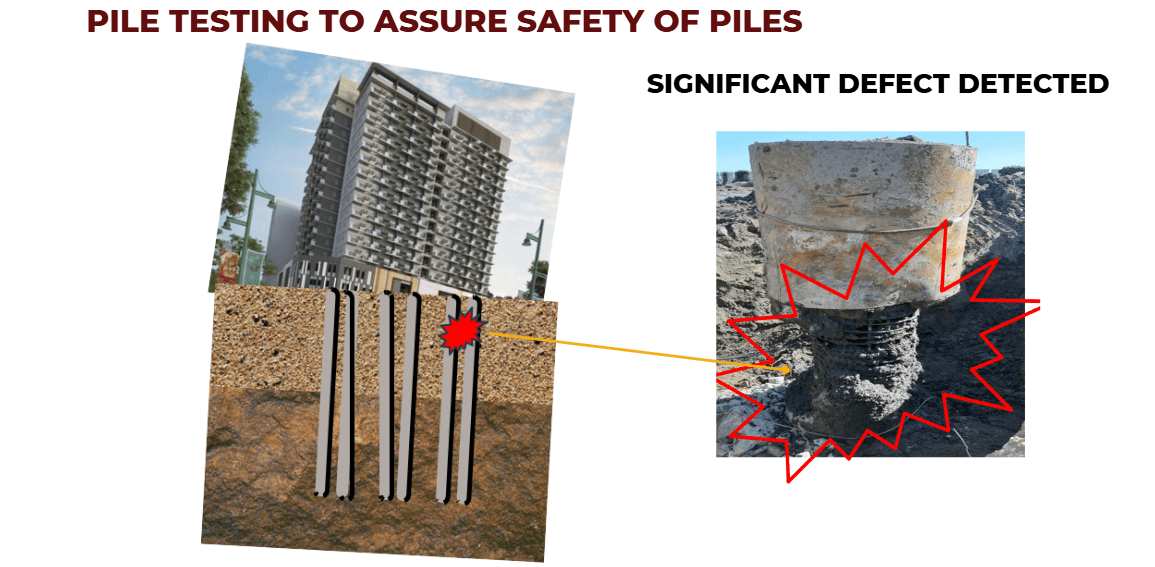
Dynamic pile testing can identify installation-related or integrity concerns and help verify that piles have been driven or installed correctly.
Reliable testing data reduces uncertainty and supports informed engineering decisions. This can minimize risks associated with foundation performance and long-term structural stability. Since this is also quicker to conduct, more tests can be carried out providing more samples in the entire population of piles. Normally 10-15% are done out of the total number of piles. Some projects have more depending on the designer’s preference and project sensitivity.
For infrastructure, industrial, and commercial developments, dynamic pile testing or Pile Dynamic Analysis (PDA) remains a valuable tool for balancing efficiency, safety, and quality assurance throughout the construction process.