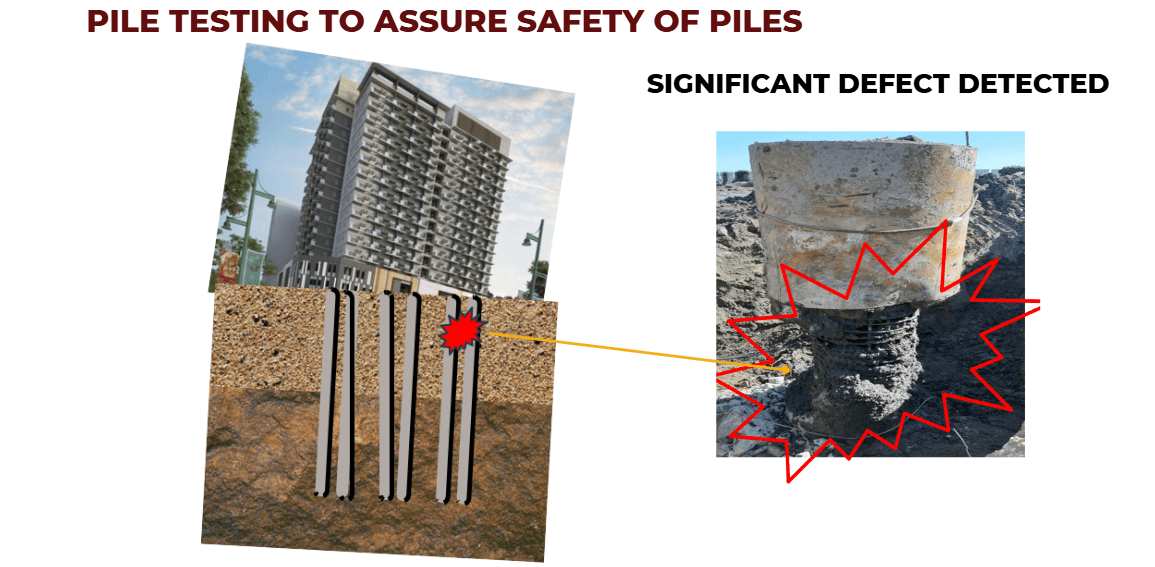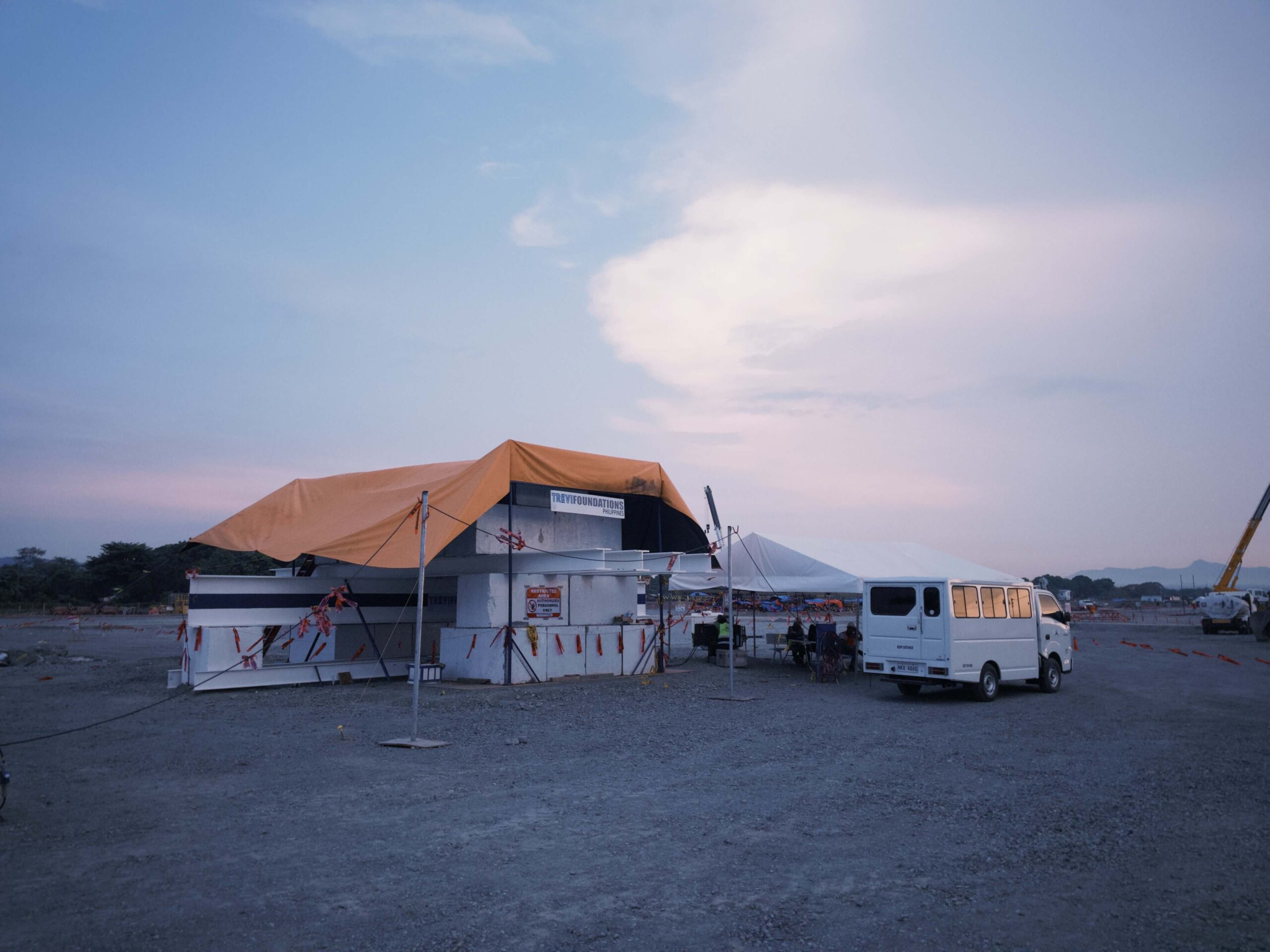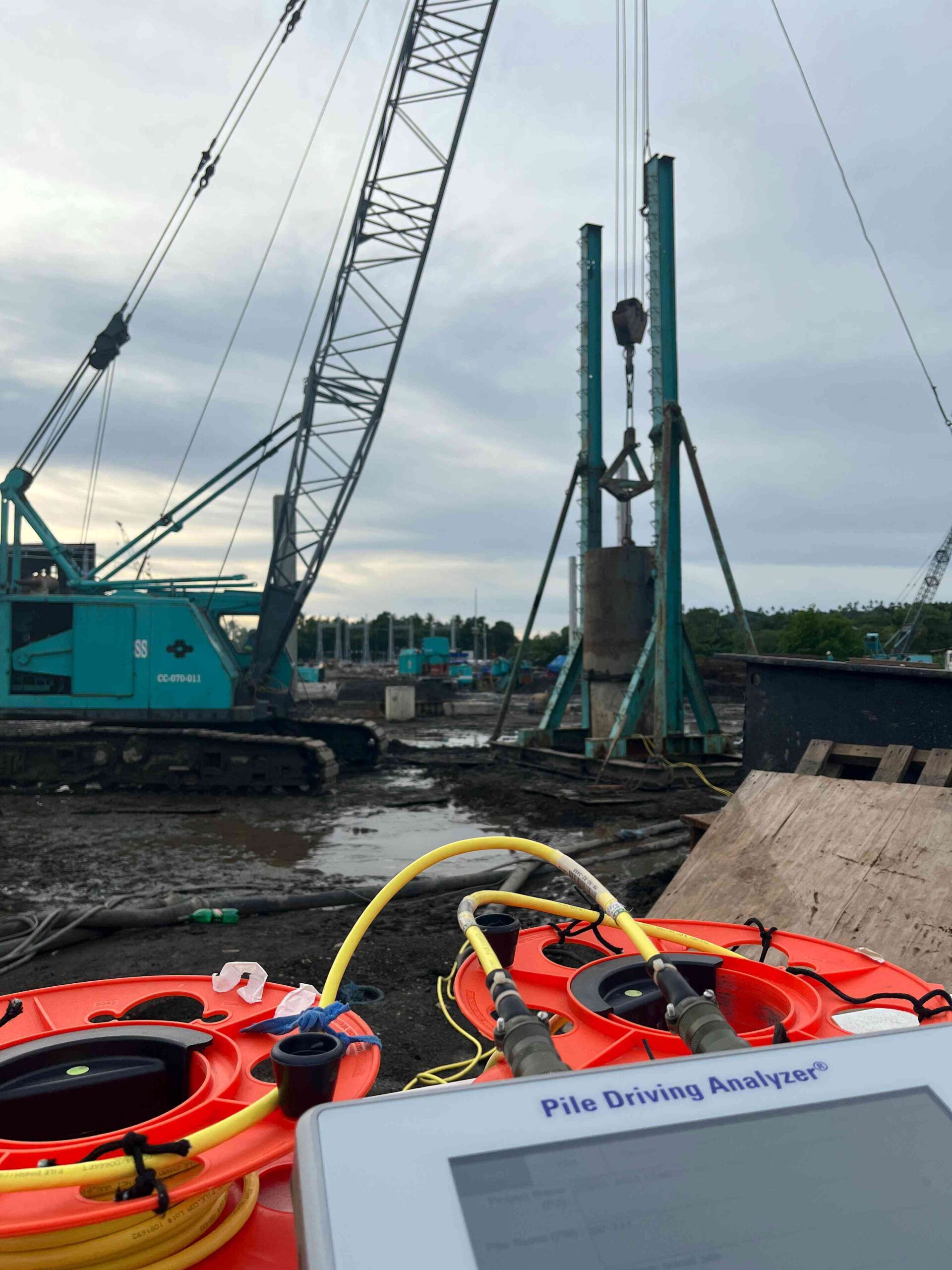
Dynamic pile testing is a widely used method for evaluating the load-bearing capacity and structural integrity performance of foundation piles. Also known as a Pile Dynamic Analysis (PDA) test, this technique helps engineers assess whether a pile can safely support the loads required by a structure.
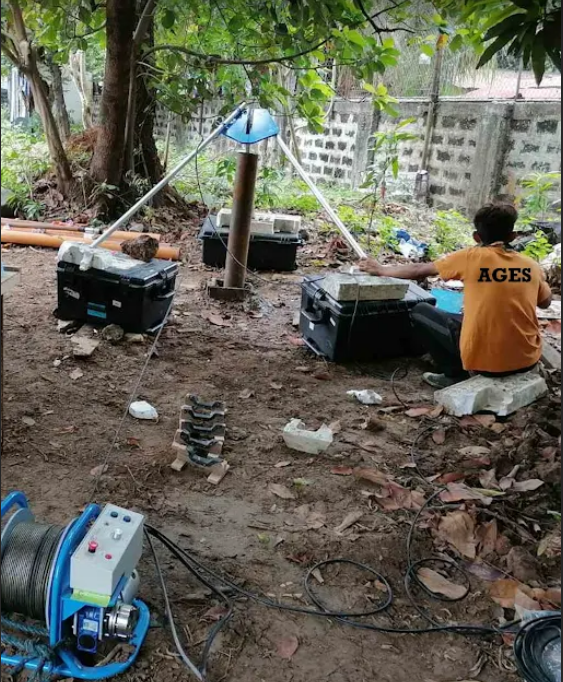
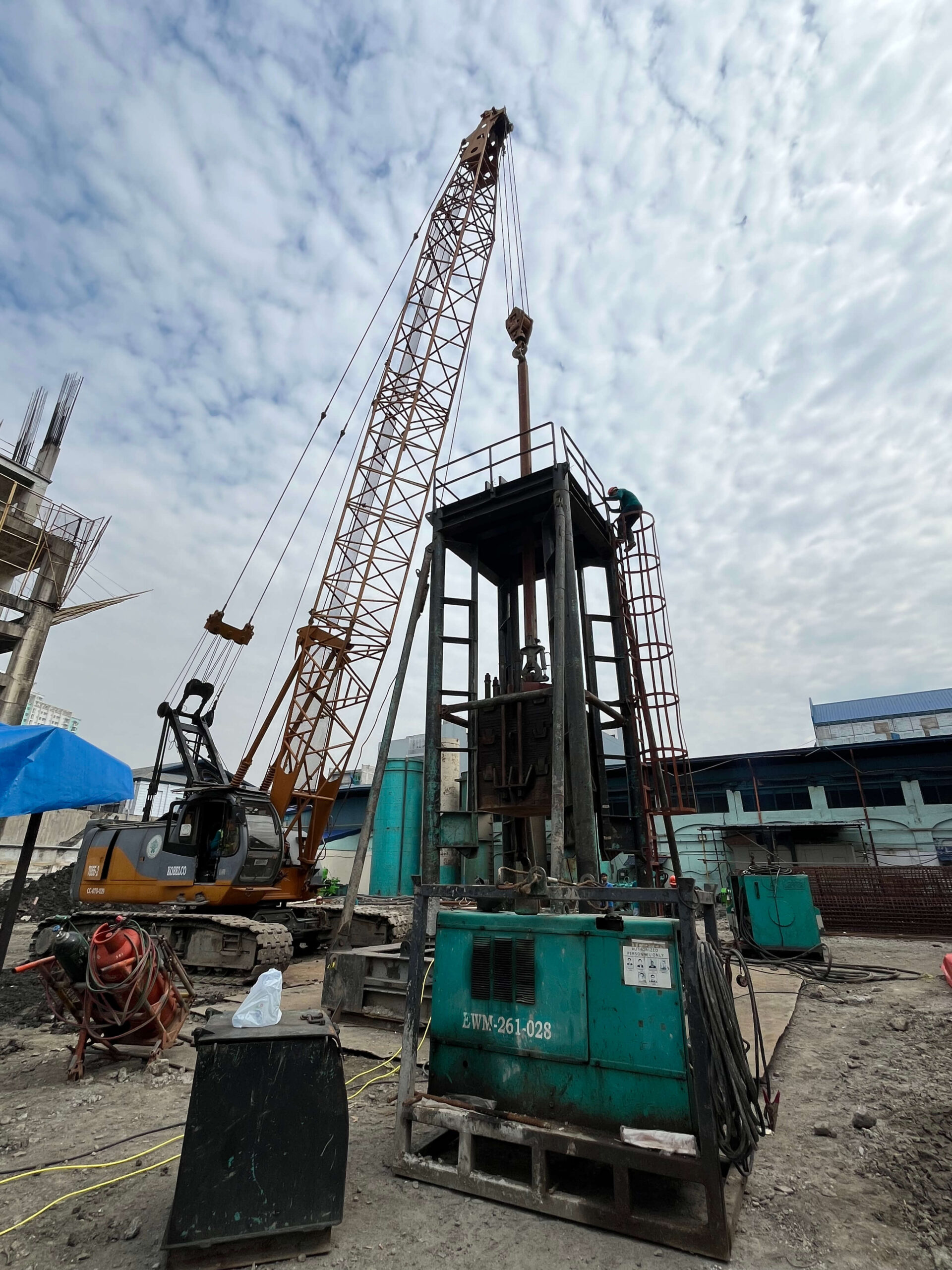
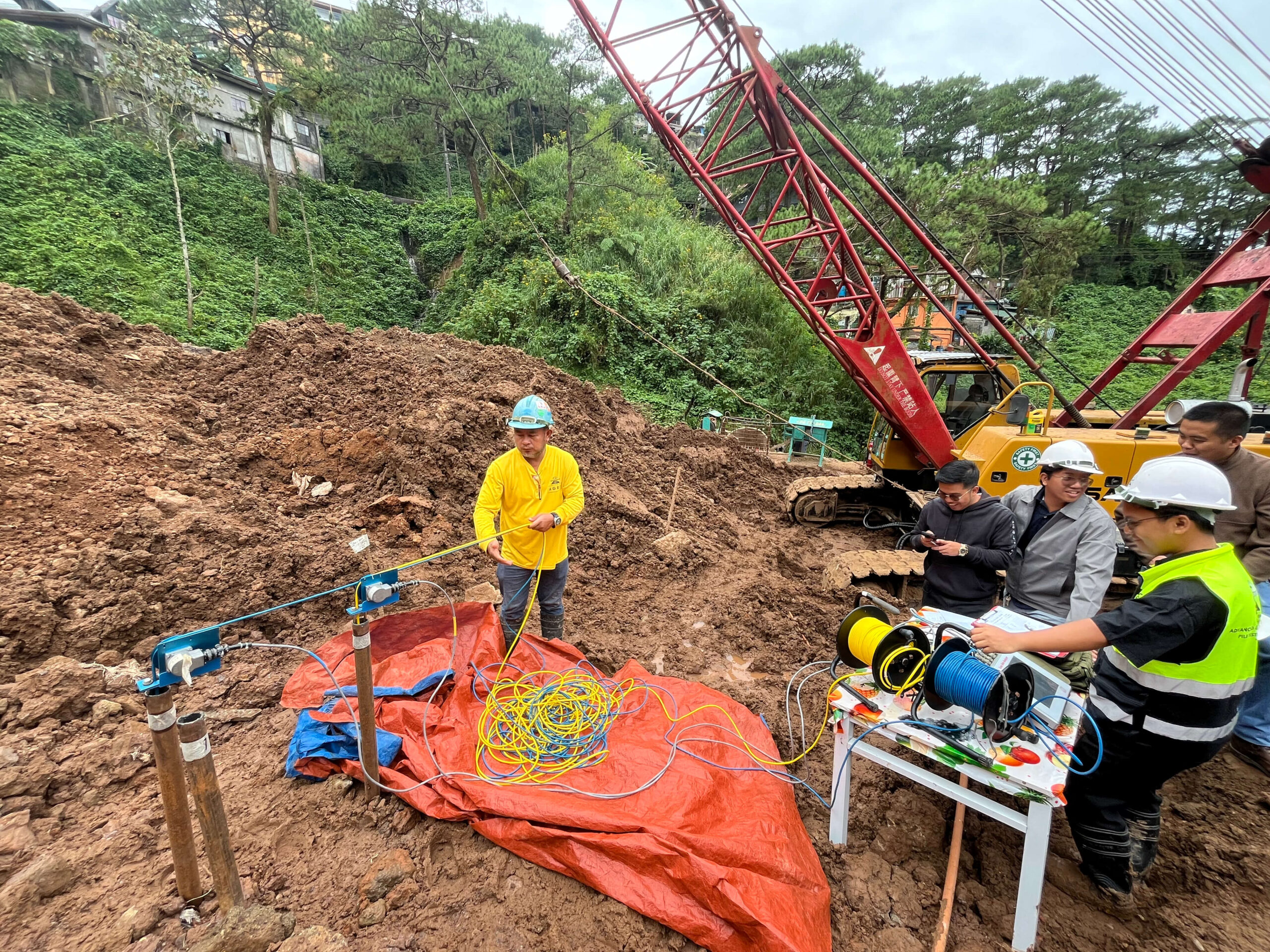
Unlike traditional testing methods (static load testing, or SLT) that may require large reaction systems and extended testing periods, dynamic pile testing uses controlled impact forces applied to the pile head. Sensors attached to the pile measure force and velocity, allowing engineers to analyze the pile’s behavior and estimate its load capacity. This process provides valuable information regarding pile integrity, foundation reliability, and even hammer or driving performance.
One of the main advantages of pile dynamic analysis is speed. Engineers can obtain results much faster compared to conventional static load testing methods, making it an efficient solution for infrastructure, commercial, industrial, and bridge construction projects. Dynamic pile testing is also considered a cost-effective approach because it minimizes equipment requirements while still delivering reliable performance data. It is also able to test more piles in a day compared to static load testing methods.
In the Philippines, dynamic pile testing is commonly used to verify pile capacity and ensure compliance with DPWH project specifications and also align even with international standards. As construction projects become increasingly complex with the threat of regular earthquakes and seismic events becoming more relevant, accurate foundation testing plays a critical role in reducing risk and ensuring long-term structural stability.
At AGES, dynamic pile testing or PDA is performed by globally certified (PDI / PDCA of USA) experienced engineers using advanced equipment and internationally recognized methodologies. By conducting pile dynamic analysis (PDA) , project owners and contractors can make informed decisions that contribute to safer and more efficient construction outcomes.
Whether for driven piles, bored piles, or major infrastructure developments, dynamic pile testing remains one of the most trusted methods for evaluating foundation performance.