Consistency is essential in engineering, particularly when evaluating the performance of foundation systems. To promote reliable testing practices, engineers follow internationally recognized standards developed by ASTM International.
ASTM standards establish uniform procedures for conducting, interpreting, and documenting various pile testing methods. By following standardized practices, engineers can produce consistent results while meeting project specifications and regulatory requirements.
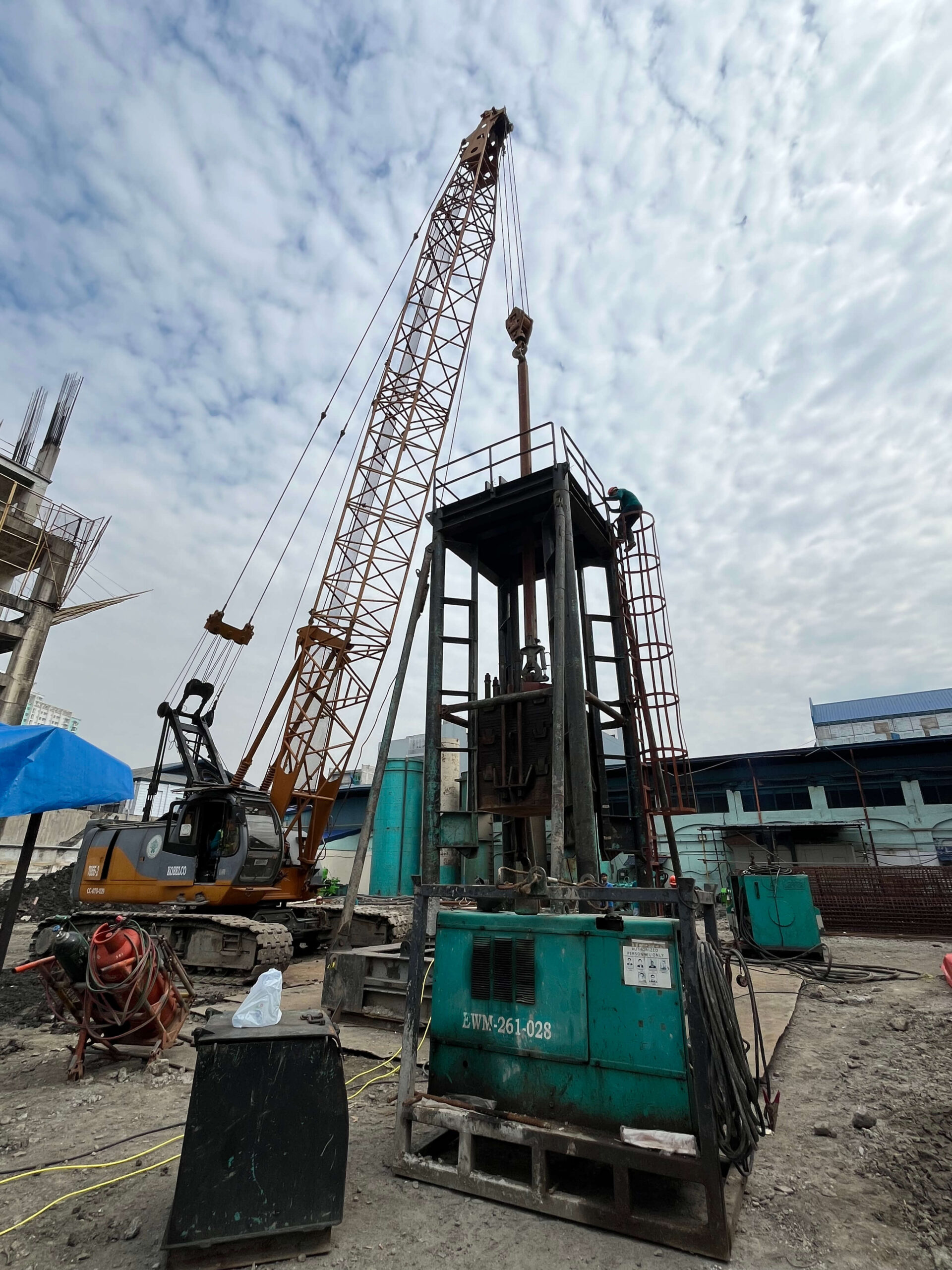
One of the most widely referenced standards is ASTM D4945, which outlines procedures for high-strain dynamic pile testing. This standard provides guidance for performing Pile Dynamic Analysis (PDA) to estimate pile capacity, pile integrity, and even evaluate driving performance plus hammer efficiency.
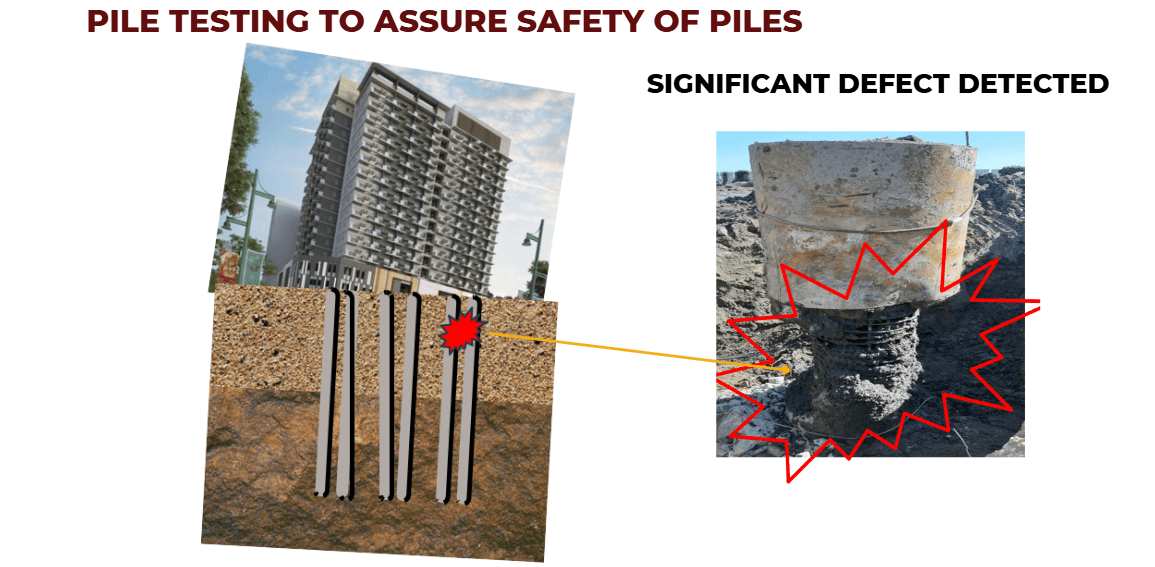
For low-strain integrity assessments, engineers commonly refer to ASTM D5882 as the standard covering Pile Integrity Testing (PIT). This method is used to detect potential discontinuities or defects within concrete foundation piles.
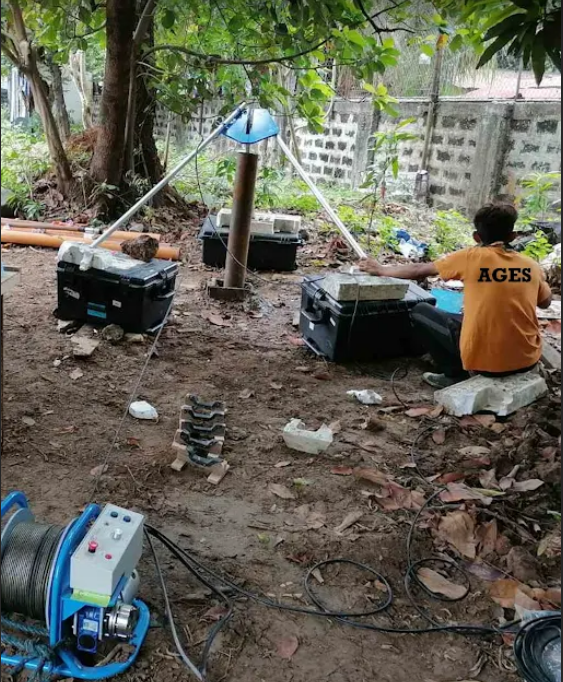
For another type of pile integrity testing method commonly used in bored piles, the Crosshole Sonic Logging Test or Ultrasonic test with ASTM 6760 uses access tubes embedded within the pile where transceiver probes are placed as it scans the pile integrity along the length of the shaft. This may also be used in diaphragm walls and secant piles.
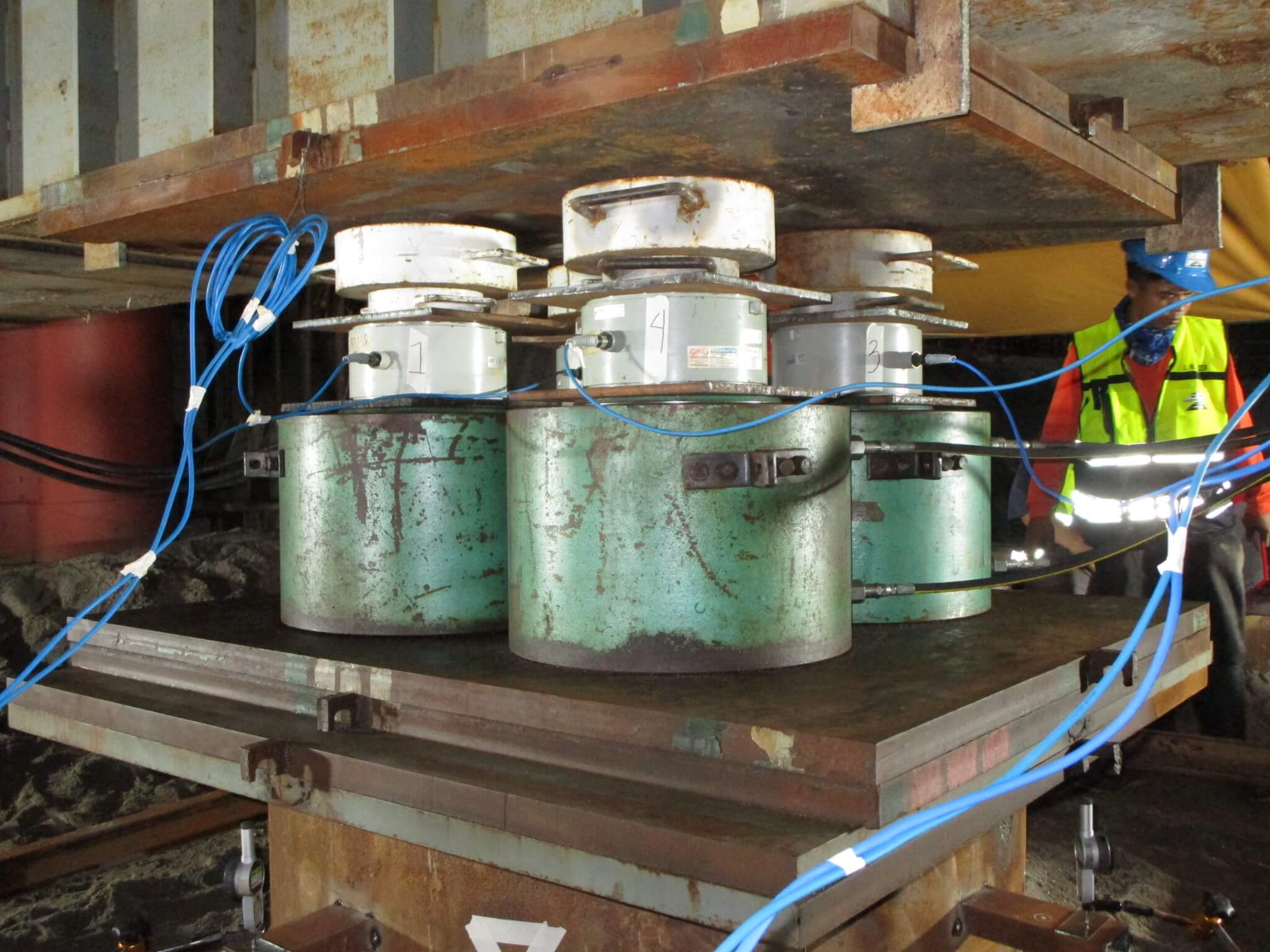
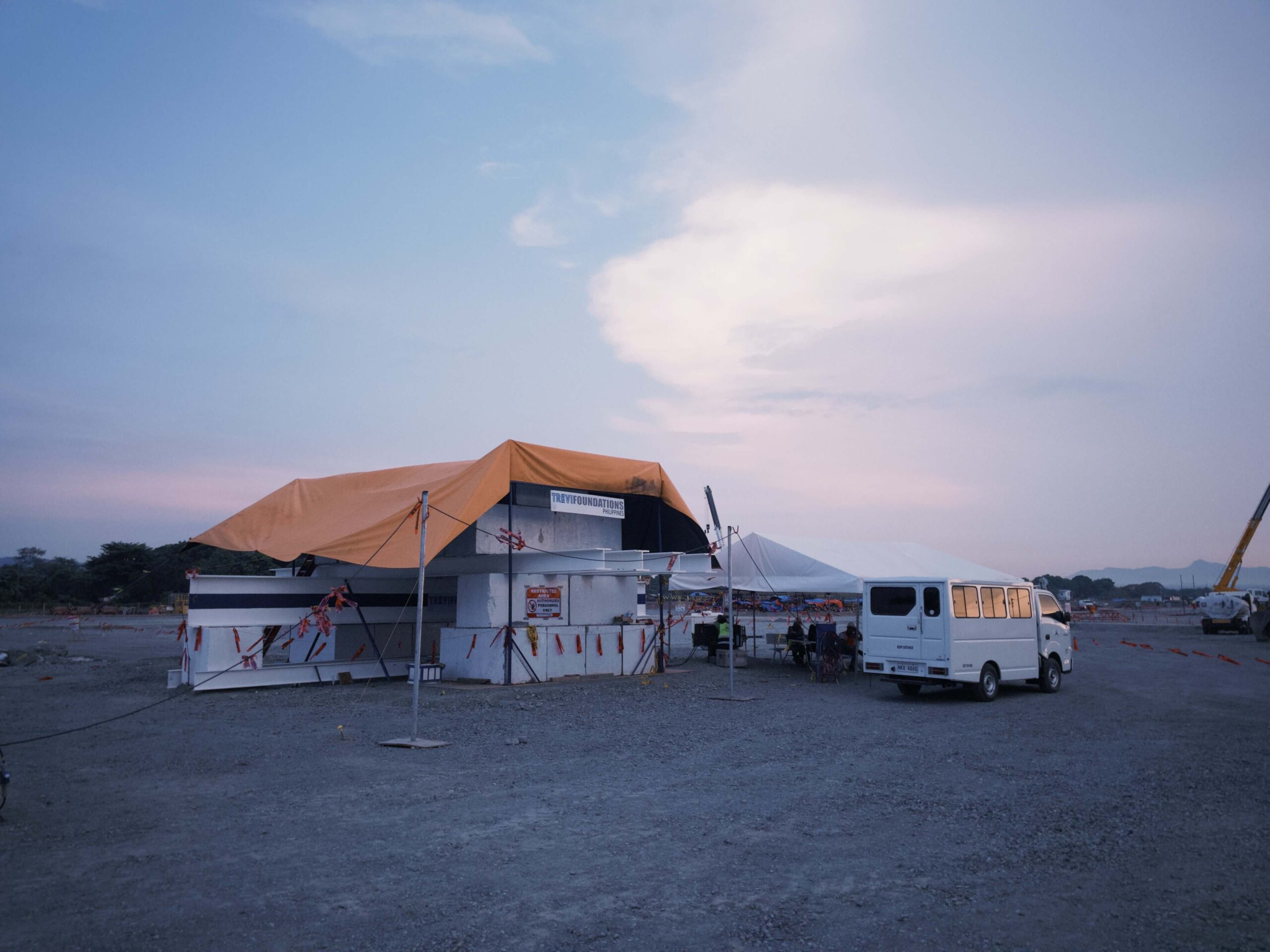
Static load testing for compression has ASTM 1143, lateral has ASTM 3966, and tension or pullout has ASTM 3689. The Static Load test, or SLT, is considered to be the gold standard for testing pile bearing capacity as it is a direct measurement.
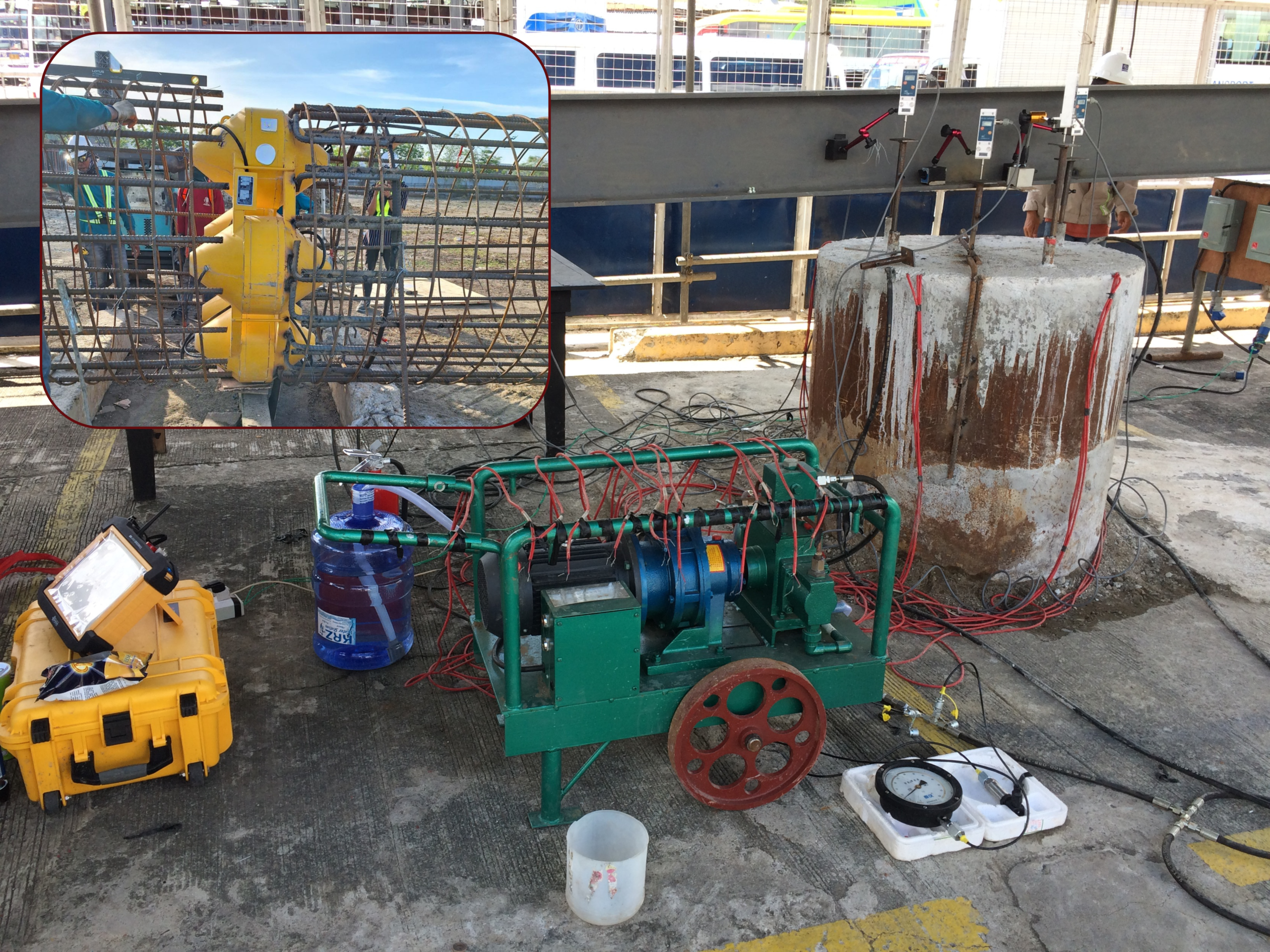
The static load testing through the Bi-Directional Test or BDT has an ASTM 8169. This is an alternative to the conventional Compression SLT when test loads are large or when space constraints are challenging.
Other ASTM standards may be applied depending on project requirements, material properties, and testing objectives. These documents support quality assurance by establishing recognized methods for equipment calibration, field procedures, and data interpretation.
Following ASTM standards benefits everyone involved in construction, from construction project owners and consultants to contractors and regulatory agencies. Standardized testing improves confidence in engineering decisions, facilitates communication among stakeholders, and promotes consistent evaluation of foundation performance.