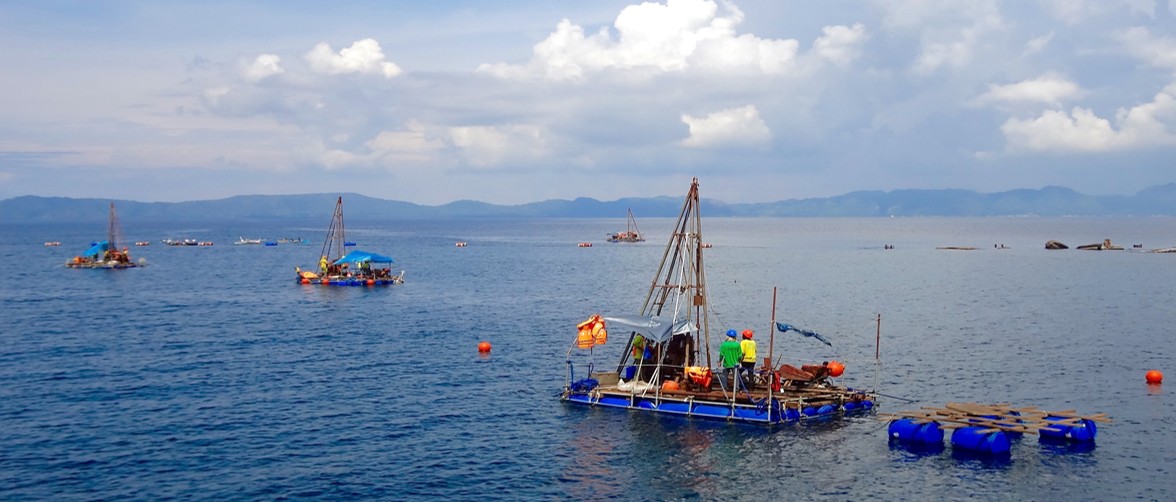
Construction projects near or over water present challenges that cannot be assessed through land-based investigations alone. For ports, piers, bridges, and other marine structures, offshore geotechnical investigation helps engineers understand the soil and rock beneath the seabed before foundation design and construction.
An offshore investigation may be required when a structure will be supported by foundations located in submerged ground
The appropriate scope depends on the proposed structure, site conditions, foundation requirements, and applicable design criteria.
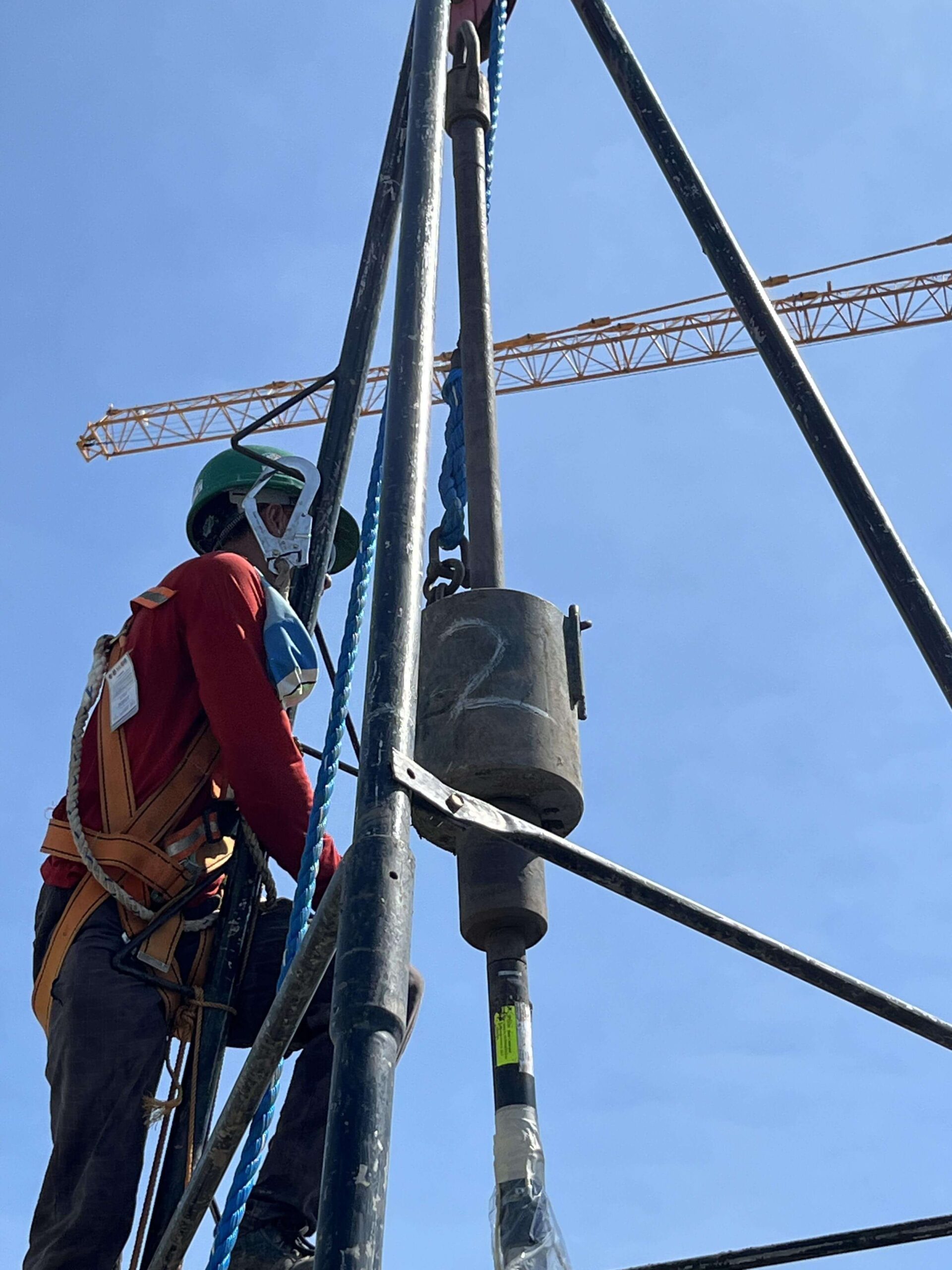
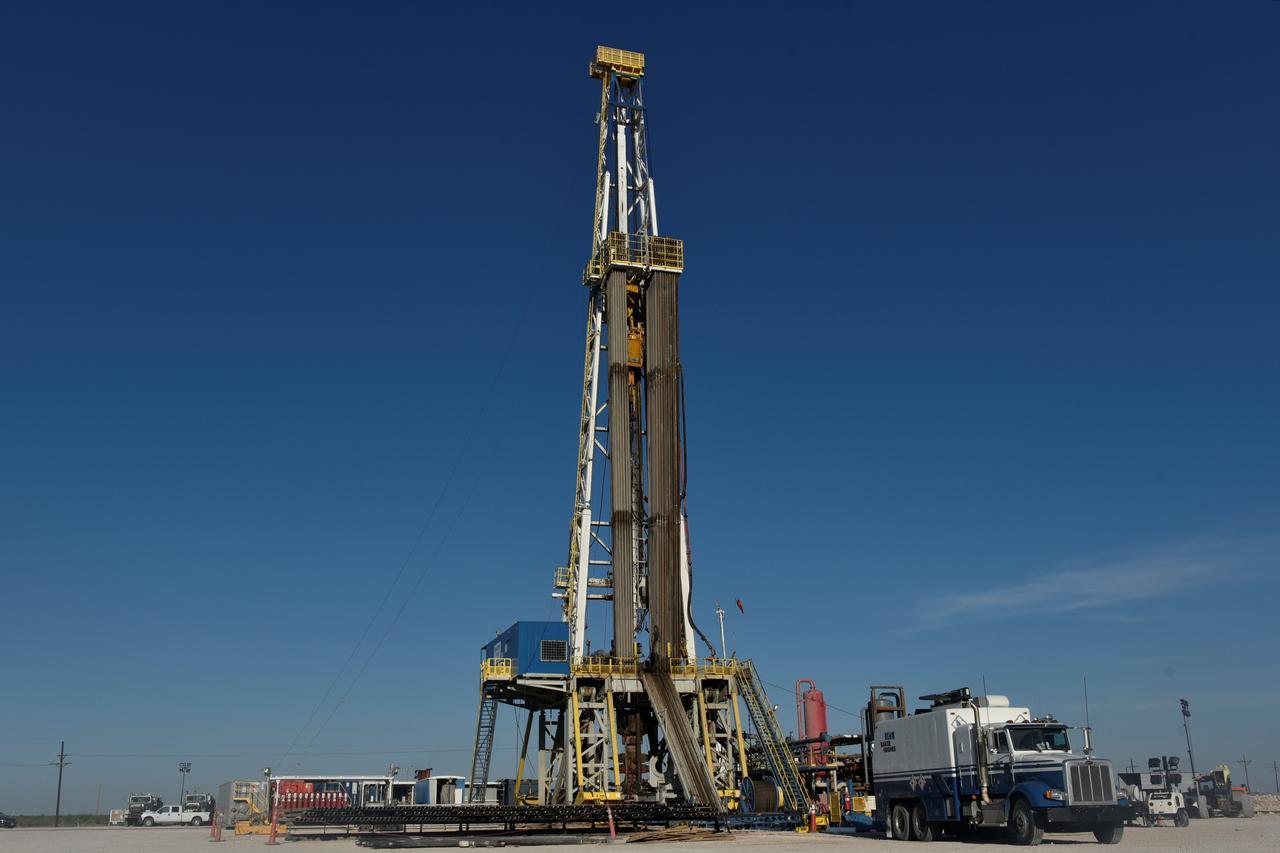
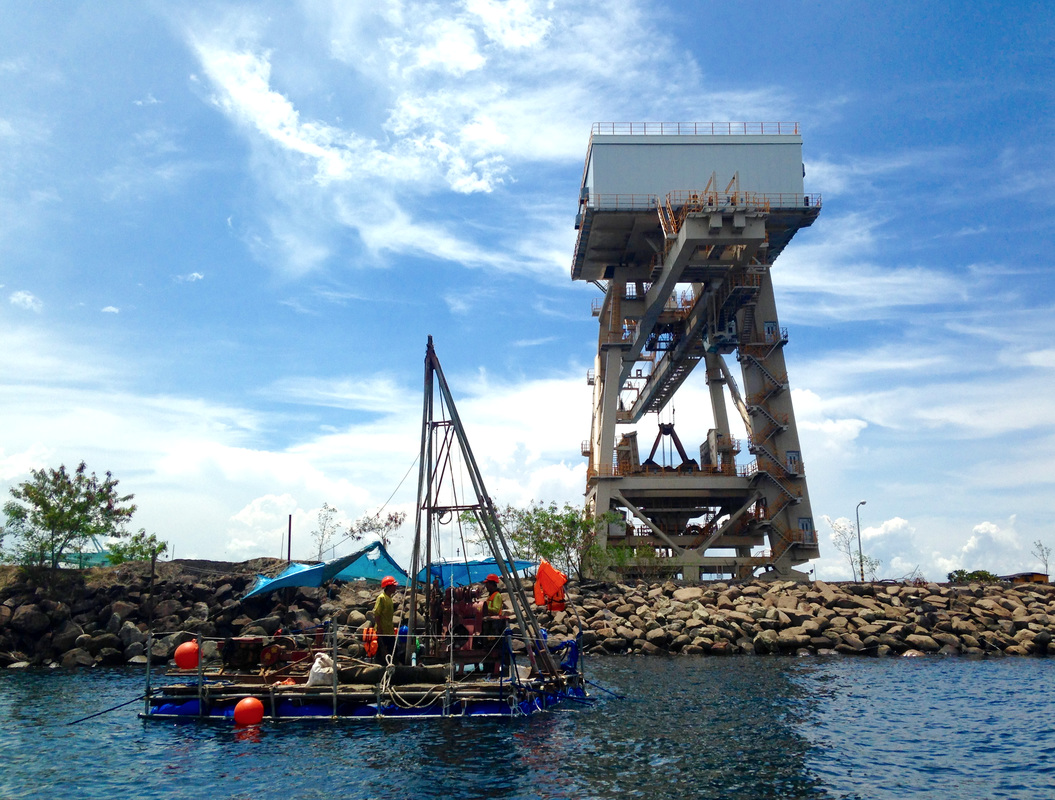
Depending on the project, the investigation may include offshore borehole drilling, soil sampling, and in-situ testing. Laboratory testing can provide additional information about the engineering properties of recovered samples. These findings help engineers characterize subsurface layers and evaluate conditions relevant to foundation design and construction planning. Offshore investigations also require appropriate equipment and logistical planning to account for water depth, marine access, and site constraints.
The ground beneath a marine structure may vary across a relatively short distance. Identifying these differences help engineers assess the information needed for foundation decisions rather than relying on assumptions about the seabed.
AGES features the MICT Berth 8 project, a port expansion involving marine infrastructure. The project provides a relevant example of the type of development where foundation performance and ground conditions are important considerations. The project page should be consulted for its documented scope of work.
AGES offers geotechnical investigation services with onshore and offshore drilling capacities.