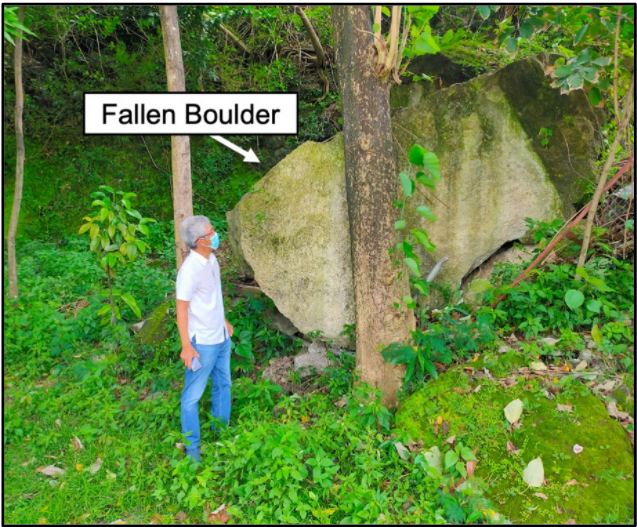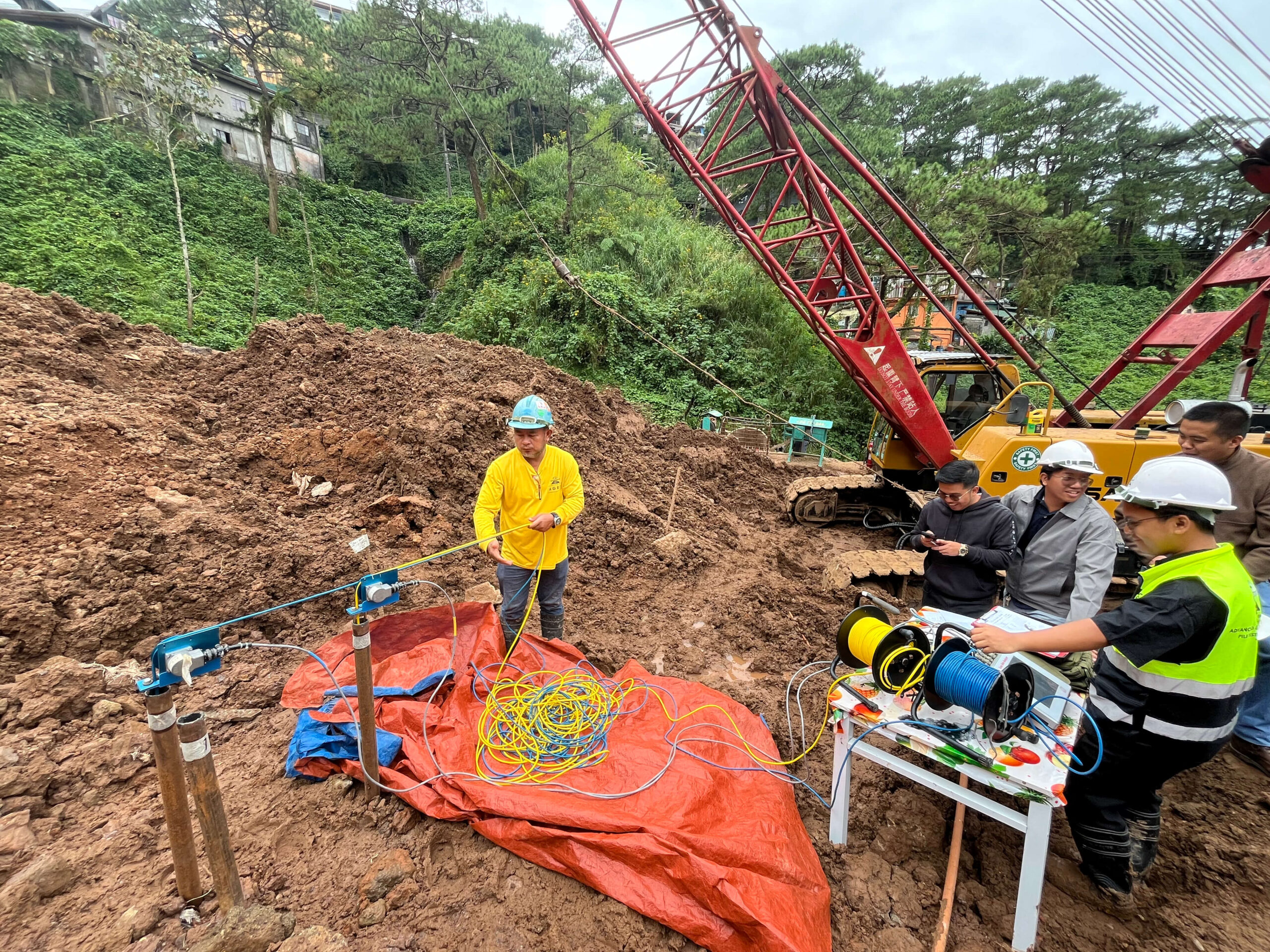
Not every construction site offers ideal ground conditions. When surface soils cannot safely support the weight of a structure, engineers turn to deep foundation systems to provide the stability required for long-term performance.
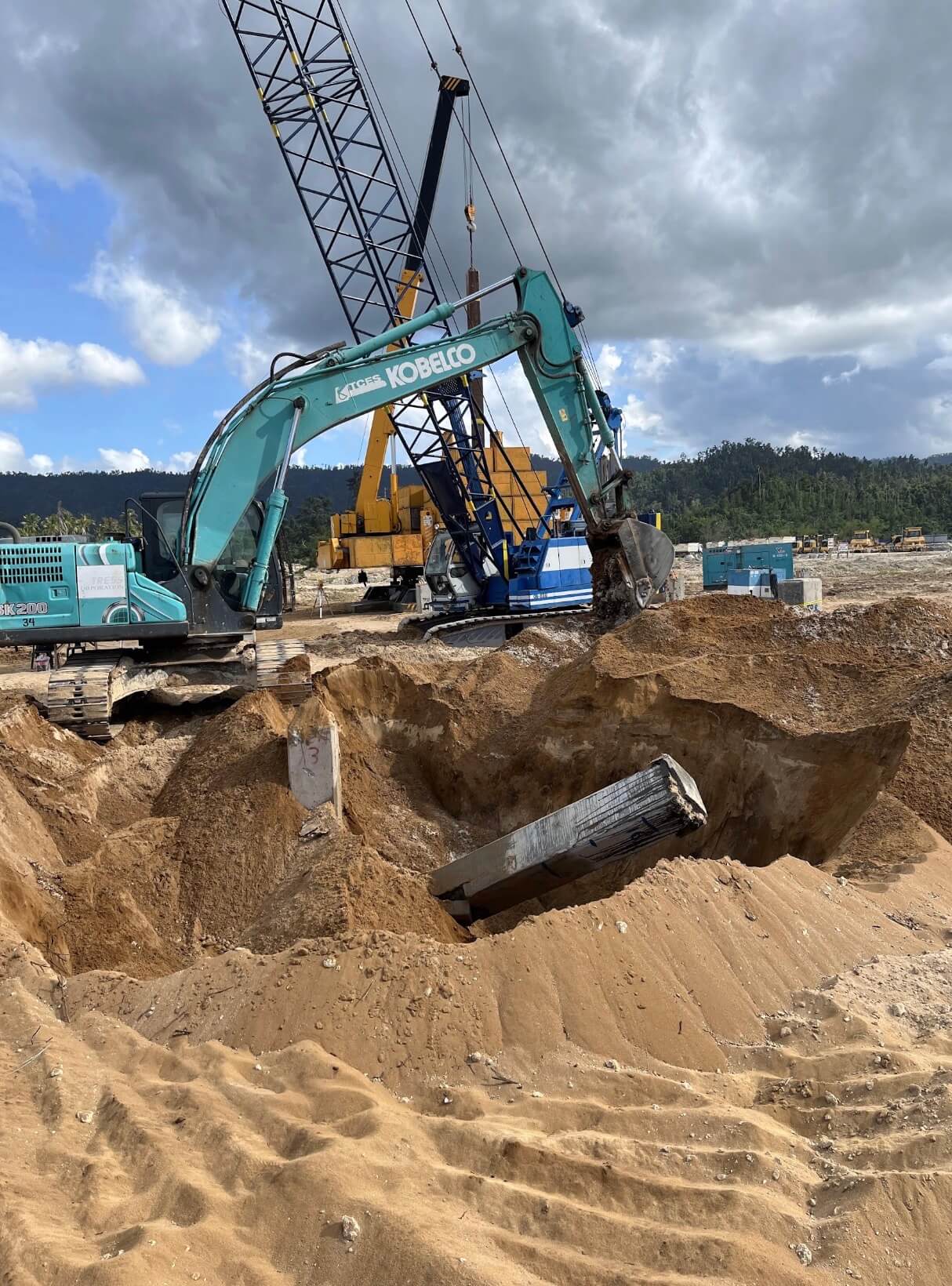
Unlike shallow foundations, which distribute loads near the ground surface, deep foundations transfer structural loads to stronger soil or rock located at greater depths. This approach minimizes settlement and improves the ability of buildings and infrastructure to withstand demanding site conditions.
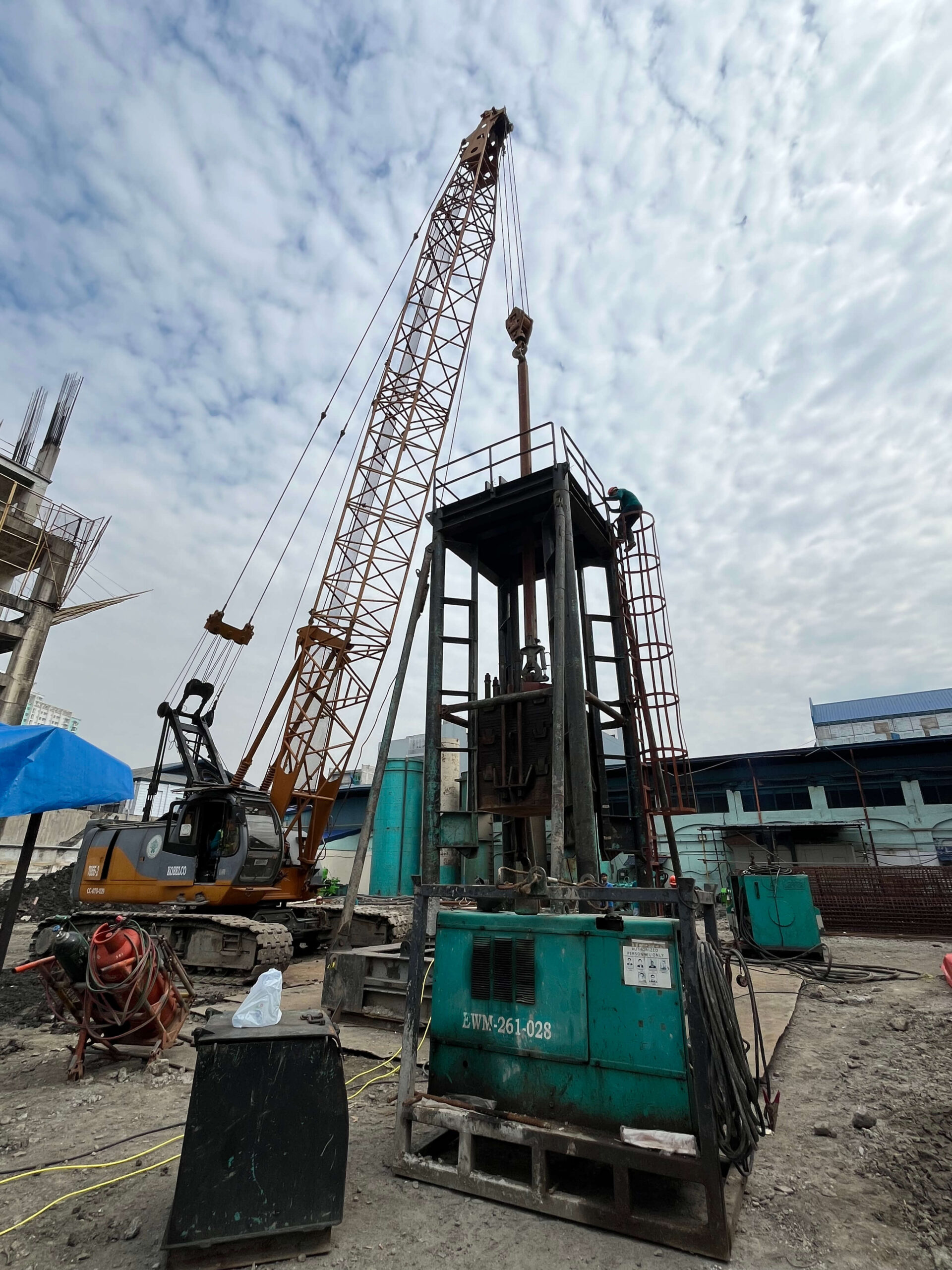
Among the most common types of deep foundations are driven piles, bored piles or drilled shafts. The selection of a suitable system depends on several factors, including soil characteristics, groundwater conditions, structural loads, and project requirements.
Deep foundation systems are widely used in high-rise buildings, bridges, ports, industrial facilities, and large commercial developments. They are particularly valuable in areas with soft or compressible soils where shallow foundations may not provide adequate support.
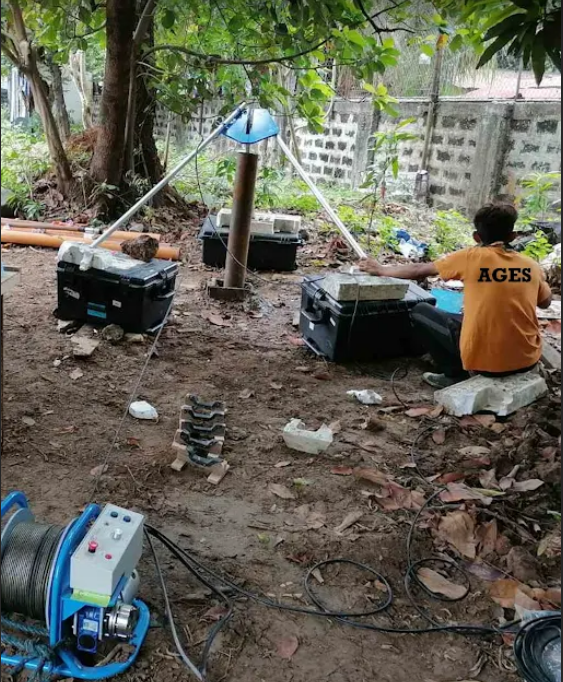
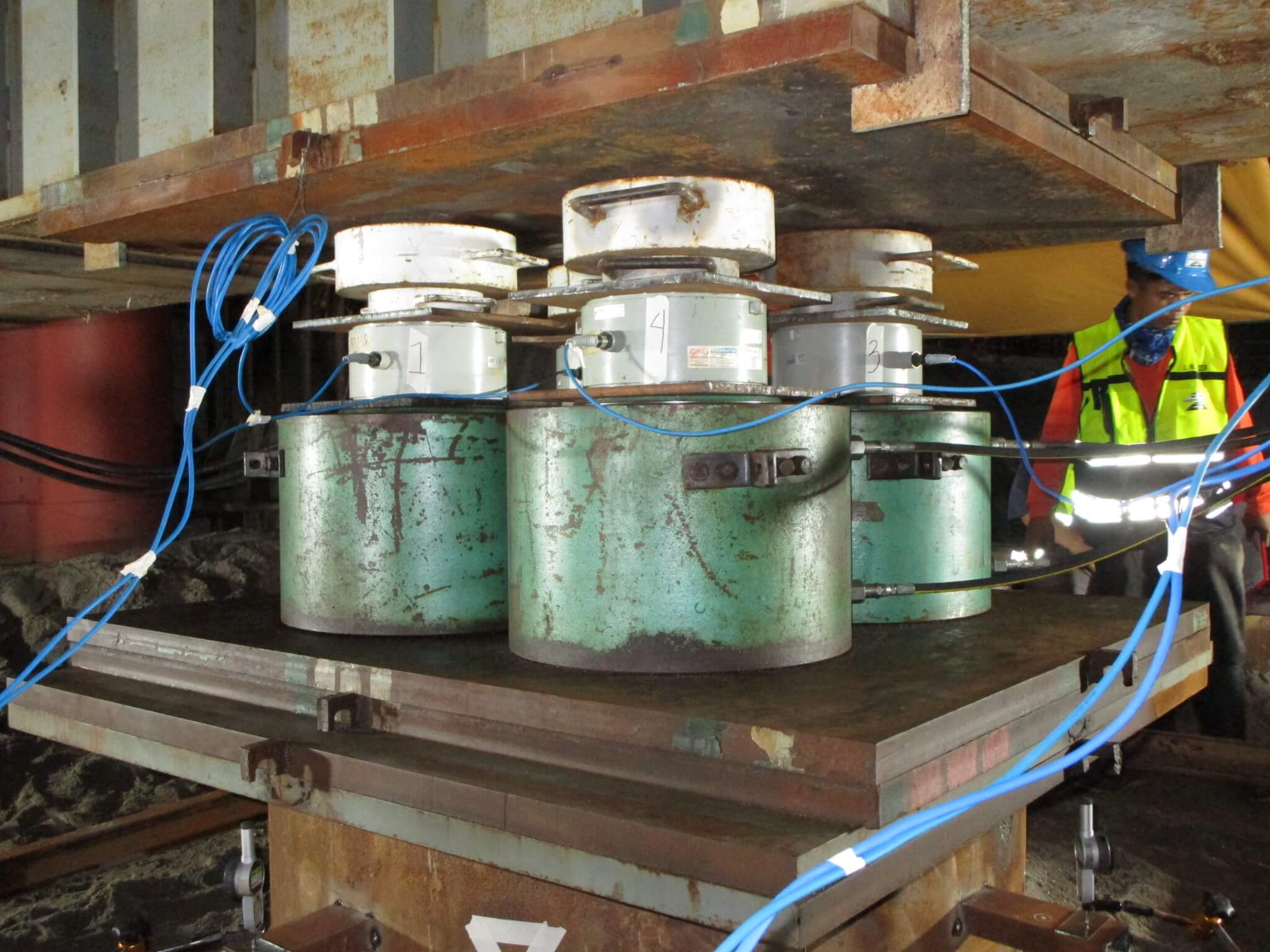
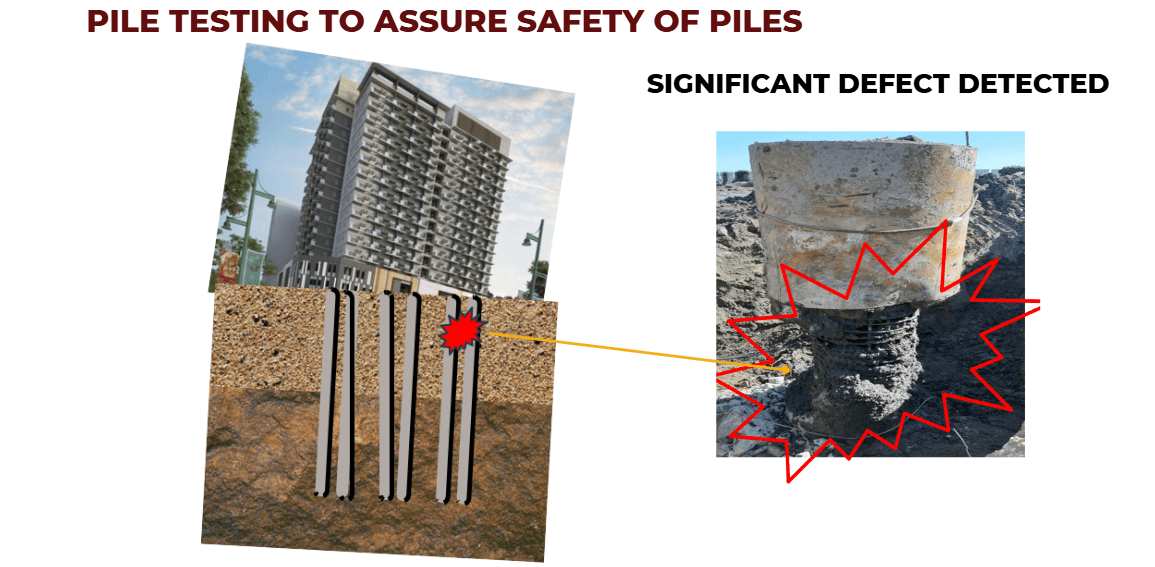
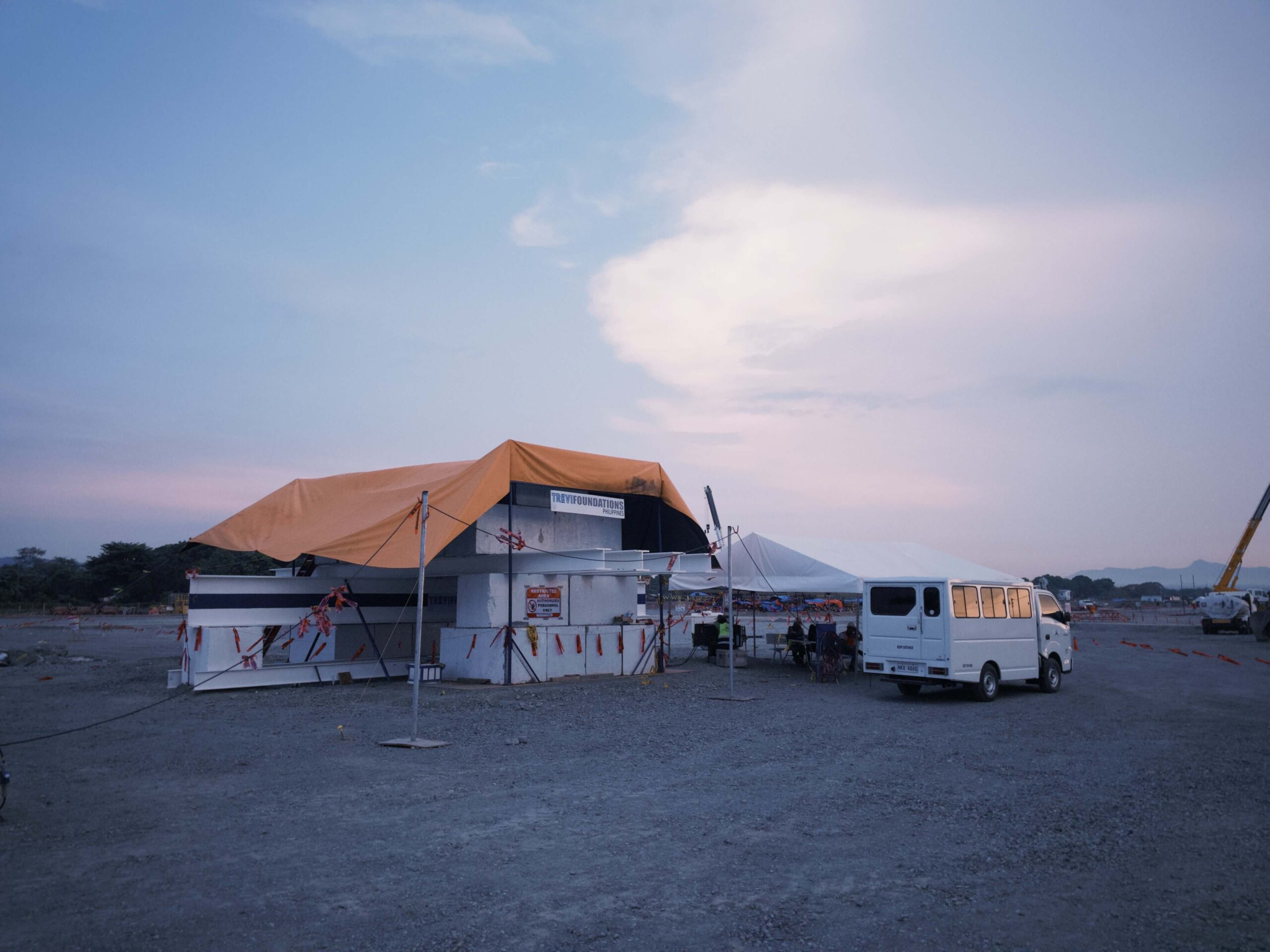
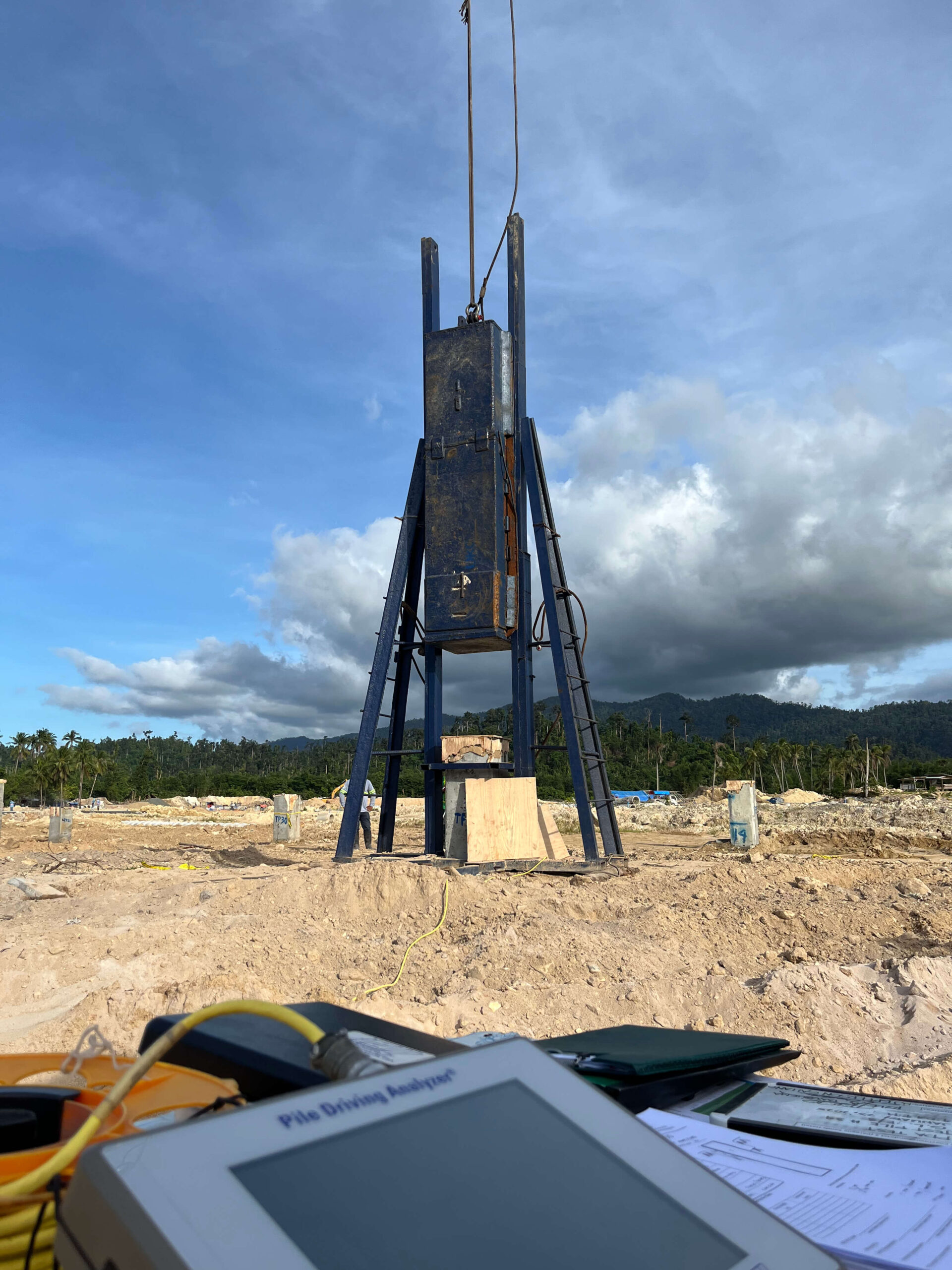
To verify that these foundation elements perform as intended, engineers often conduct pile testing throughout the construction process. Methods such as Pile Dynamic Analysis (PDA), Static Load Testing (SLT), and Pile Integrity Testing (PIT) provide valuable information regarding load capacity, structural condition, and installation quality.
A successful deep foundation system begins with proper planning. Through geotechnical investigation, engineering analysis, and foundation testing, project teams can develop solutions that balance safety, efficiency, and long-term structural reliability.
As modern construction projects continue to increase in complexity, deep foundation systems remain an essential component of safe and resilient infrastructure.