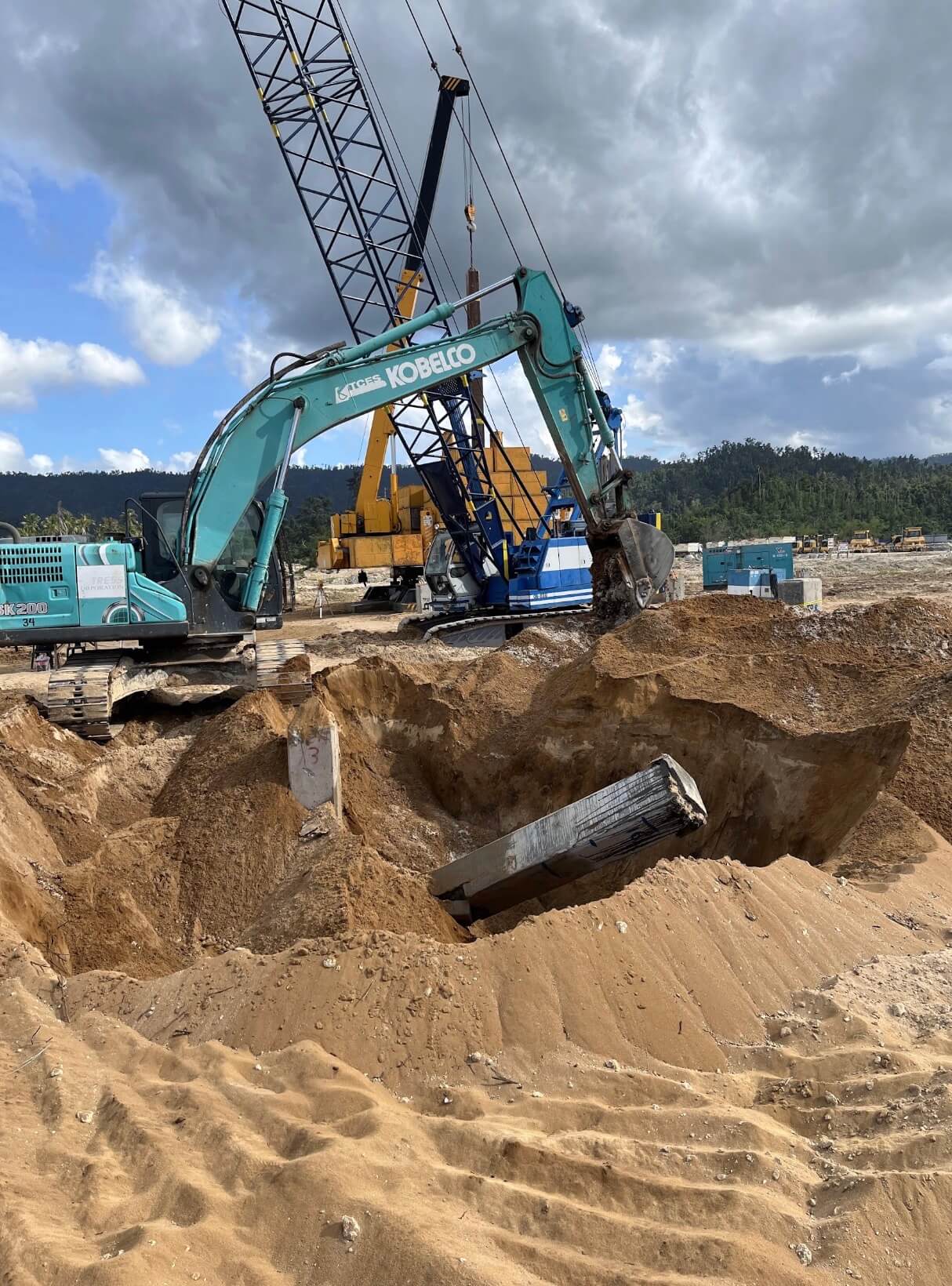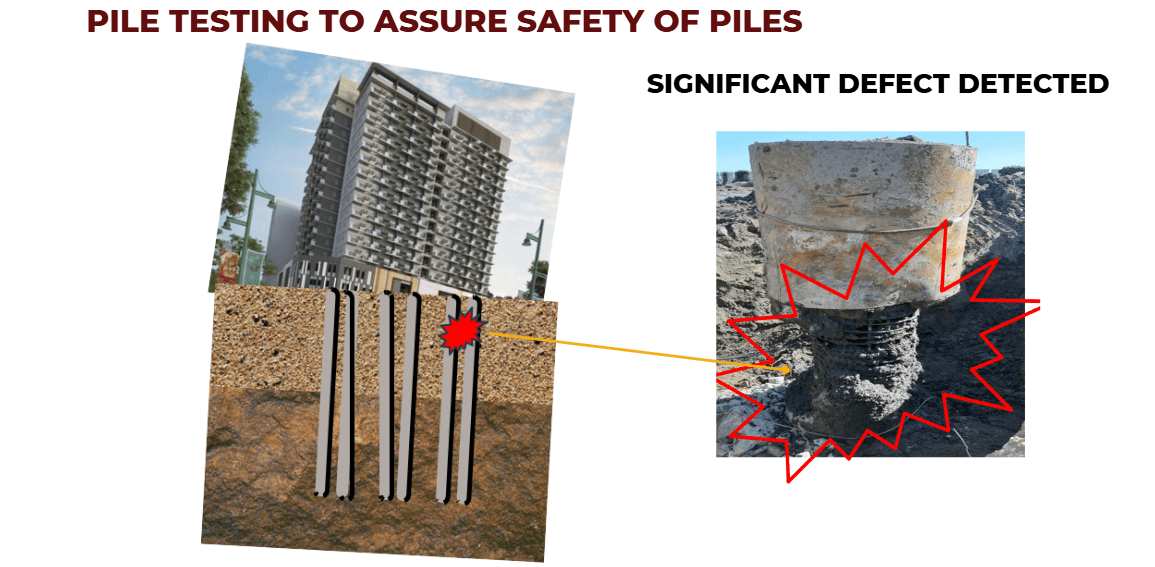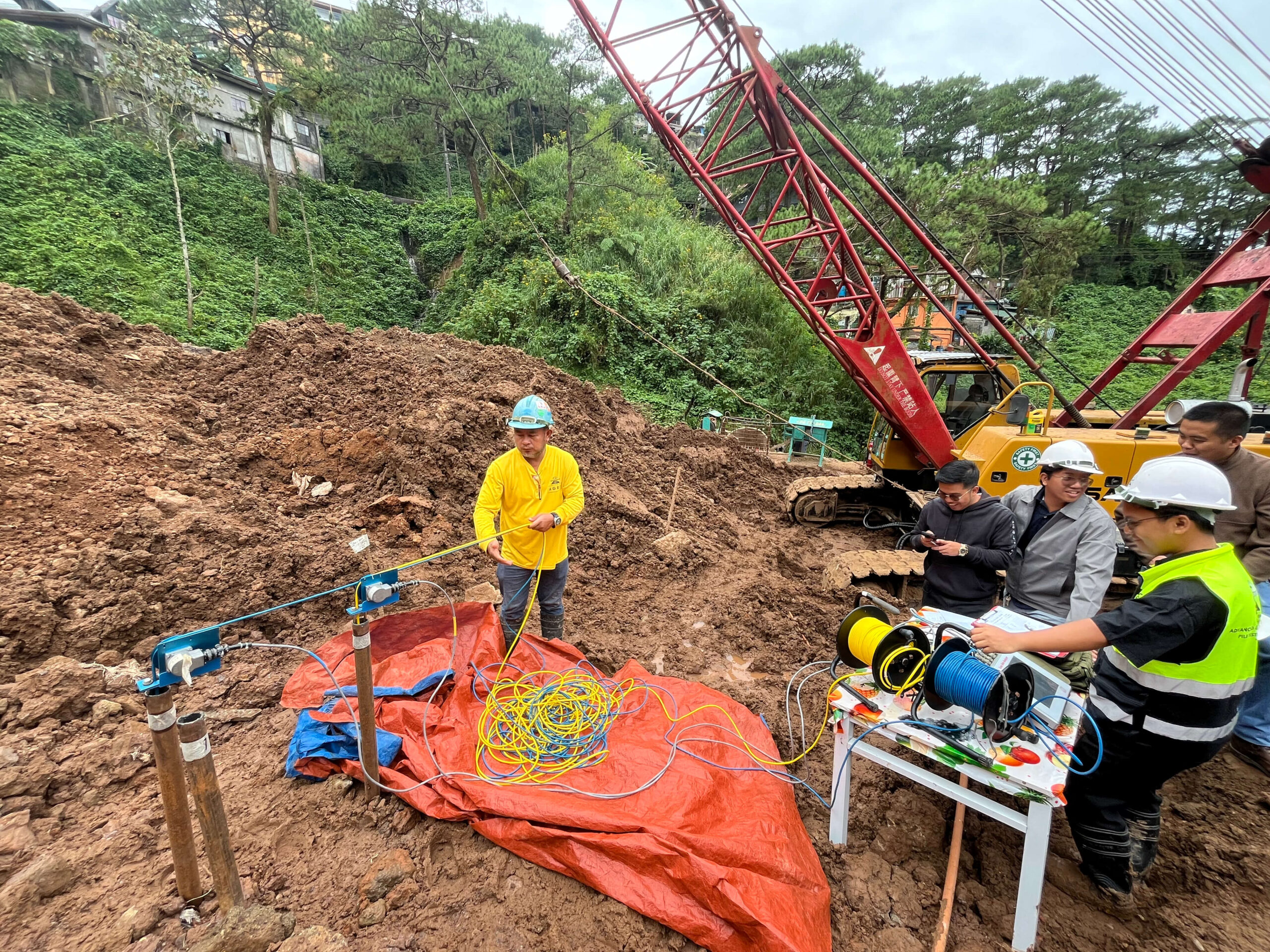
Foundation issues are often hidden beneath the surface, making early evaluation essential for successful construction projects. Foundation testing helps engineers assess site conditions, verify structural performance, and identify potential risks before they become costly problems.
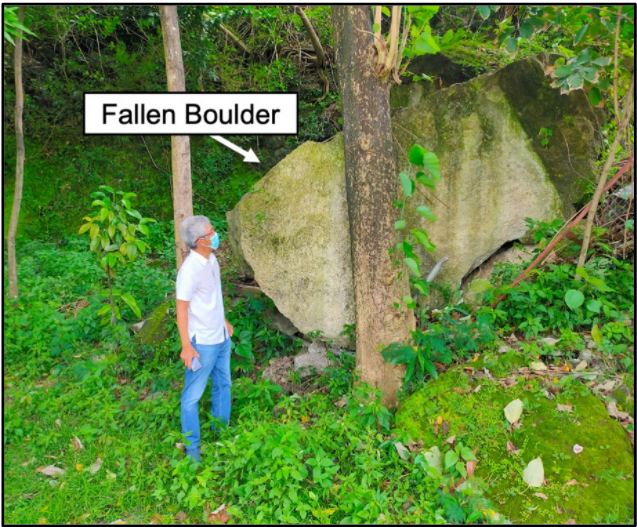
One common indicator is challenging soil conditions. Sites with soft soils, reclaimed land, high groundwater levels, or significant soil variability often require additional or rigorous foundations testing to confirm suitability, especially when deeper foundations are used such as piles.
Large or heavily loaded structures may also benefit from foundation testing when using piles. High-rise buildings, bridges, ports, industrial facilities, and major infrastructure projects place significant demands on their foundations, making foundation performance verification particularly important.
Projects involving unfamiliar site conditions should also be carefully evaluated. If limited geotechnical data is available, early pile testing with test piles can provide valuable information to support engineering decisions and reduce uncertainty.
Another sign is the presence of strict regulatory or project specifications. Many, if not all local, developments require pile testing or foundation verification as part of quality assurance and compliance procedures.
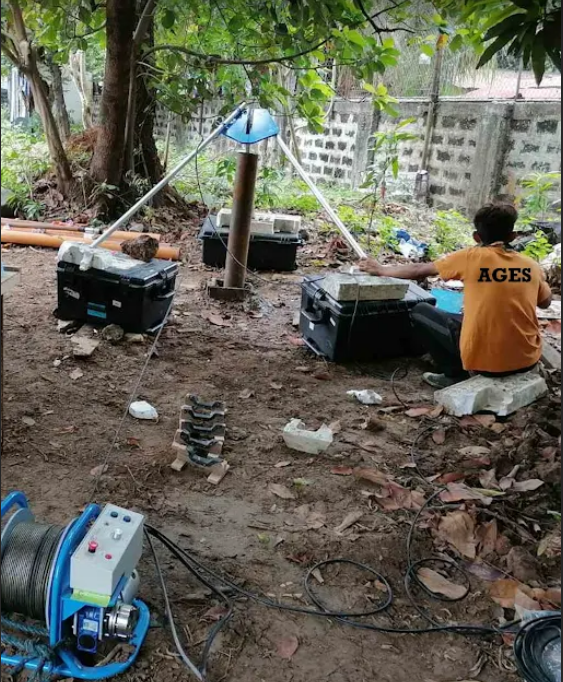
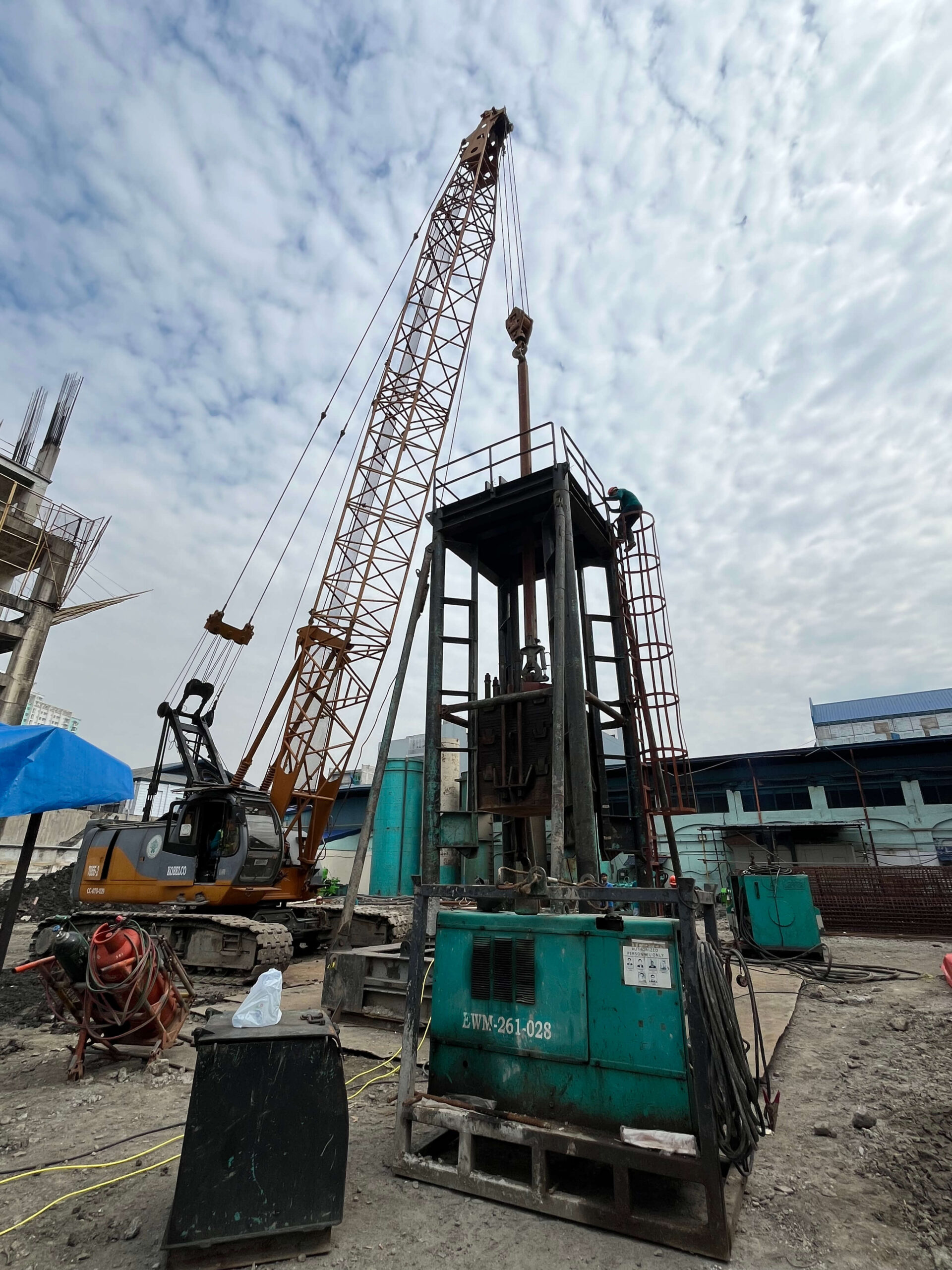
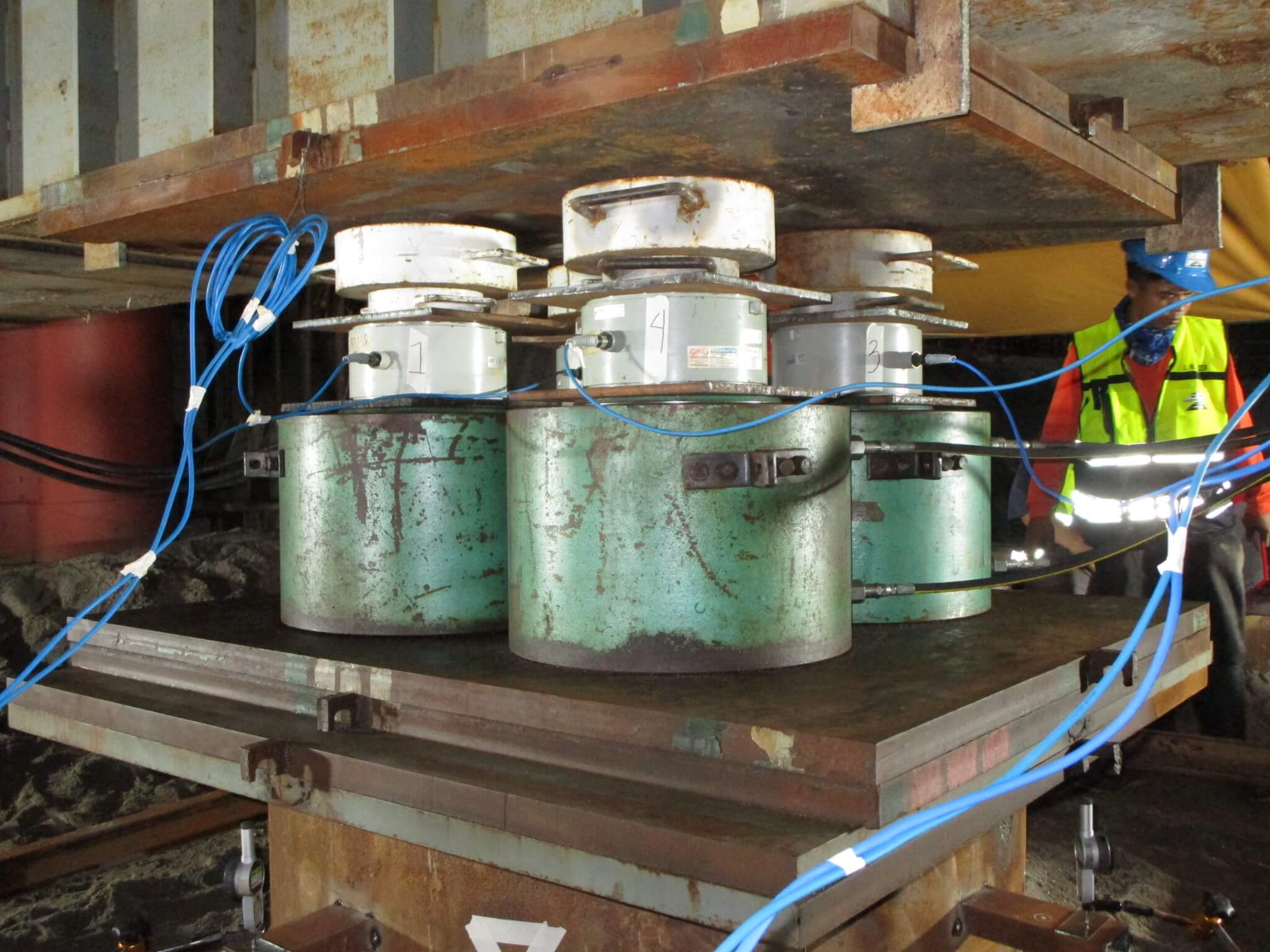
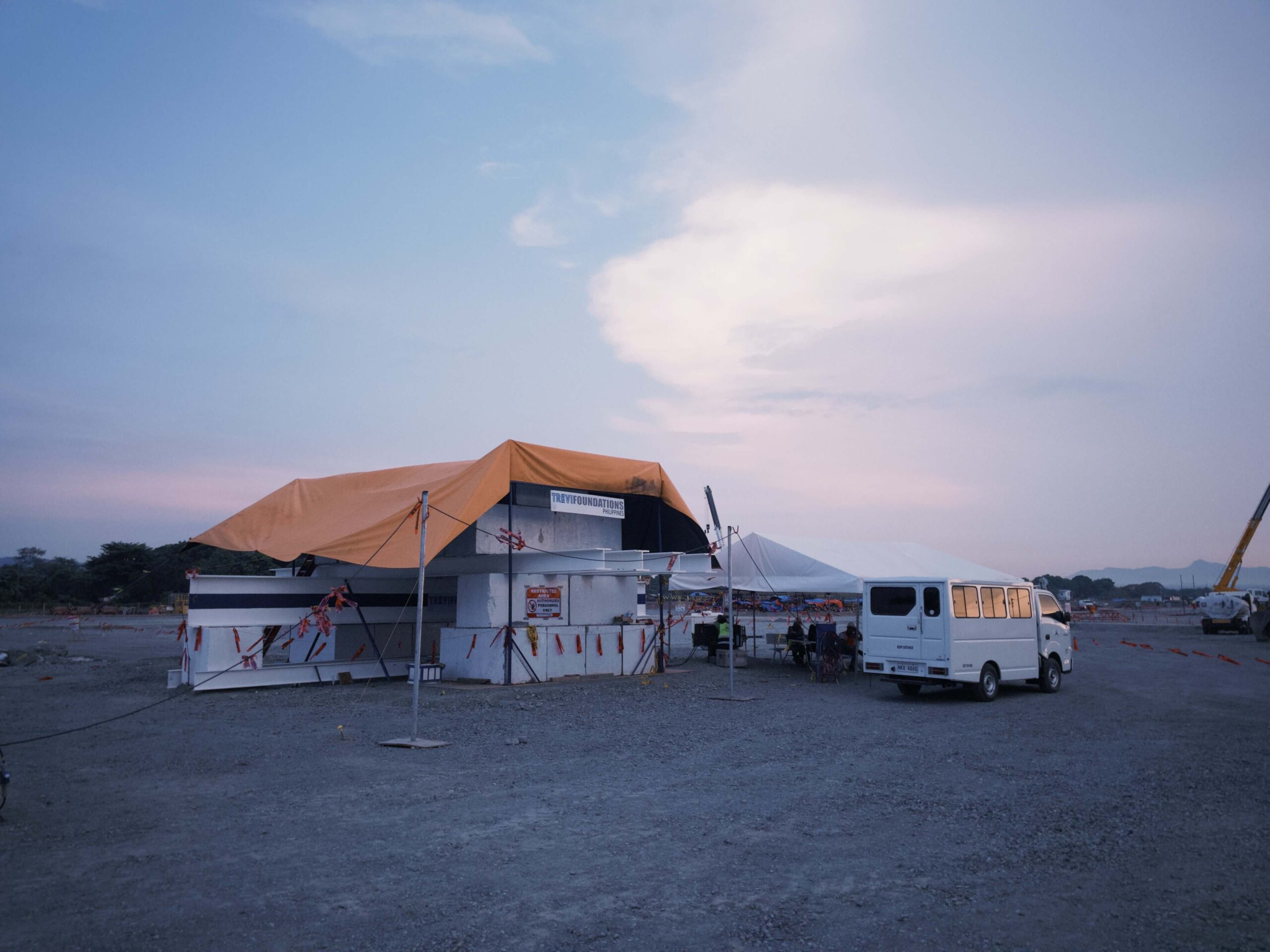
Finally, foundation testing is often recommended when project stakeholders want greater confidence in long-term performance and value engineering as well to potentially optimize the design and unlock time and cost savings. Methods such as dynamic pile testing (PDA), pile integrity testing (PIT), static load testing (SLT), and crosshole sonic logging (CSL) can provide critical insights into foundation behavior and construction quality.
By identifying risks early and validating design assumptions, foundation testing helps improve safety, optimize construction processes, and support successful project outcomes. For many projects it can prevent significant issues in the future.