Before a foundation can support a building, bridge, or major infrastructure project, engineers must confirm that it can safely carry the loads for which it was designed. One of the most trusted methods for verifying this is static load testing (SLT). Static load testing for compression has ASTM 1143, lateral has ASTM 3966, and tension or pullout has ASTM 3689.
Static load testing is a field procedure used to evaluate the load-bearing capacity and settlement behavior of foundation piles. Often regarded as the industry benchmark for pile capacity verification, the test provides direct measurements of how a pile responds when subjected to controlled loading conditions.
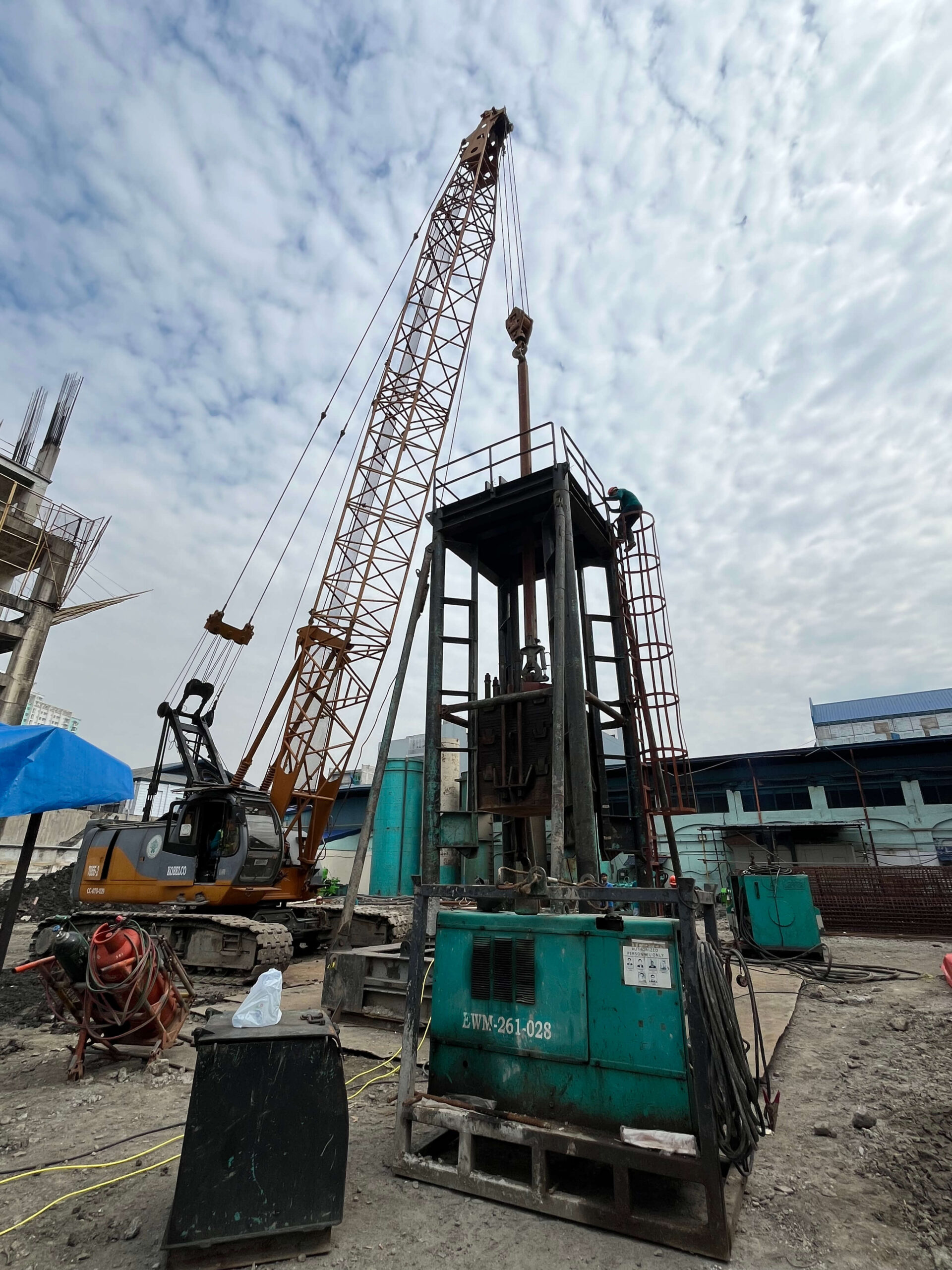
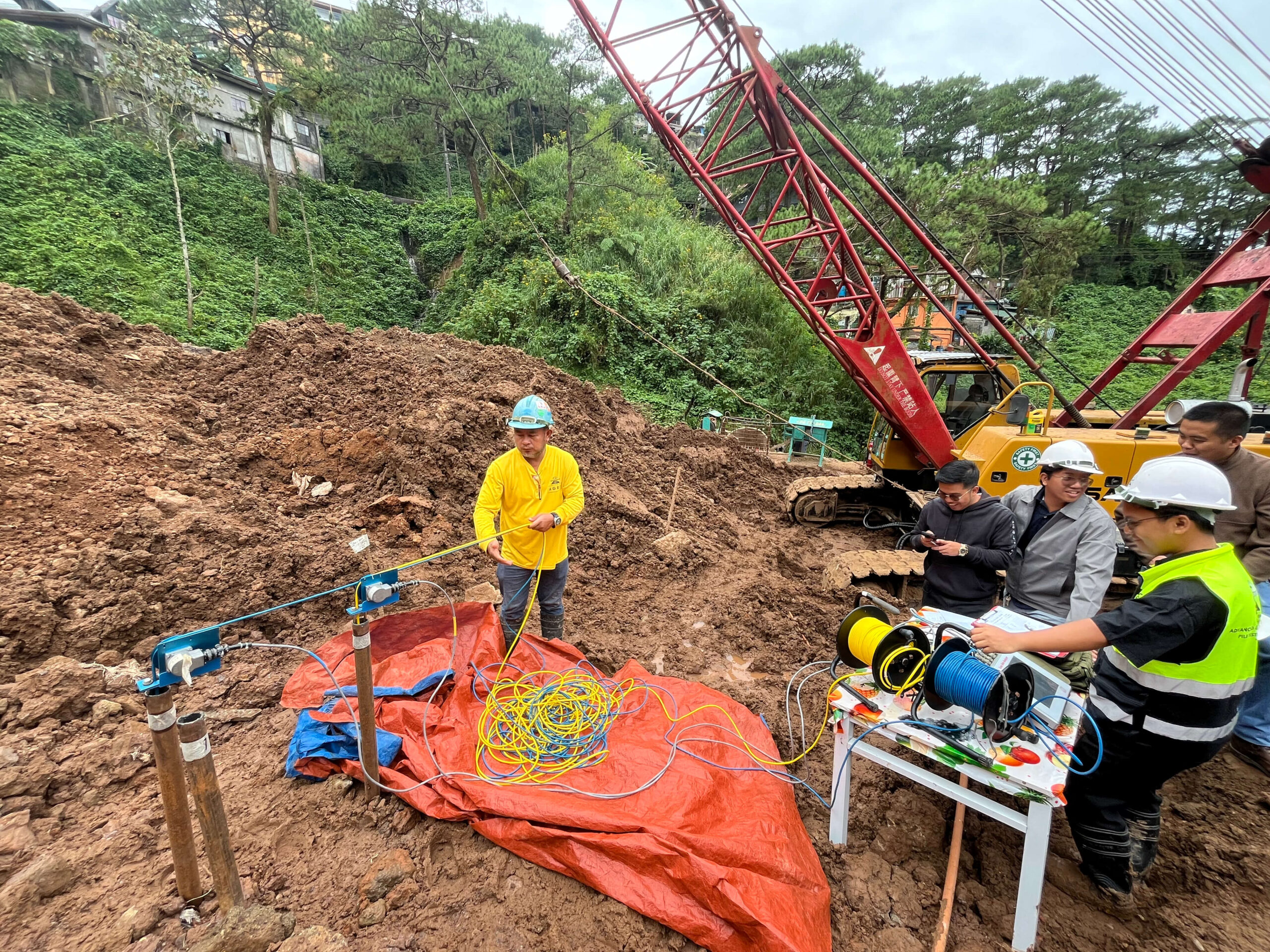
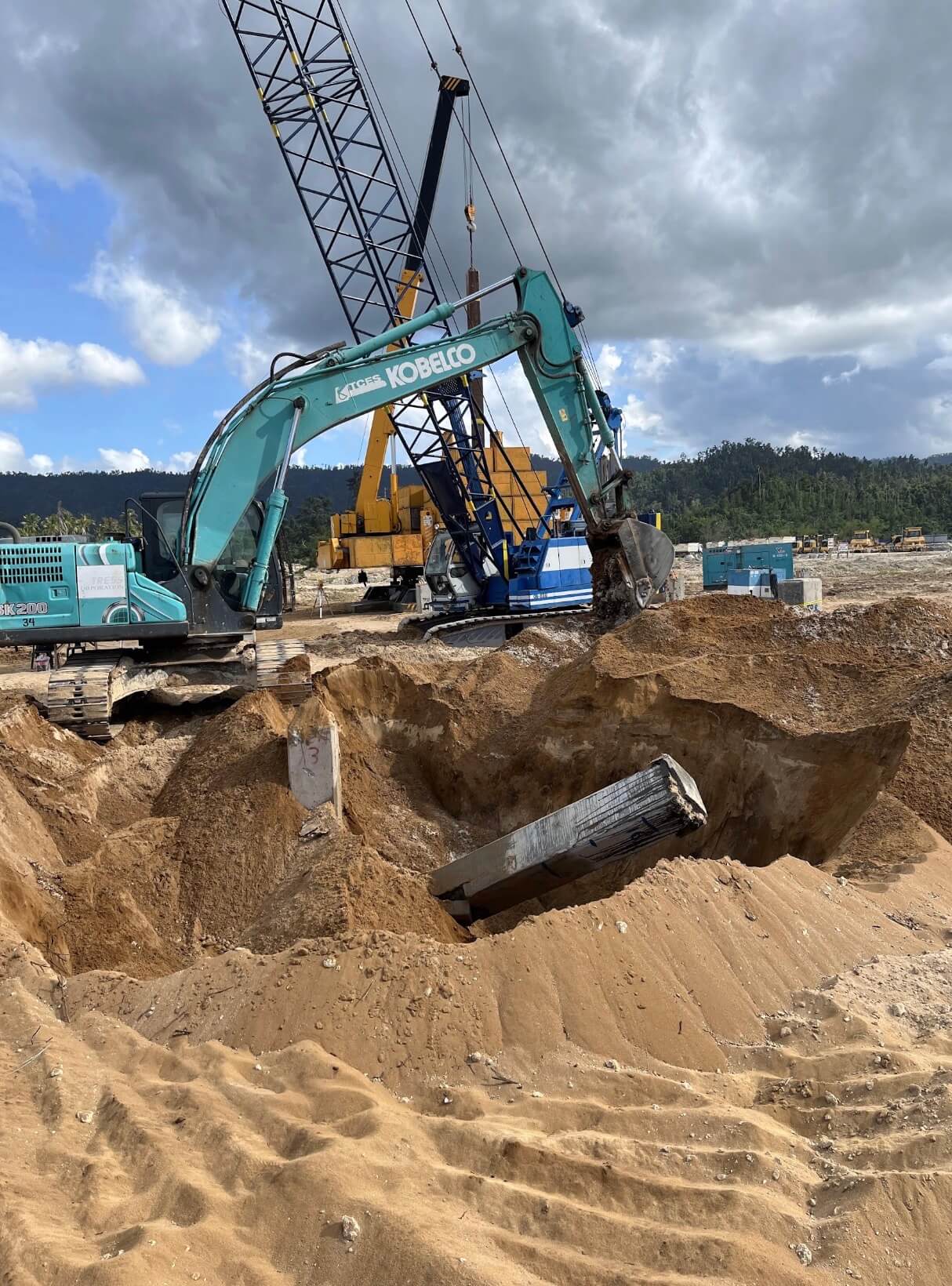
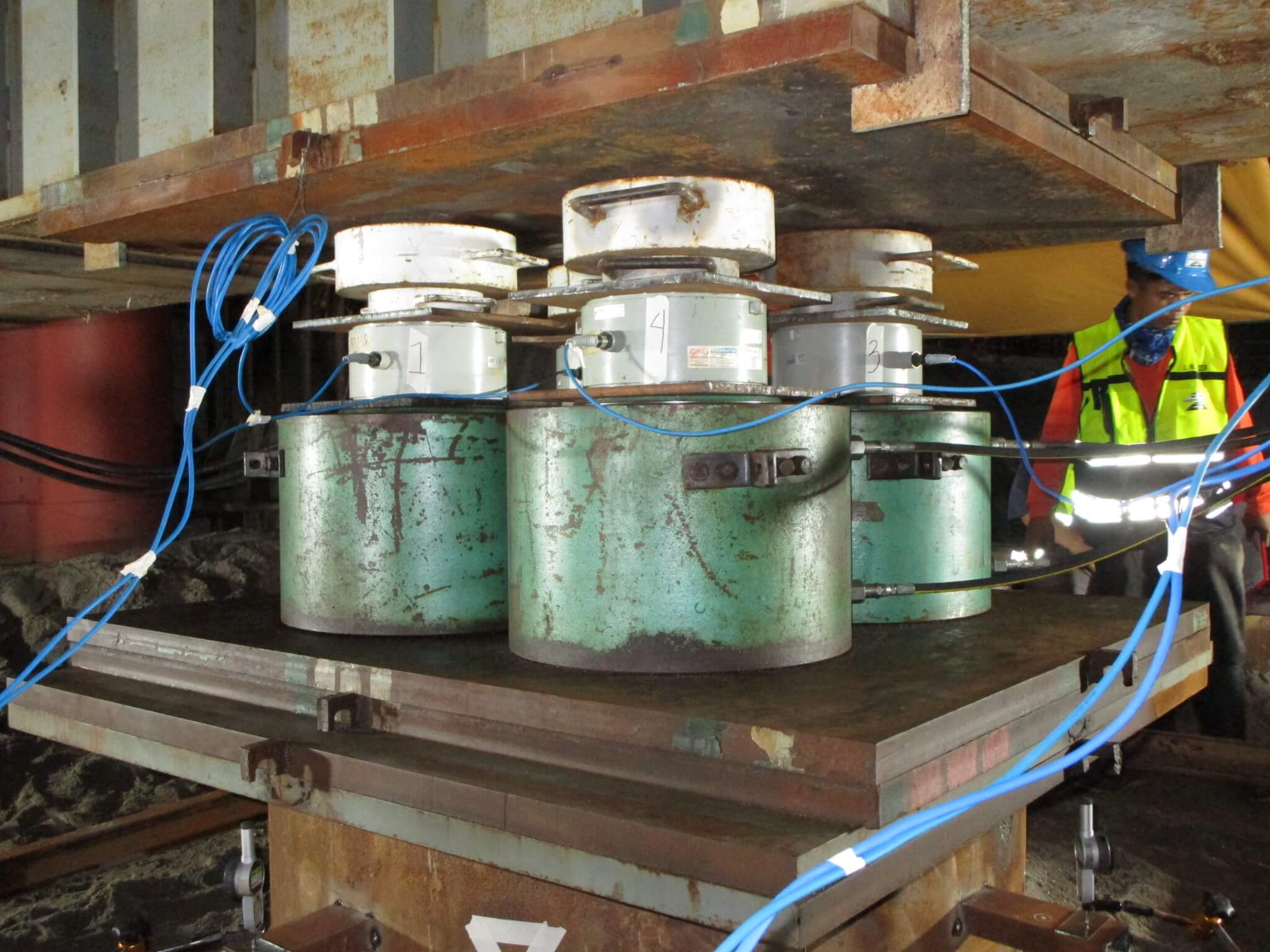
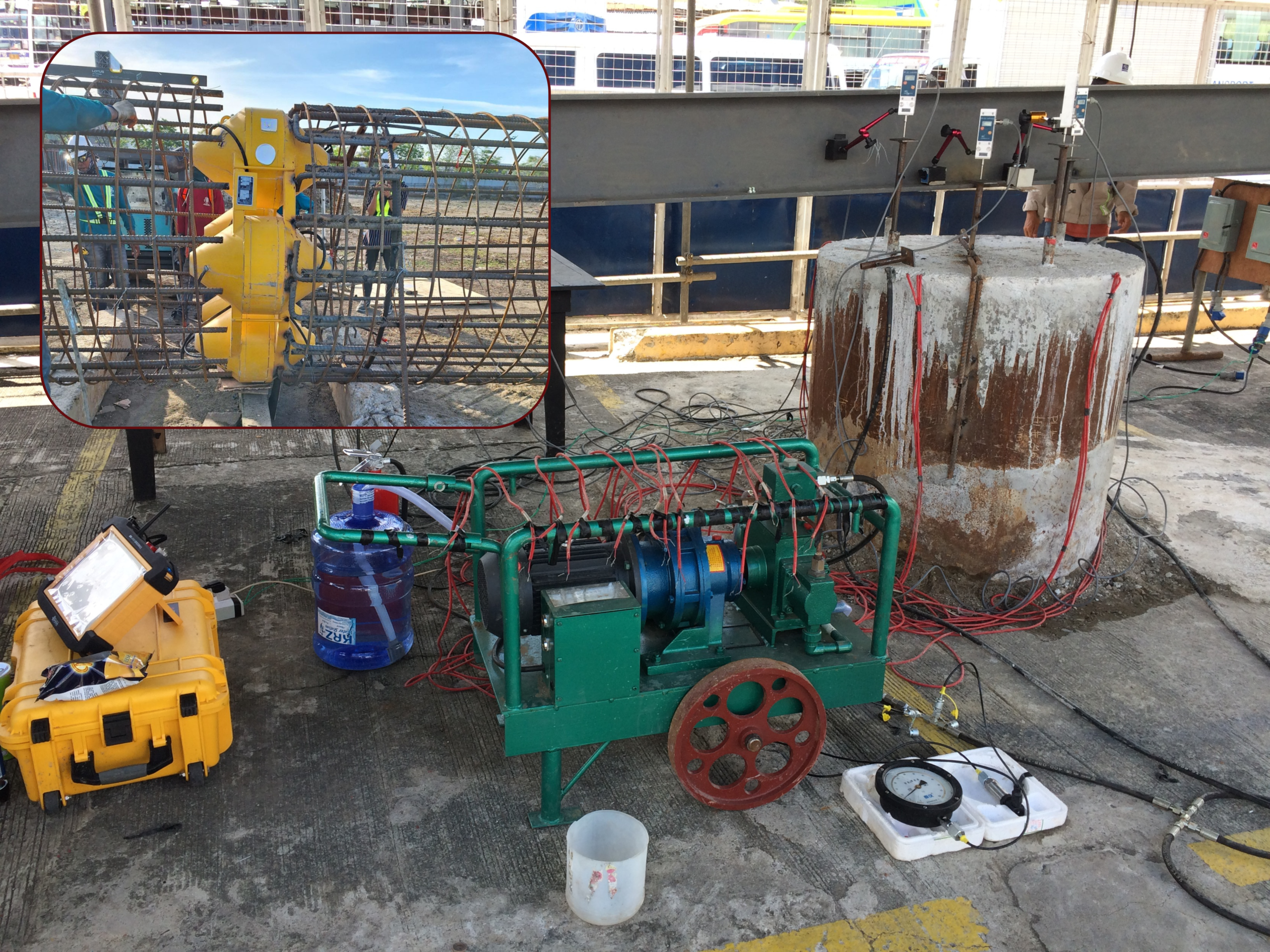
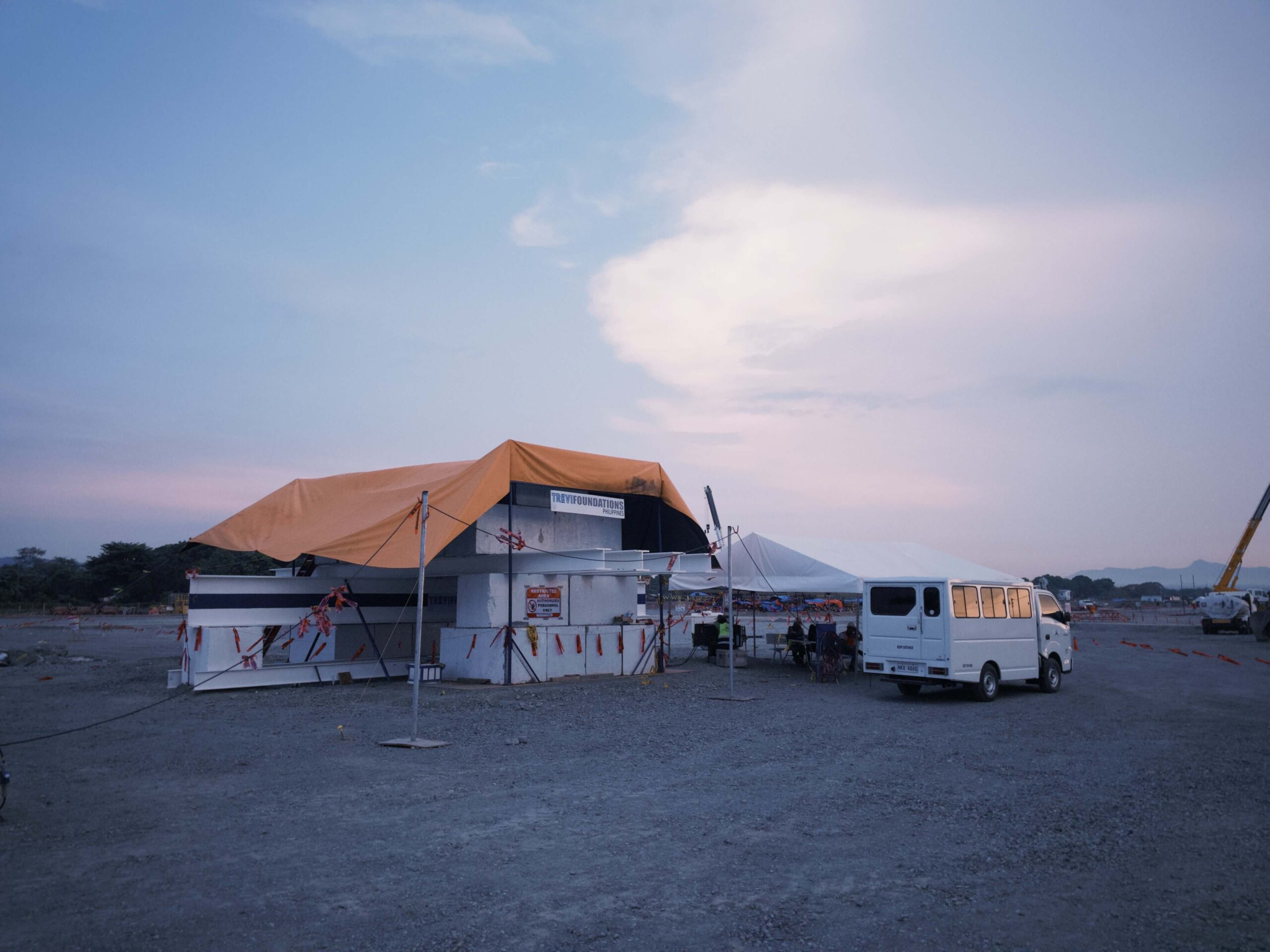
The process begins with the installation of a test pile and a reaction system capable of resisting the applied load. Hydraulic jacks gradually apply force to the pile in predetermined increments while precision instruments monitor movement and settlement. At each loading stage, engineers record displacement data to evaluate how the foundation performs under increasing loads.
Once testing is complete, the collected data is analyzed to determine whether the pile satisfies the project’s design requirements. The results also provide valuable information that can be used to validate design assumptions and optimize future foundation work.
SLT is commonly performed on high-rise buildings, bridges, ports, industrial facilities, and other projects where foundation performance is critical. It is particularly beneficial for developments with challenging soil conditions or stringent engineering specifications.
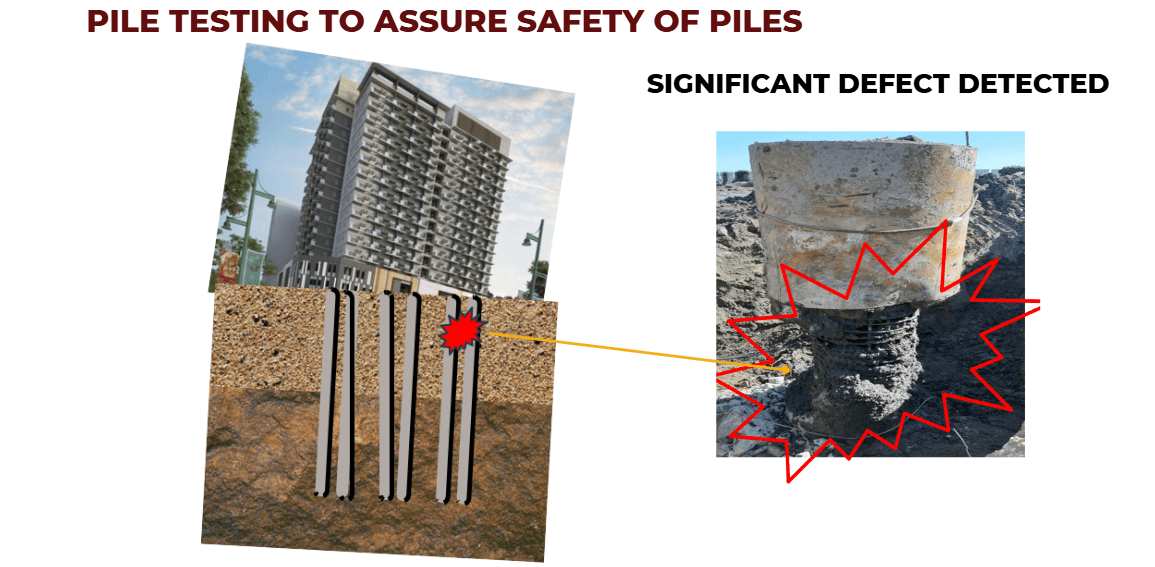
Although the procedure requires more preparation than some other pile testing methods, its ability to directly measure pile behavior makes it one of the most reliable forms of foundation testing available. In many projects, SLT is complemented by PDA and PIT to provide a comprehensive assessment of foundation performance.
By verifying pile capacity before construction progresses, SLT helps engineers reduce uncertainty, improve safety, and build with greater confidence.